Chiropractors on Inversion Tables: Benefits and Risks
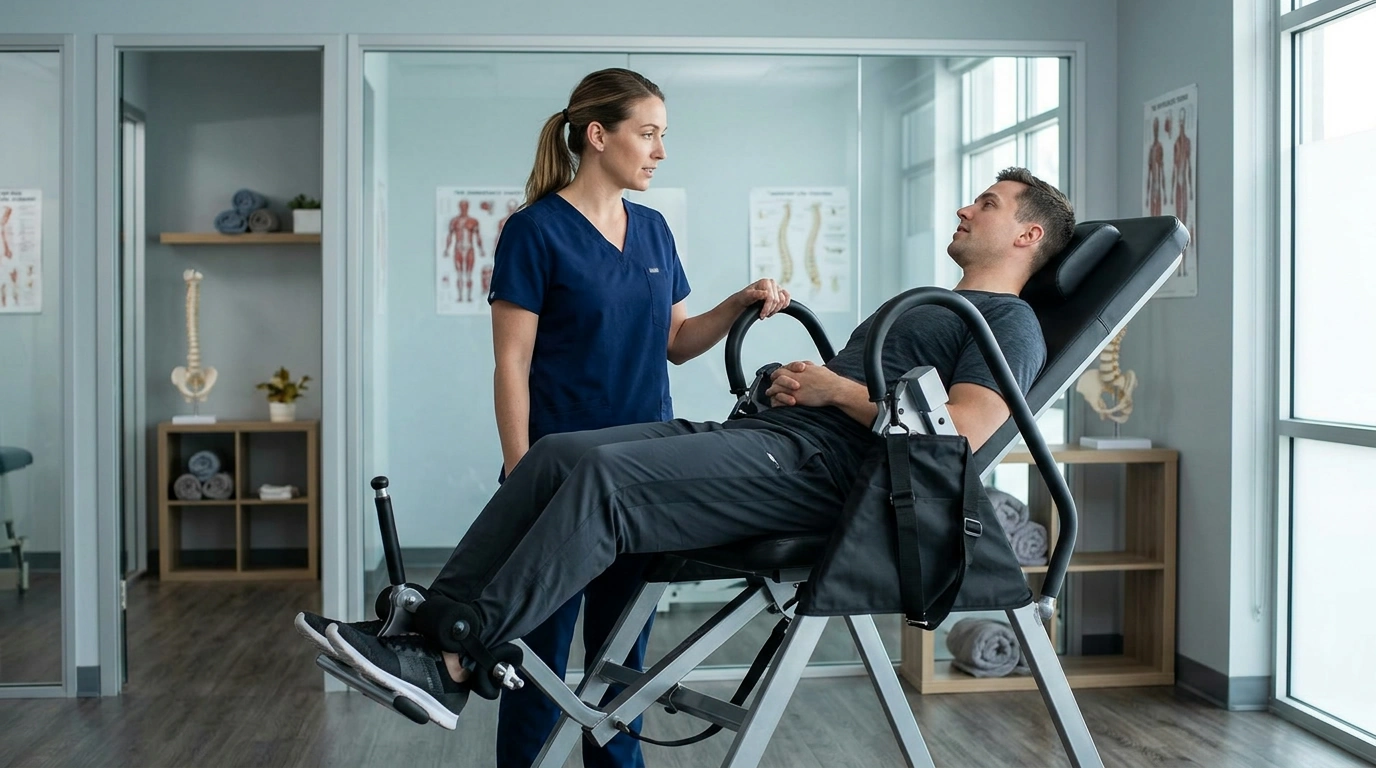
What chiropractors say about inversion tables
Chiropractors don’t all recommend inversion tables, and an individual chiropractor’s advice depends on your health and symptoms. Some may suggest a table as a short-term way to ease pressure or muscle tension for certain people. Inversion may temporarily change how your back feels, but it isn’t a cure for back conditions or a substitute for a personalized care plan.
Ask your chiropractor or another qualified healthcare professional whether inversion is appropriate for you before trying it. They can help weigh possible benefits against the risks, especially if you have a diagnosed spine condition or take medication that affects blood pressure. Stop if you experience pain, dizziness, nausea, or unusual pressure in your head or eyes.
How to choose and use a table with care
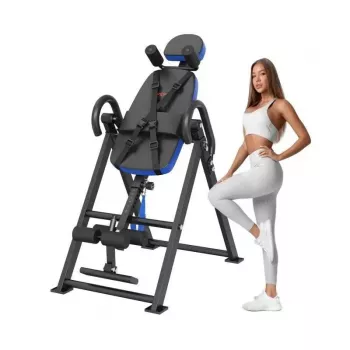
If your clinician approves inversion, choose a table that suits your body and intended use—not simply the one with the highest advertised capacity. Confirm that its stated weight capacity comfortably accommodates you and that its height-adjustment range fits your height. A secure ankle restraint, stable frame, adjustable inversion controls, and a safety strap or stop can make positioning and limiting the angle easier.
Start with a shallow angle and a brief session, following your clinician’s instructions and the manufacturer’s guidance. Keep the table on a level surface, secure your ankles as directed, and make sure you can return upright without straining. Don’t begin with full inversion or use the table alone if you’re unsure you can control it. A heavy-duty model can offer a higher capacity or sturdier construction, but those features don’t make inversion suitable for everyone.
When to get medical guidance first
Inversion can raise pressure in the head and eyes and may affect circulation. Get medical clearance before use if you have high blood pressure, heart or circulation problems, glaucoma or another eye condition, osteoporosis, a history of stroke, or if you’re pregnant. This list isn’t exhaustive; your clinician can consider your specific health history and explain safer alternatives if inversion isn’t a good fit.
For help comparing frame capacity, adjustment features, and other buying considerations, visit our heavy-duty inversion table guide.
FAQ
Who should avoid using an inversion table?
People with conditions such as glaucoma, uncontrolled high blood pressure, heart or circulation problems, osteoporosis, or a history of stroke should avoid inversion unless a healthcare professional specifically clears it. Ask for guidance during pregnancy or if you have another condition that could be affected by changes in position or pressure.













Leave a comment