Heavy Duty Inversion Table Guide: Safer Home Decompression
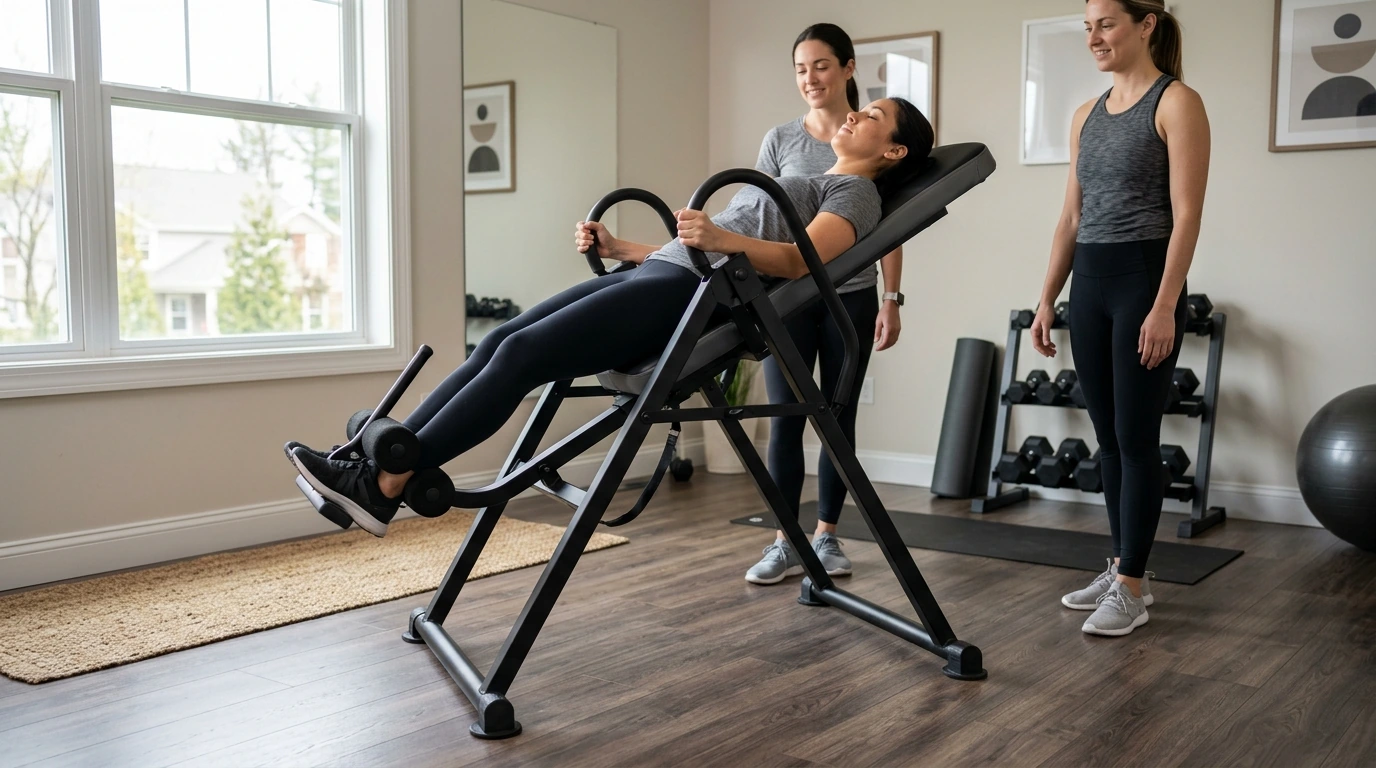
Heavy Duty Inversion Table: Comfort, Control, and Confidence for Decompression at Home
A heavy duty inversion table is built for stability and higher weight capacity while supporting controlled inversion angles for spinal decompression and stretch-based relief. The right setup prioritizes frame strength, secure ankle support, smooth angle control, and safe entry/exit—so sessions feel steady and predictable from the first flip to the last.
What a Heavy Duty Inversion Table Is Designed to Do
Inversion tables are made to let gravity assist a gentle traction-like stretch. A heavy duty model focuses on keeping that experience stable and repeatable, especially for users who want a sturdier frame or a higher load rating.
- Supports partial to full inversion so the spine can decompress and surrounding muscles can relax.
- Provides a controlled way to use body weight for traction-like stretching, often used for tight backs, hips, and hamstrings.
- Emphasizes stability: wider footprint, stronger steel frame, and more robust locking/adjustment parts than lighter units.
- Encourages repeatable sessions with adjustable angle settings rather than “all or nothing” inversion.
For general context on how inversion is commonly discussed in clinical education, see Cleveland Clinic’s overview of inversion therapy.
Key Features That Matter Most
When comparing heavy duty inversion tables, the most important differences often come down to how secure you feel at the ankles, how smoothly the table pivots, and how confidently you can stop at a chosen angle.
- Weight capacity and frame build: Look for a rating that comfortably exceeds body weight and a steel frame with solid welds and bracing.
- Ankle and foot restraint system: Padded rollers, secure locking, and easy release reduce pressure points and improve confidence while inverted.
- Angle control: Multi-position settings or a reliable strap/lock mechanism makes it easier to stay at gentle angles (like 20–45°) before going deeper.
- Height adjustment and balance: Correct height setting improves pivot balance so flipping feels smooth instead of “dropping” backward.
- Padding and back support: Thicker backrests can improve comfort, especially during longer decompression holds.
- Foldability and footprint: A folding frame or transport wheels help when storage space is limited.
Quick checklist for comparing heavy duty inversion tables
| Feature | Why it matters | What to look for |
|---|---|---|
| Weight capacity | Safety margin and stability under load | Rated above body weight with room to spare |
| Base width / footprint | Reduces wobble and tipping risk | Wide stance, non-slip feet |
| Ankle support | Comfort and secure hold while inverted | Thick padding, firm lock, easy release |
| Angle control | Lets beginners progress safely | Multiple preset angles or a robust limiter strap |
| Height adjustability | Improves balance and smooth pivoting | Clear markings, secure locking pin |
| Padding | Comfort during longer sessions | Supportive back pad, easy-to-clean material |
Safety Notes and Who Should Avoid Inversion
Inversion isn’t a fit for everyone, and it’s worth being cautious—especially early on when your body is still adapting to being tilted or inverted.
- Inversion can raise pressure in the eyes and affect blood pressure; people with glaucoma, uncontrolled hypertension, certain heart conditions, or retinal issues are commonly advised to avoid it unless cleared by a clinician.
- Start with shallow angles and short durations; gradually increase time and angle only if well-tolerated.
- Use a clear area and a stable floor surface; keep pets and children away during use.
- Stop immediately if dizziness, numbness, sharp pain, or unusual head pressure occurs.
- Consider having someone nearby during early sessions until entry/exit feels routine.
If blood pressure is a concern, reference general guidance from the American Heart Association and speak with a clinician about whether inversion is appropriate.
Getting Started: Angle, Time, and Comfort Setup
A good first week with an inversion table should feel controlled—more like easing into a stretch than “hanging upside down.” Small adjustments make a big difference in comfort and confidence.
- Start shallow: Begin with a gentle inversion angle (often 20–30°) for 1–2 minutes to see how the body responds.
- Use short sets: Build a simple routine: warm up with light movement, invert briefly, then rest upright before repeating.
- Dial in the ankle hold: Fine-tune ankle padding placement and strap tension so feet feel secure without pinching.
- Relax on purpose: Focus on breathing and a loose jaw/shoulders; gripping and tensing can increase discomfort.
- Exit slowly: After returning upright, pause before walking away to reduce lightheadedness.
For broader self-care basics around back discomfort, the Mayo Clinic’s back pain overview is a helpful starting point.
Product Spotlight: Heavy Duty Inversion Table
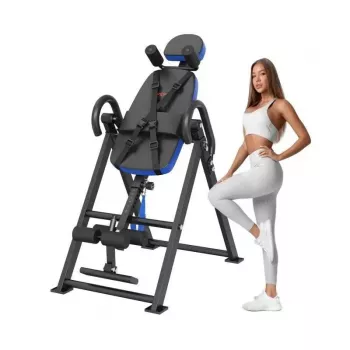
If higher stability and dependable support are top priorities, a purpose-built, heavy duty option can make home sessions feel more predictable—especially when you’re trying to stay consistent with gentle angles and controlled movement.
- A sturdy option for home use when higher stability and dependable support are priorities.
- Designed to help create a consistent inversion routine with emphasis on secure positioning and overall steadiness.
- Best practices still apply: begin at shallow angles, use short sessions, and prioritize controlled entry/exit.
Shop the Heavy Duty Inversion Table (USD 171.67).
Helpful Add-On for a Calm, Guided Routine
RGB USB Gaming Microphone with Noise Canceling & One-Touch Mute (USD 50.51).
Care, Storage, and Long-Term Reliability
FAQ
How long should an inversion session be?
Start with 1–2 minutes at a mild angle, then return upright and rest. Many people do a few short sets rather than one long hang, increasing time only if they feel comfortable.
Is inversion safe for everyone?
No—some conditions can make inversion risky because it may affect blood pressure and eye pressure. If you have glaucoma, uncontrolled hypertension, heart conditions, or retinal problems, get medical guidance before trying inversion.
What angle is best for beginners?
A gentle angle around 20–30° helps your body adapt without feeling overwhelming. Increase the angle gradually over multiple sessions based on comfort and tolerance.













Leave a comment