Smooth Pans Made Easy: Hydraulic Gimbal Tripod Head
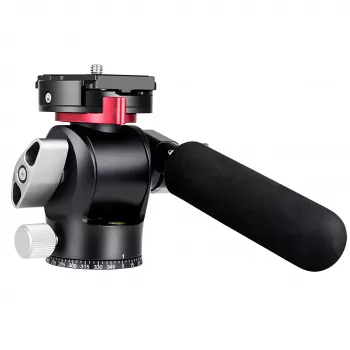
Professional Hydraulic Gimbal Tripod Ball Head with Quick Release & Handle
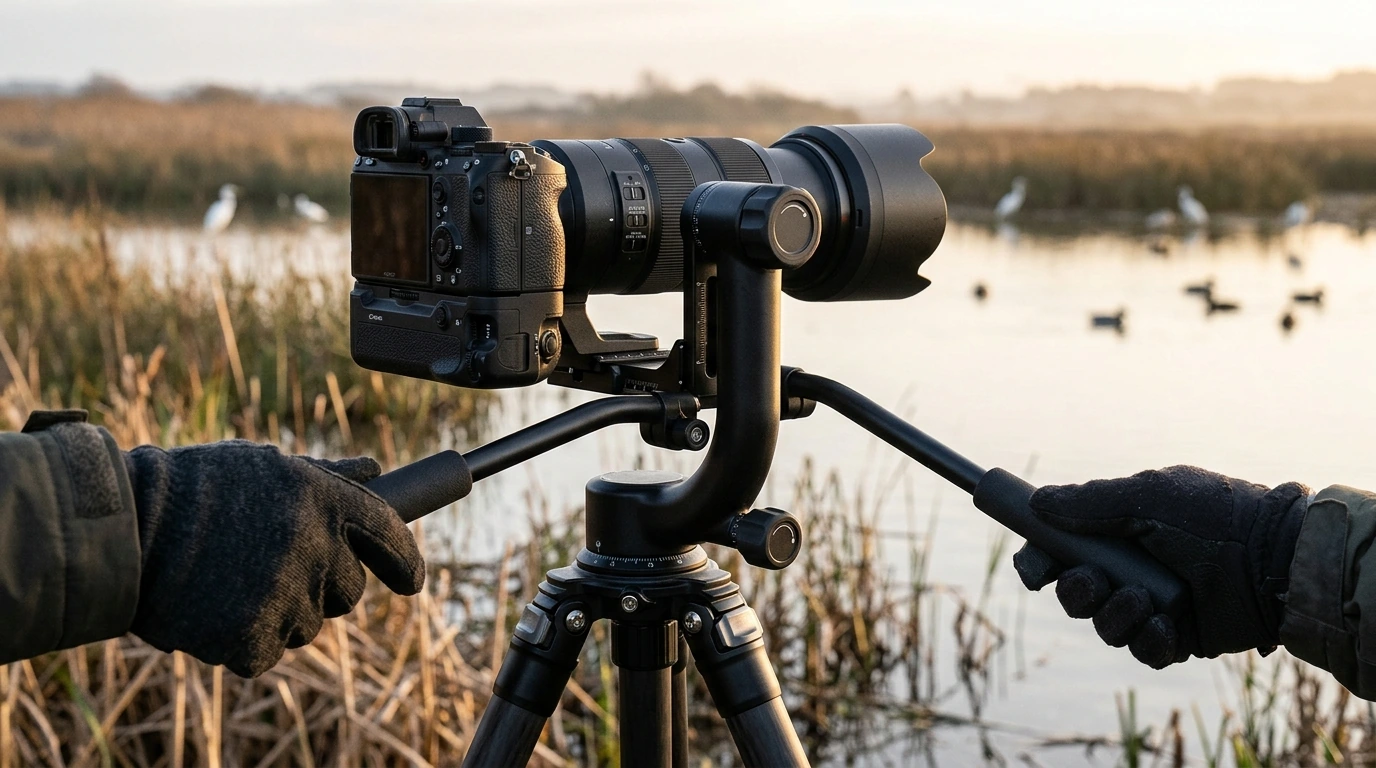
A smooth, controlled tripod head can make the difference between a shaky clip and a clean pan, or between a missed wildlife moment and a locked-in frame. The Professional Hydraulic Gimbal Tripod Ball Head with Quick Release & Handle pairs fluid-like damping with a quick release system and a handle for confident control—useful for telephoto work, sports, wildlife, video moves, and heavy camera setups that benefit from balanced movement. For more guidance, see How to learn about ball heads from Gitzo, Manfrotto, Arca-Swiss ….
What This Tripod Head Is Designed to Do
This hydraulic gimbal-style head is built for shooters who want smoother movement without feeling like they’re wrestling a heavy rig. Instead of abrupt “locked or loose” behavior, the goal is controlled resistance and predictable locking. For further reading, see [PDF] DY – DSpace@MIT.
- Stabilize and balance heavier camera-and-lens combinations for easier tracking and reduced strain.
- Support smooth panning and tilting with hydraulic-style damping for controlled motion.
- Speed up mounting and removal through a quick release interface—helpful when switching between tripod, monopod, and handheld.
- Improve handling with an attached handle that adds leverage for precise micro-movements.
- Reduce drift and sudden drops by allowing gradual tension adjustment rather than all-or-nothing locking.
If you’re comparing head types, reputable learning resources like B&H Explora and Manfrotto School are helpful for understanding how ball, pan/tilt, and gimbal designs differ in real shooting conditions.
Key Parts and Controls to Look For
Before buying any head, it helps to think in terms of axes (pan and tilt), how tension is set, and how securely the quick release clamps. Small ergonomic details—like whether a knob is glove-friendly—matter more than they seem when you’re out in wind, cold, or fast action.
- Base rotation and pan control: a dedicated pan axis helps keep horizons level during sweeps.
- Tilt/gimbal movement: should feel consistent across the range, without sticking at the start of motion.
- Tension adjustment: enables fine control so the camera can be guided rather than forced.
- Locking knobs: should be reachable with gloves and provide predictable lock strength.
- Quick release clamp and plate style: confirm compatibility (many systems use Arca-style plates, but not all are identical).
- Handle ergonomics: check length, grip comfort, and whether the handle can be repositioned for left/right-handed operation.
Quick compatibility checklist (measure before buying)
| Item to verify | Why it matters | What to check |
|---|---|---|
| Tripod mount thread | Ensures the head fits the tripod | Most tripods use 3/8″ at the apex; some use 1/4″ with an adapter |
| Quick release type | Determines if existing plates fit | Plate shape/width; whether it matches your current plates and L-brackets |
| Load rating (manufacturer spec) | Safety margin for heavy lenses | Compare your heaviest setup (camera + lens + accessories) and keep a buffer |
| Tilt/pan resistance range | Controls smoothness for photo and video moves | Ability to set light-to-firm damping without jerks |
| Clearance for lens collar | Avoids binding when rotating | Room for the lens foot and collar when tilting and panning |
| Balance adjustment (if available) | Reduces torque on locks | Ability to shift the plate position to find the center of gravity |
For broader selection concepts and why certain head styles work better for certain shooting scenarios, Gitzo Academy offers a solid overview.
Best Uses: When a Hydraulic Gimbal-Style Head Shines
A damped, gimbal-like head is most valuable when you need both freedom of movement and confidence that your camera won’t suddenly flop. It’s a practical middle ground for creators who shoot both stills and video and want controlled motion without moving to a full-size video head.
- Wildlife and birding: tracking fast, unpredictable movement becomes easier with damped motion and balanced support.
- Sports and action: smoother follow-through during pans while keeping the subject centered.
- Outdoor video: controlled starts and stops for simple motion shots.
- Long-lens landscapes: steady framing and incremental adjustments without bumping the setup.
- Macro or product shots: fine aiming adjustments are easier with a handle and controlled resistance (depending on tilt range and tension control).
Setup Tips for Smooth Movement and Safer Locking
Most “bad tripod head experiences” come from poor balance, mismatched plates, or tension that’s either too loose (risking a sudden drop) or too tight (causing jerky starts). A few habits make a big difference.
Care and Maintenance for Consistent Damping
Product Snapshot and Purchase Notes
The Professional Hydraulic Gimbal Tripod Ball Head with Quick Release & Handle is in stock and set up for smoother pans/tilts and faster mounting workflows with its quick release and handle.
- RGB USB Gaming Microphone with Noise Canceling & One-Touch Mute for clearer voice capture in streams, tutorials, or behind-the-scenes content.
- Carbon Trout Fishing Combo for outdoor trips where you might also be filming or photographing on location.
FAQ
Will this work with an Arca-style quick release plate?
Many quick release systems are Arca-style, but clamp and plate tolerances can vary between brands. Check the clamp/plate dimensions on the product page and, if possible, test with your existing plate or use the included plate (if provided) for the best fit.
How much weight can a gimbal-style tripod head safely hold?
Follow the manufacturer’s load rating and leave a safety buffer rather than running at the limit. Real-world stability also depends on balance, tripod stiffness, use of a lens collar, and conditions like wind or vibration.
What’s the difference between a ball head and a gimbal head for long lenses?
Ball heads are compact and fast to reposition, but long lenses can “flop” when loosened if the rig isn’t balanced. Gimbal-style heads support long lenses in a more balanced way, making tracking moving subjects feel smoother and reducing sudden drop risk.















Leave a comment