Quick-Pitch Tents: Easy Options for Every Camper
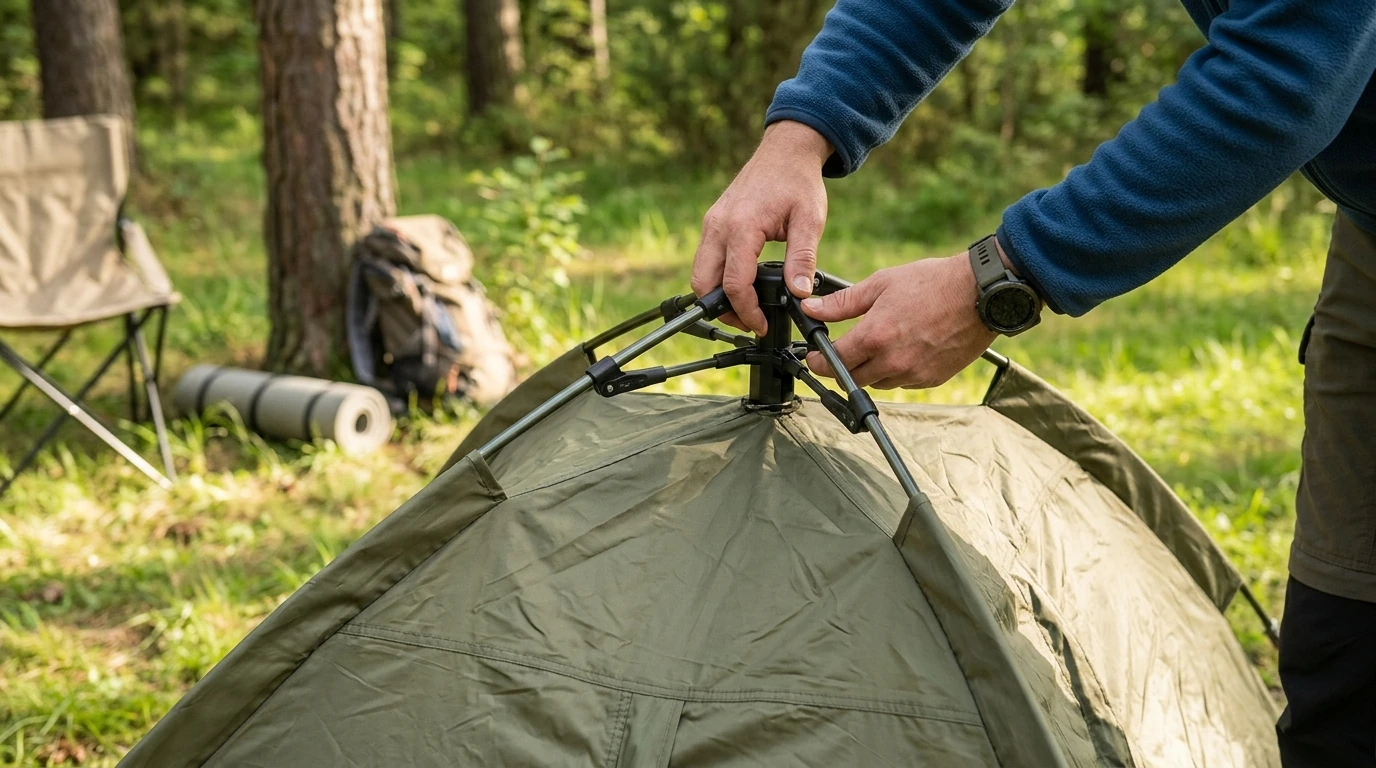
What makes a tent quick to set up?
A tent designed for fast pitching reduces the number of parts you need to assemble. Look for preattached poles, color-coded joints, clear instructions, and a straightforward staking plan. The best choice for you depends on whether you value speed above all, or also need room to stand, reliable shade, or a compact packed size.
Which tent styles are easiest to pitch?
Instant cabin tents
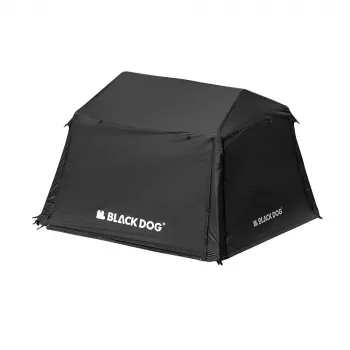
These use a connected frame that opens into shape, so you can skip threading separate poles through long sleeves. They’re a good option when you want generous interior space and a simple setup at a drive-in campsite. The trade-off is that many pack larger and weigh more than basic dome tents.
Pop-up tents
Pop-up designs spring open with minimal assembly, making them convenient for short outings and situations where speed matters most. Their compact packed shape can be awkward to carry, and folding them away may take practice. Learn the closing sequence before your trip so takedown doesn’t become a guessing game.
Hub-style dome tents
A hub-connected frame can make a roomy dome easier to pitch than a traditional pole-by-pole design. This style can suit campers who want a quick setup without choosing a cabin shape. Compare the packed dimensions and frame layout, since “quick” designs still vary in how much assembly they require.
What should you compare before choosing?
Start with the number of people using the tent and the space needed for bags or changing clothes. Check the packed weight if you’ll carry it far from the car. For sunny campsites, look for a full-coverage rainfly or other dependable shade, plus clear information about fabric sun protection. Large windows and mesh can improve airflow, but they don’t replace shade.
Consider the weather you expect, too. A fast-opening frame still needs to be secured with stakes and guylines as directed, especially if wind or rain is possible. Practice pitching and packing the tent at home, and make sure you can complete both steps without help if you’ll be camping solo.
For more guidance on roomy designs and sun protection, read our guide to quick-open cabin tents.
FAQ
How can you protect a tent from strong sun?
Choose a shaded campsite when possible, orient the tent to limit direct sun on its broadest side, and use a compatible shade shelter if needed. Follow the tent maker’s guidance for sun exposure, since prolonged UV can wear down fabric.











Leave a comment