Quick-Open Cabin Tent: Sun Protection & Roomy Comfort
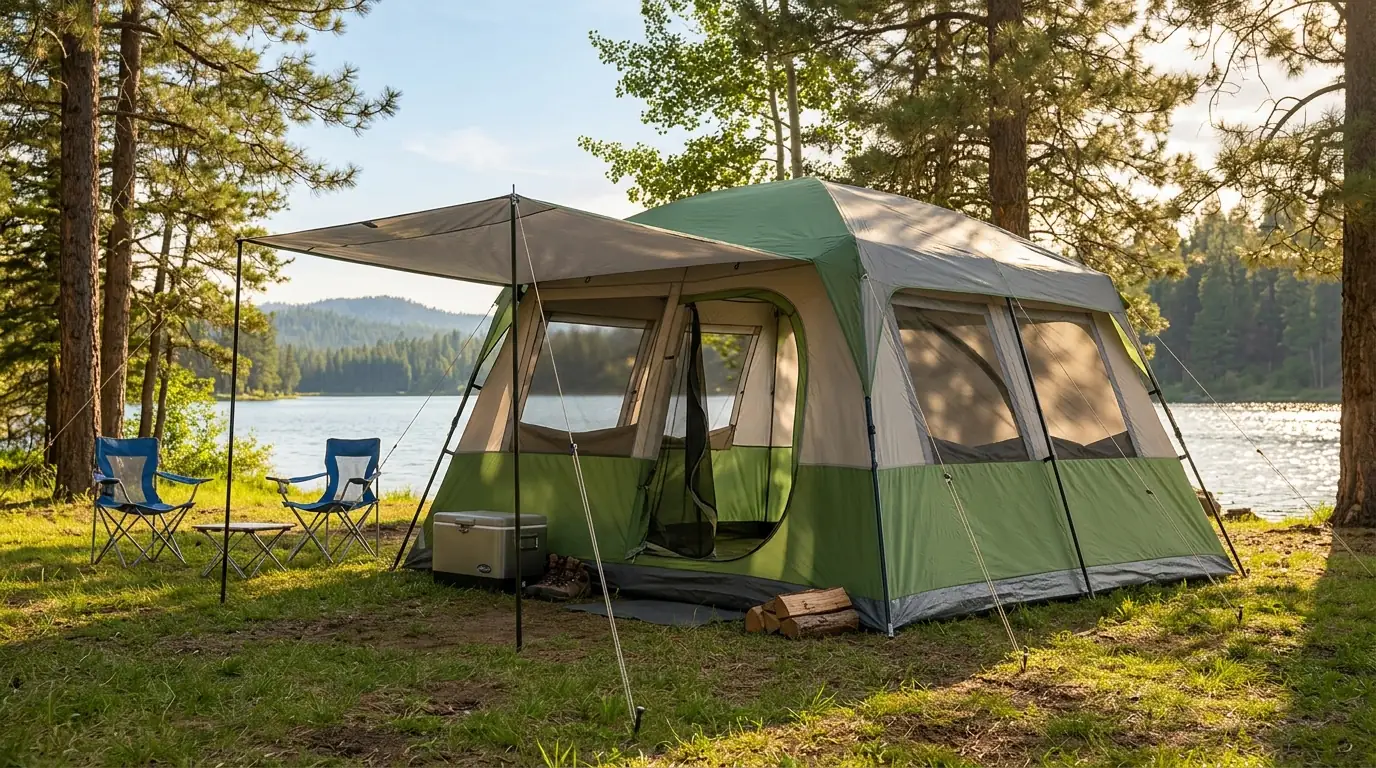
Automatic Quick-Open Camping Tent with Sun Protection & a Spacious Cabin
Fast setup, reliable shade, and room to stretch out can make the difference between a relaxing trip and a frustrating one. An automatic quick-open cabin-style tent is built for campers who want a hassle-free pitch, stronger sun protection during long daytime use, and a more livable interior for families or comfort-focused overnights. If your trips include hot afternoons, busy arrival times, or a campsite that doubles as a hangout spot, this style of tent can feel less like “gear” and more like a temporary cabin.
What makes an automatic quick-open cabin tent different
Quick-open designs use an instant-style frame that expands into shape with fewer steps than traditional pole tents. That matters when you’re arriving near sunset, setting up solo, or trying to manage flapping fabric in a breeze. Instead of sorting and threading multiple poles, the frame helps the structure stand up early—then you dial it in with staking and tensioning.
The cabin profile is the other big shift. Straight-ish walls and generous peak height translate to more usable headroom along the edges, not just in the center. That makes it easier to move around, change clothes, and keep gear organized without constantly crouching over sleeping pads.
This kind of tent is also a strong fit for extended daytime use—think summer campouts, lakeside sites, festivals, or backyard overnights—where shade and airflow determine whether the interior stays pleasant. For stability, most quick-open cabins perform best when paired with a dedicated footprint and careful staking, especially if gusts roll through.
If you’re shopping for a comfort-first setup, take a look at the Automatic Quick-Open Camping Tent with Sun Protection & Spacious Cabin for a balance of fast pitching and a room-like interior.
Sun protection and heat management for all-day comfort
Sun protection in tent fabrics isn’t just a nice-to-have—UV exposure can accelerate material wear and make the interior feel like a greenhouse during peak hours. Choosing a canopy and fly that prioritize UV resistance helps limit radiant heat and supports long-term durability, especially for frequent summer use.
Ventilation matters as much as shading. Mesh panels, high vents, and flexible door configurations help warm air escape and keep the inside from feeling stagnant. For hot-weather trips, airflow often decides whether you can comfortably nap, read, or wait out the afternoon without retreating to the car.
Smart positioning multiplies whatever the material can do. If possible, pitch with the broad side angled away from the harshest afternoon sun, and take advantage of natural shade from trees or terrain features. For severe heat, a reflective tarp set above the tent (with an airflow gap) can reduce radiant load without trapping hot air. For broader heat-safety considerations at camp, review guidance from the National Weather Service.
| Goal | What to do | Why it helps |
|---|---|---|
| Reduce direct sun | Pitch near trees or use a separate tarp with an air gap | Limits radiant heat and slows interior warming |
| Increase cross-breeze | Open opposing vents/doors (with mesh closed) | Moves warm air out and brings cooler air in |
| Keep floor cooler | Use a proper footprint and avoid placing gear directly on hot ground | Cuts heat transfer and protects the floor |
| Lower condensation risk | Vent even on cool nights | Moist air escapes instead of collecting on walls |
UV awareness extends beyond comfort, too. Understanding how UV exposure impacts skin and materials can help you plan smarter midday routines; the Skin Cancer Foundation offers a clear overview of UV radiation basics.
Spacious cabin layout: how to use the interior effectively
Setup, staking, and storm readiness
Match stakes to terrain. Nail-style stakes tend to work better in hard-packed soil, longer stakes help in wind, and wide sand/snow styles are essential in loose ground. For rain readiness, keep seams and zippers clean, ensure the fly is taut, and avoid pressing sleeping bags against inner walls to reduce moisture transfer. Planning ahead for weather and site realities is also part of responsible camping; the Leave No Trace guidance on planning is a useful reference.
Who this tent suits best
Product highlights and what to check before ordering
To build a simple “camp-ready” kit around a cabin tent, consider pairing shelter time with easy campsite activities. If fishing is part of your trips, the Carbon Trout Fishing Combo is an in-stock option that complements relaxed mornings at the lake or river.
For the tent itself, shop the Automatic Quick-Open Camping Tent with Sun Protection & Spacious Cabin and prioritize the features that match your climate: sun protection and airflow for hot regions, and fly coverage plus guy-out options for changeable weather.
FAQ
How fast can an automatic quick-open tent be set up?
The frame is designed to expand into shape quickly, so the tent body can be standing in a few minutes. Real setup time is usually closer to 5–15 minutes once you factor in site prep, staking, and guylines, and it can take longer in wind or very hard ground.
Does sun protection in a tent really make a difference?
Yes—better sun protection can reduce radiant heat inside the tent and helps slow UV-related fabric degradation over time. It’s most effective when combined with smart pitching, strong ventilation, and supplemental shade in extreme heat.
What should be done to keep a cabin-style tent stable in wind?
Stake the corners first, use all available guylines, and upgrade stakes to match local soil so the structure stays tensioned. Position the narrow end into prevailing wind when possible and avoid exposed ridgelines where gusts hit hardest.









Leave a comment