Quiet Pocket Massage Gun: 4-Speed Deep Tissue Guide
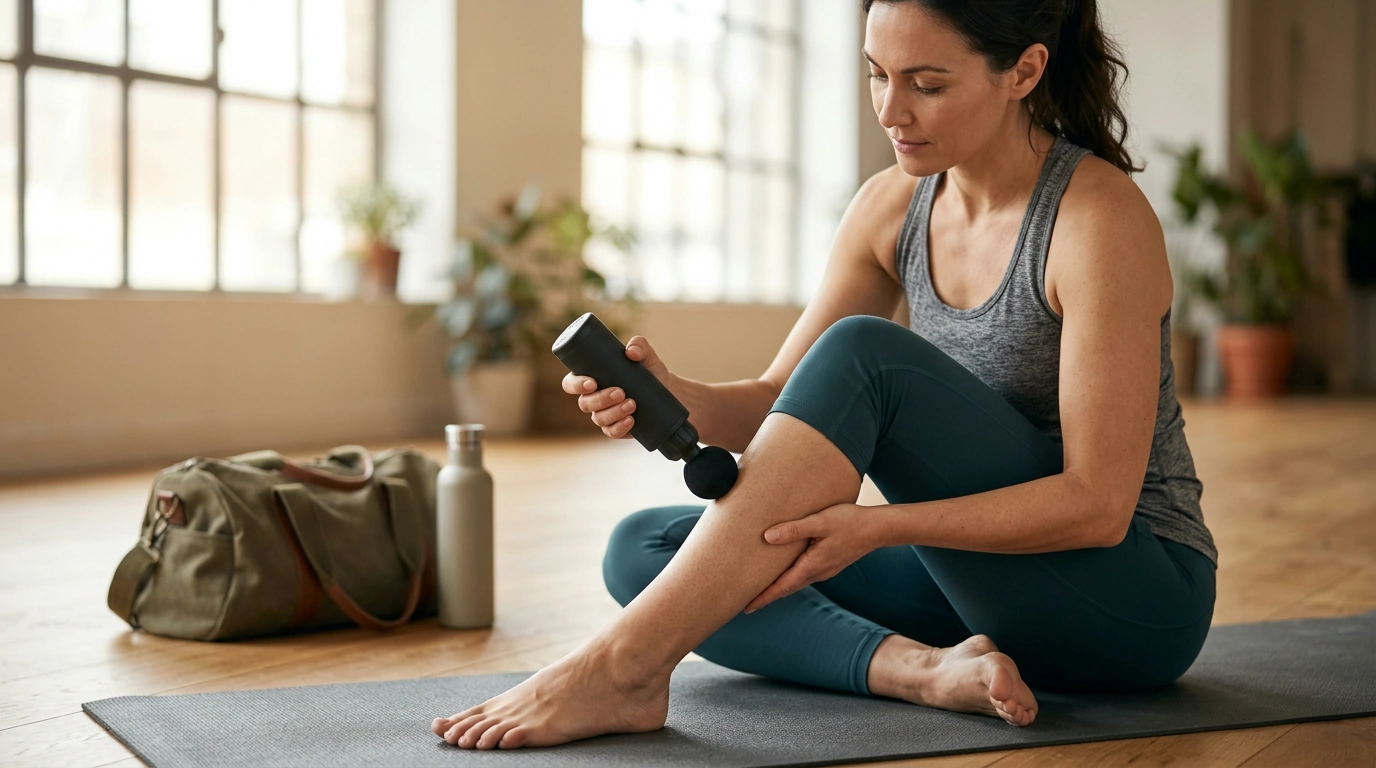
Mini Pocket Massage Gun: Deep Tissue Relief in a Quiet, Take-Anywhere Size
Busy days, long workouts, desk hours, and travel can leave muscles feeling tight and stubborn. A pocket massage gun is designed for quick, targeted deep tissue relief—without taking over a gym bag or waking up the whole room. This mini model pairs four speed settings with a quiet motor, so it’s easy to match the intensity to the moment: warm-up, post-workout recovery, or end-of-day decompression.
What a pocket massage gun does (and what it’s best for)
A pocket massage gun delivers rapid percussive pulses into soft tissue to help relax tight spots and support recovery routines after activity. It’s especially useful when you want focused relief in a short window—think “a few minutes to reset,” not a full-body session.
- Great for commonly overworked areas: calves, quads, hamstrings, glutes, upper back, traps, forearms, and the bottoms of your feet.
- Most effective with short, targeted sessions on specific muscle groups rather than long, continuous use in one spot.
- Easy to keep in a car, gym locker, suitcase, or desk drawer for quick touch-ups after commuting, training, or long sitting.
If you want general context on massage benefits and how it can support comfort and mobility routines, the Cleveland Clinic’s overview is a helpful baseline reference: Cleveland Clinic: Massage Therapy.
Why quiet matters when relief needs to fit into real life
When a device is loud, you tend to delay using it until the “perfect time” that never shows up. A quieter motor makes it easier to keep up with short, practical sessions—especially in apartments, hotel rooms, shared bedrooms, or during an office break.
- Quiet operation helps you stay consistent, and consistency beats occasional long sessions for many everyday aches.
- Low-to-mid speeds pair naturally with quieter use and often feel more relaxing (especially at night).
- Better for shared spaces where you don’t want to disturb a partner, roommate, or neighbors.
Using the 4 speeds: a simple guide for better results
Our team’s comfort-first approach is simple: start low, let the device do the work, and only increase intensity if it still feels smooth and tolerable. Speed is only part of the equation—time on the muscle and light-to-moderate pressure matter just as much.
- Start low, then build: begin on the lowest speed to warm tissue and gauge sensitivity (especially on calves, forearms, and around shoulders).
- Match speed to your goal: lower speeds for gentle relaxation/warm-up; higher speeds for stubborn tightness on larger muscle groups.
- Use short passes: sweep slowly over the muscle for 30–60 seconds, pause, then reassess. Repeat as needed rather than pressing harder.
- Keep it moving: avoid hovering on joints or bony areas; focus on the muscle belly and the tender bands within it.
4-Speed Cheat Sheet (Comfort-First Setup)
| Speed level | Best time to use | Good target areas | Suggested session length |
|---|---|---|---|
| Speed 1 | Warm-up or relaxation | Feet, forearms, calves, neck/upper traps (light pressure) | 20–40 seconds per area |
| Speed 2 | Everyday tightness | Calves, quads, upper back, glutes | 30–60 seconds per area |
| Speed 3 | Post-workout recovery | Quads, hamstrings, glutes, lats | 45–90 seconds per area |
| Speed 4 | Stubborn tight spots (large muscles only) | Glutes, quads, hamstrings | Up to 60 seconds, then reassess |
A quick routine for common tightness (5–8 minutes)
If you’re not sure where to start, this routine is a reliable “daily driver” after training or long sitting. Keep your pressure moderate, move slowly, and aim for a steady, controlled pass.
- Calves (1–2 minutes): use low-to-mid speed and sweep upward from the Achilles area, staying on the muscle belly.
- Quads (1–2 minutes): work from just above the knee toward the hip; avoid the kneecap and sharp bone edges.
- Glutes (1–2 minutes): focus on the outer hip and upper glute where tension often collects after sitting or running.
- Upper back/traps (1–2 minutes): keep pressure light; slow passes often relax better than aggressive pushing.
- Finish with movement: gentle stretching or a short walk helps muscles feel “reset” after percussion.
For broader recovery planning around training load and rest, the American College of Sports Medicine is a solid resource hub: ACSM: Recovery and exercise guidance.
Where to be careful and when to skip
Pocket-size benefits for travel, desk days, and gym bags
Care tips that keep performance consistent
Product picks from our team (in stock)
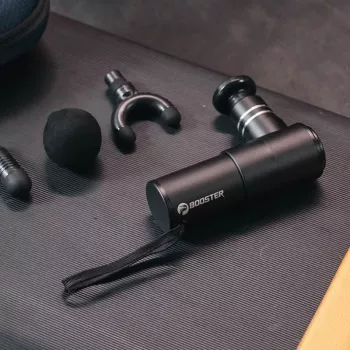
- Mini Pocket Massage Gun for Deep Tissue Relief with 4 Speeds & Quiet Motor — four speeds for easy intensity control in a portable size.
- RGB USB Gaming Microphone with Noise Canceling & One-Touch Mute — a handy desk upgrade when you want clearer calls and meetings in your work-from-home setup.
- Women’s Genuine Leather Retro Office Pumps – 4cm Square Heel Slip-On — a comfortable, office-ready option that pairs well with a commute-and-desk-day lifestyle.
FAQ
How long should a pocket massage gun be used on one muscle group?
Aim for short passes of about 20–90 seconds per area, then pause and reassess how it feels. Most people get what they need in a 5–10 minute total session rather than staying on one spot for a long time.
Which speed should be used for deep tissue relief without overdoing it?
Start on Speed 1–2 to warm up, then move to Speed 3 (or Speed 4 on large muscles only) if it stays comfortable. Keep pressure moderate and let time and slow passes do the work instead of cranking speed immediately.
Can a quiet pocket massage gun be used at night or in an apartment?
Yes—quiet operation is a better fit for shared spaces, and it’s especially useful when you want relief without disturbing others. For nighttime use, stick to lower speeds and shorter sessions so your body can wind down rather than feel overstimulated.











Leave a comment