Multi-Level Cat Tree Tower: Stable, Cozy Indoor Climbing
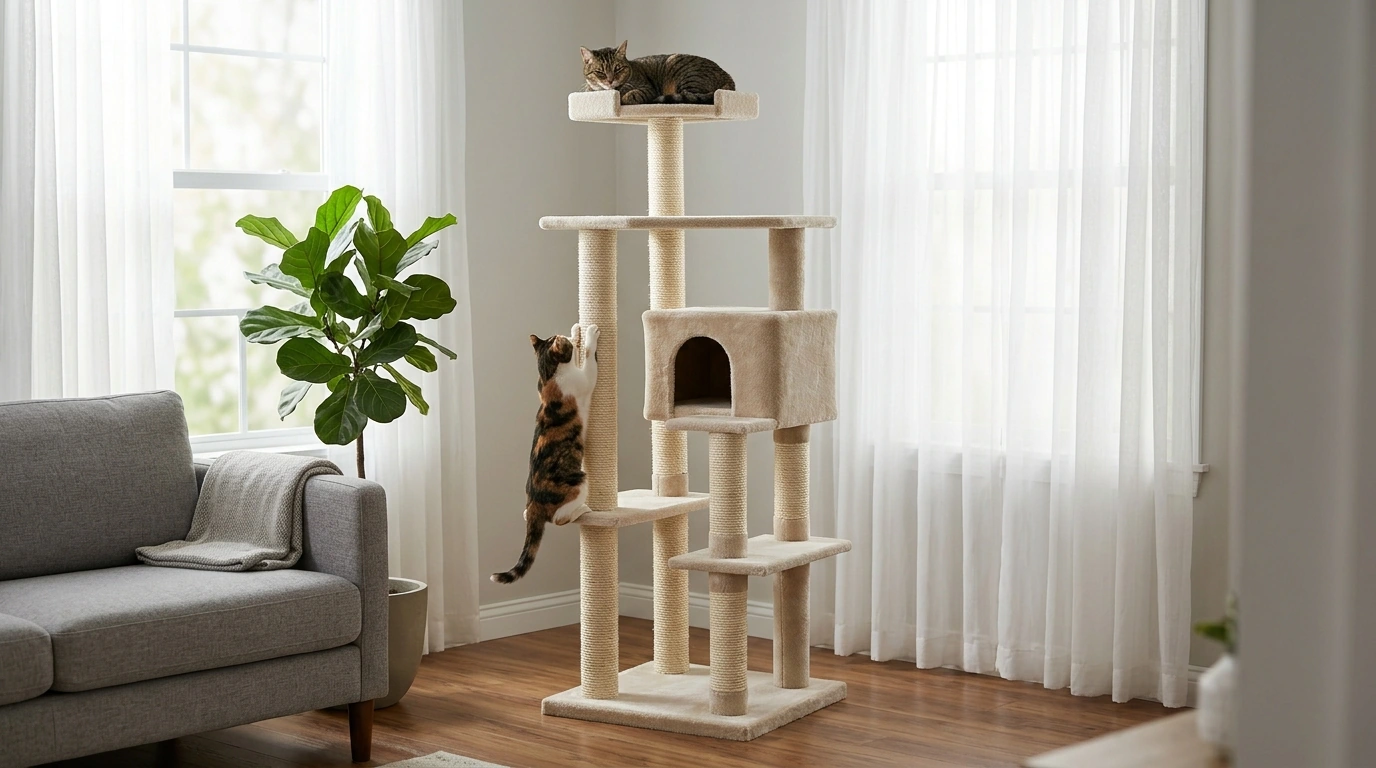
Multi-Level Indoor Cat Tree Tower: A Comfortable Climb, Scratch, and Rest Zone
A well-designed cat tower can turn vertical space into a daily routine of climbing, scratching, watching, and napping. The right multi-level indoor cat tree tower supports natural feline behaviors while keeping your home more organized—by giving your cat a “yes” spot that competes with furniture, shelves, and doorframes. Below are the features that make a real difference, where placement matters most, and how to keep the setup stable and inviting from kittenhood through adulthood. For more guidance, see Cat Tree 57 inches Multi-Level Cat Condo with Scratching.
What a multi-level tower adds to an indoor cat’s routine
Cats experience a home in three dimensions. A multi-tier tower expands usable territory without increasing floor clutter, which can help indoor cats feel more confident and engaged. Higher perches also offer a secure vantage point—many cats relax faster when they can observe the room from above. For further reading, see Cat Tree 74 Inch Multi-Level Large Cat Tower with 16 Sisal ….
Multiple levels naturally separate activities. Lower platforms tend to become play and “launch” zones, mid-levels become lounging spots, and top perches often turn into quiet resting areas. When a tower includes scratch-ready posts and panels, it also provides a predictable place to stretch, mark territory, and maintain claws—especially when the scratch surface is placed near your cat’s usual “problem” area.
Enrichment matters for behavior and wellbeing. Organizations like the ASPCA and the American Association of Feline Practitioners (AAFP) emphasize the value of daily enrichment and a cat-friendly environment that includes perching, hiding, and scratching options (see ASPCA: Cat Enrichment and AAFP Environmental Needs Guidelines).
Key features that matter most
Base stability and confidence
The single biggest make-or-break detail is stability. A wide, weighty base and solid joints reduce wobble when your cat lands from a jump or sprints upward. Less sway builds confidence—especially for cautious cats that test a perch before committing.
Scratch quality: posts that get used
Look for thick posts with tightly wrapped sisal or a similarly durable scratch material. The wrap should feel firm (not spongy) and stay secure at the seams. Tall scratch zones are especially useful because they allow a full-body stretch, which is one reason cats return to the same spot daily.
Platform sizing and comfort zones
Perches should be large enough for your cat to turn around and lie down without dangling paws or hips. Cozy condos or enclosed cubbies add a retreat for shy cats and a nap spot that feels protected. Check that edges are smooth and that staples, seams, and fabric ends are minimal and well secured.
Cleaning and long-term practicality
Removable cushions, wipeable panels, or simple surfaces make routine hair removal easier. If the tower has soft fabric throughout, vacuum-friendly textures help reduce embedded fur and dander—especially in enclosed cubbies where odors can linger if moisture gets trapped.
Quick comparison checklist
Use the checklist below to compare towers before buying and to confirm the setup works once it’s in your home. Prioritize stability and scratch quality first, then treat condos, hammocks, and toys as bonus value.
| Category | What to look for | Why it helps | Good sign at home |
|---|---|---|---|
| Stability | Wide base, solid joints, minimal sway | Prevents tipping and builds confidence | Cat jumps without the tower shifting |
| Scratching | Thick posts, tight wrap, multiple scratch zones | Protects furniture, supports claw care | Cat chooses posts over carpets |
| Comfort | Soft platforms, roomy condo, smooth edges | Encourages naps and regular use | Cat lounges there daily |
| Layout | Easy step-up spacing, multiple routes | Helps kittens/seniors and multi-cat sharing | Cat can climb without hesitation |
| Placement | Near window or social area, away from loud traffic | Boosts perching and relaxation | Cat uses it during peak household activity |
| Maintenance | Vacuum-friendly fabric, replaceable parts if possible | Keeps it hygienic and fresh | Hair comes off easily; no lingering odors |
Choosing the right height and layout for your cat
Where to place it so cats actually use it
Set-up and safety checks
Care and upkeep for longer life
Featured option: Multi-Level Indoor Cat Tree Tower
If the goal is one dedicated vertical zone that supports play, scratching, and lounging without taking over the room, the Multi-Level Indoor Cat Tree Tower is designed to combine multiple tiers in a single footprint. It works well for households that want an everyday climb-and-rest destination that’s easy for cats to understand and return to.
More in-store picks
- RGB USB Gaming Microphone with Noise Canceling & One-Touch Mute
- Women’s Genuine Leather Retro Office Pumps – 4cm Square Heel Slip-On
FAQ
How tall should a multi-level cat tower be for indoor cats?
Choose a height that fits both the room and your cat’s mobility. Confident climbers often enjoy higher perches, while kittens and seniors do better with easier step spacing and fewer big jumps. Stability and platform size typically matter more than maximum height.
How can a cat tower stop scratching on furniture?
Place the tower’s scratching posts near the spot your cat already scratches, then reward use with treats or play. Make the furniture less appealing with temporary covers or deterrent textures, and ensure the scratch surface is sturdy and tall enough for a full-body stretch.
Where is the best place to put a cat tree indoors?
A spot near a window or close to the social center of the home tends to get the most use. Set the base on a flat surface and, if possible, position it near a wall for added security. Avoid high-traffic paths where it may get bumped.













Leave a comment