20-Inch Kids Bike Fit, V-Brakes, and Steel Frame Tips
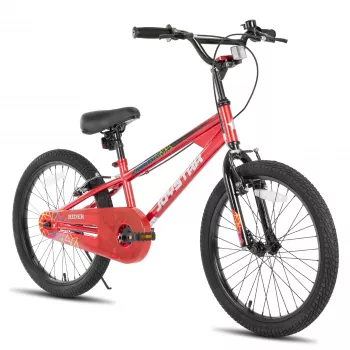
20-Inch Kids’ Bike with Carbon Steel Frame and V-Brake System: A Practical Guide for Everyday Riding
A 20-inch kids’ bike can be a sweet spot for school commutes, neighborhood loops, and weekend park paths. The goal is simple: a ride that feels stable, stops predictably, and holds up to the way kids actually use bikes—quick turns, curb bumps, and plenty of “park it and run.” Below is a practical guide to fit, safety, durability, braking, and upkeep, with a close look at why a carbon steel frame and V-brake setup can match many kids’ everyday riding needs.
Who a 20-Inch Bike Fits Best
A 20-inch bike often works well for kids who’ve outgrown smaller wheels and want more momentum and stability without jumping up to a larger youth size. It’s a common step for riders building confidence on longer loops, gentle hills, and daily neighborhood routes.
Fit matters more than age. The most useful checks are stand-over clearance, comfortable reach to the bars, and brake reach that lets a child stop without shifting their hands awkwardly. If any of these feel “almost right,” sizing or adjustability may need a closer look.
Quick Fit and Readiness Checks
| Check | What to Look For | Why It Matters |
|---|---|---|
| Stand-over clearance | A little space between the top tube and the child when standing flat-footed | Reduces bumps and improves confidence during stops |
| Brake reach | Child can fully squeeze levers without shifting hands off grips | Shorter reaction time and better control |
| Saddle height | Comfortable pedaling with a slight knee bend at the bottom of the stroke | Prevents fatigue and improves efficiency |
| Handlebar reach | Relaxed shoulders and slight bend in elbows | Better steering control and less wrist strain |
Why a Durable Carbon Steel Frame Can Be a Smart Choice
For many families, the “best” kids’ bike isn’t the lightest—it’s the one that survives daily life. Carbon steel frames are widely valued for toughness, which can be a real advantage when a bike gets leaned against fences, dropped in driveways, or bumped on curbs.
That durability can also support a stable ride feel. A solid frame can help newer riders feel planted while practicing starts, stops, and steady cornering. For everyday riding, durability often has more practical value than shaving a little weight—especially when the bike is used frequently and stored wherever there’s space.
V-Brake System: What It Does Well for Kids
V-brakes (rim brakes) are a familiar, kid-friendly braking style because they’re straightforward and predictable on typical paved surfaces. When set up correctly, they provide confident stopping power for neighborhood speeds and park paths.
They’re also easy to inspect: you can usually see pad wear and alignment without special tools. For parents, that makes routine checks simpler; for kids, it helps reinforce safe habits (“pads look good, cables move smoothly, brakes feel firm”).
Key setup notes
- Pads should contact the rim squarely (not the tire, not below the braking surface).
- Cables should glide smoothly and show no fraying.
- Brake levers should not bottom out against the grip when squeezed.
Everyday Comfort and Control
Comfort isn’t just about a soft saddle—it’s about the three main contact points working together: saddle, pedals, and handlebars. A comfortable saddle helps kids stay relaxed on longer rides, grippy pedals reduce foot slips, and a handlebar position that supports a more upright posture can make steering feel less intimidating.
Small adjustments that make a big difference
Safety Essentials Before the First Ride
Before any first ride, start with the helmet. A properly fitted helmet should sit level, cover the forehead, and stay put when a child gently shakes their head. For additional guidance, see the CDC bicycle safety resources and the CPSC helmet safety guidance.
Simple Maintenance That Keeps the Bike Feeling New
Basic Care Checklist
| Task | How Often | What You Need |
|---|---|---|
| Tire pressure check | Weekly | Bike pump with gauge |
| Brake inspection | Weekly | Quick visual check + test squeeze |
| Chain clean & lube | Monthly (or after wet rides) | Rag + bike chain lube |
| Bolt check | Monthly | Allen keys / multi-tool |
| Brake pad replacement | As needed | Replacement pads + basic tools (or bike shop) |
When This Style of Bike May Not Be the Best Match
Product Snapshot: 20-Inch Kids’ Bike with Durable Carbon Steel Frame and V-Brake System
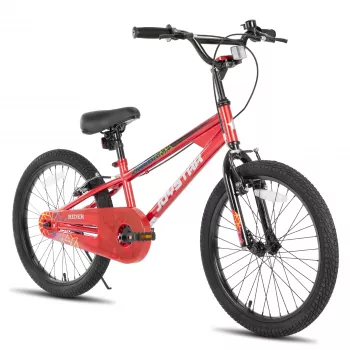
If the riding plan is mostly neighborhood streets, paved paths, and skill-building (smooth braking, steady cornering, controlled stops), a simple, durable setup can be exactly what’s needed. The 20-Inch Kids’ Bike with Durable Carbon Steel Frame and V-Brake System is designed around a 20-inch wheel size for confident handling, with a carbon steel frame aimed at daily durability and V-brakes for straightforward control.
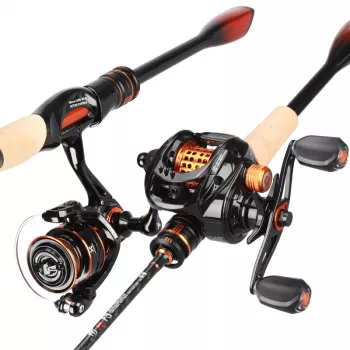
For families planning full outdoor days (ride to the park, then relax by the water), pairing active time with another simple hobby can be a fun routine. If that’s your style, the Carbon Trout Fishing Combo is an easy add-on for low-stress weekend outings.
FAQ
How do you know if a 20-inch bike is the right size for a child?
Look for comfortable stand-over clearance, an easy reach to the handlebars without locked elbows, and brake levers the child can fully squeeze while keeping hands on the grips. Height ranges vary by brand, so these real-world fit checks matter more than a number.
Are V-brakes safe for kids?
Yes—when properly adjusted, V-brakes can provide strong, predictable stopping power for typical kid riding speeds. Keep pads aligned to the rim, ensure cables move smoothly, and have the child practice controlled stops in a safe area.
What maintenance matters most on a kids’ bike used every week?
Prioritize tire pressure, brake function, chain lubrication, and a quick bolt-tightness check on key areas like the handlebar, stem, and seat clamp. If riding is frequent, periodic tune-ups help keep braking and handling consistent.













Leave a comment