Best Bike Size for a 4-Year-Old With Training Wheels
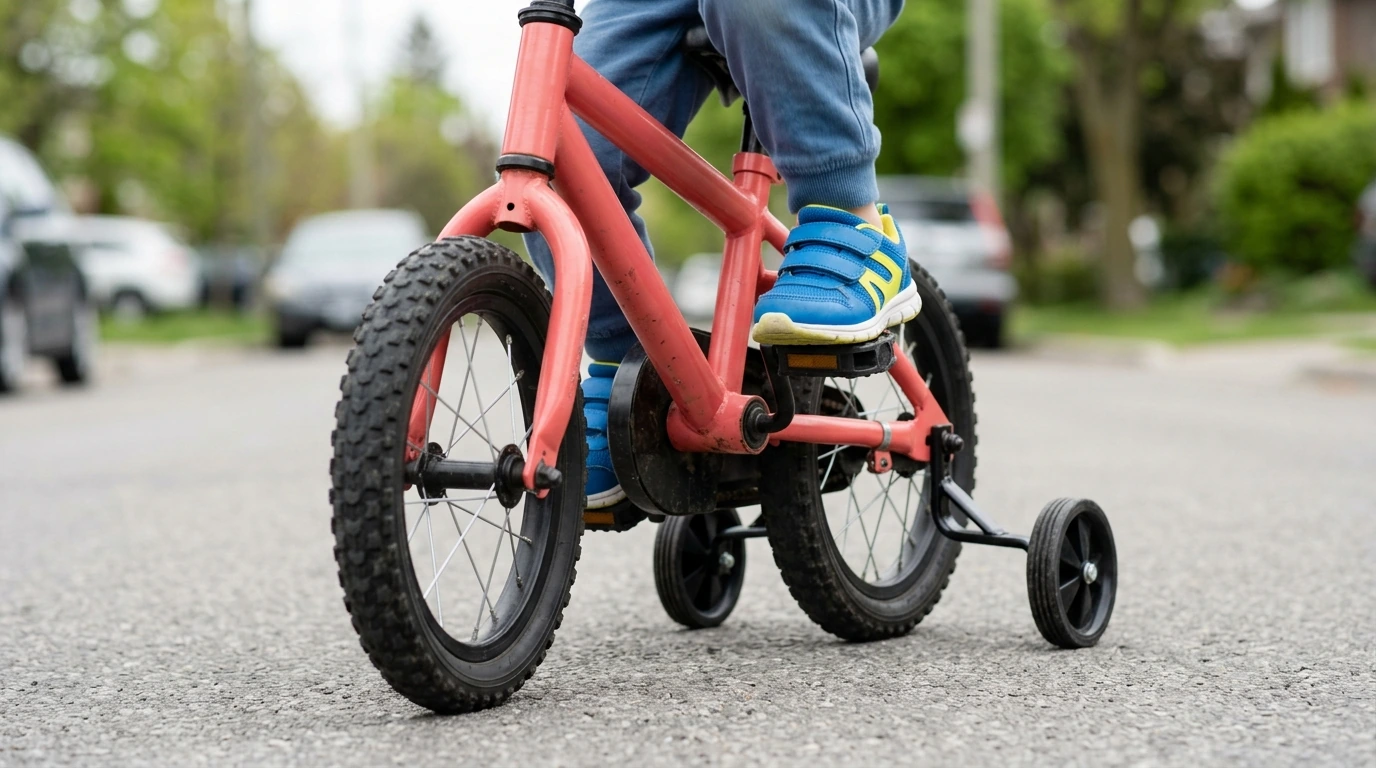
What size bike with training wheels for a 4 year old?
Most 4-year-olds do best on a 12-inch or 16-inch kids’ bike when using training wheels, but the right size depends more on inseam and confidence than age. A properly fitted bike makes training wheels work the way they’re meant to—adding stability while your child learns pedaling and steering—without feeling wobbly or too tall to control.
How to choose the right size
Start with your child’s inseam (from crotch to floor) and match it to the bike’s stand-over and seat height range. With training wheels, it’s especially important that your child can get on and off easily and place the balls of their feet on the ground when the seat is set to a comfortable pedaling height.
When a 12-inch bike is the best fit
A 12-inch bike is often a great match for smaller 4-year-olds or beginners who need extra confidence. If your child is around 36–40 inches tall with a shorter inseam, a 12-inch frame usually offers the easiest starts and stops.
When to move up to a 16-inch bike
A 16-inch bike typically fits taller 4-year-olds (often 40–46 inches tall) or kids who already pedal well and are ready for more speed and stability. If your child’s knees are hitting the handlebars or the seat is maxed out on a 12-inch, it’s time to consider 16-inch.
Fit and safety checks before you buy
Avoid sizing up “to grow into it.” A bike that’s too big can be hard to start, stop, and steer—especially with training wheels, which can tip if the bike is oversized or the wheels are set unevenly. Check that the handlebars are within comfortable reach, brakes (if included) are easy to squeeze, and the training wheels can be mounted level and adjusted correctly.
For a simple size walkthrough and fit tips for both 12- and 16-inch options, see the full guide here: https://fascinira.com/guide-12-16-inch-kids-bike-with-training-wheels-fit-safety/.
FAQ
Should a kid be able to touch the ground when using training wheels?
Yes. They should be able to get stable footing during stops and starts, ideally touching with the balls of their feet while seated at a comfortable pedaling height.











Leave a comment