Remote-Control Foot & Calf Massager With Heat Relief
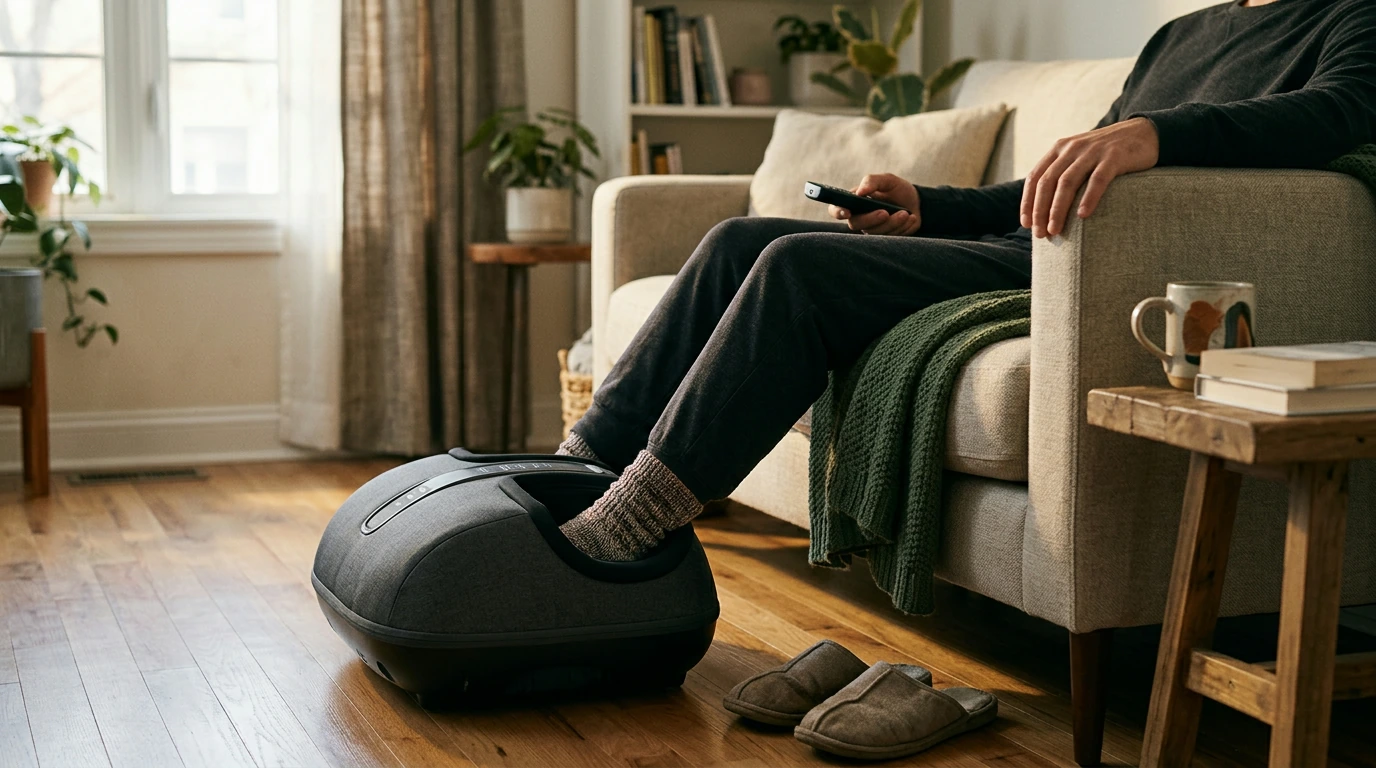
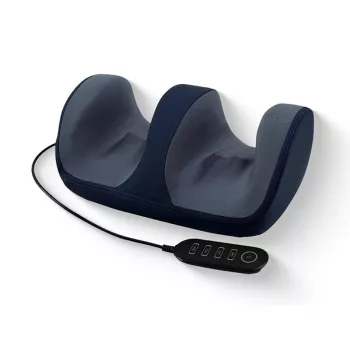
Electric Foot and Calf Massager with Remote Control and Heat Therapy: Unwind From Soles to Calves
Long days on your feet can show up as tight calves, heavy legs, and sore arches at night. An electric foot and calf massager with remote control and heat therapy is designed for that exact end-of-day reset: consistent pressure, optional warmth, and simple controls that let relaxation happen without getting up or fiddling with complicated settings. Our team focuses on comfort upgrades you’ll actually use—because the best recovery tool is the one you can work into your routine without hassle.
Who this massager is made for
If your feet and calves feel “worked over” by the time you get home, a foot-and-calf unit can be a practical, living-room-friendly solution. It’s especially helpful for:
- Workdays that involve standing, walking, or commuting—when calves feel tight and feet feel fatigued.
- Desk days that still lead to stiffness from limited movement and lingering lower-leg tension.
- Post-workout recovery routines that benefit from gentle massage and warming comfort.
- Anyone who wants a reliable at-home way to relax feet and calves without booking appointments.
- Households that prefer easy operation: a remote helps adjust settings mid-session without bending down.
What “remote control + heat therapy” changes in day-to-day use
The difference between “nice in theory” and “used all the time” often comes down to convenience. With a remote, you can stay reclined and make small adjustments without interrupting the session. Heat therapy adds a soothing layer many people associate with easing tight, tired muscles after a long day. If you want background on heat use and common do’s/don’ts, Cleveland Clinic’s overview of heat therapy is a solid reference.
We also like that separate controls (massage vs. heat) let you tailor the feel: massage-only for a quick refresh, or massage-with-heat when you’re settling in for a slower wind-down. Over time, consistent, repeatable sessions make it easier to build a routine—similar duration, similar settings, predictable comfort.
Everyday session goals and how to set the tone
| Goal | Suggested approach | When it fits best |
|---|---|---|
| Quick refresh | Lower intensity; short session; heat optional | Midday break or after errands |
| Deep unwind | Moderate intensity; add heat for warmth | Evening on the couch |
| Post-walk calf relief | Focus on calf coverage; keep intensity comfortable | After long walks or standing shifts |
| Bedtime wind-down | Gentle settings; heat on if cozy | 30–60 minutes before sleep |
How to build a simple routine (without overdoing it)
A massager should leave you feeling looser—not tender or wiped out. Our team recommends starting with a conservative plan and adjusting based on how your legs feel later that night and the next morning.
- Start conservatively: choose a comfortable intensity first, then increase gradually over a few sessions.
- Stay consistent rather than extreme: regular moderate use tends to feel better than occasional overly intense sessions.
- Pair with hydration and light stretching: calves and feet often respond well to gentle stretching after warmth and massage.
- Know “good pressure” vs. pain: discomfort is a signal to reduce intensity or shorten the session.
- Be cautious with symptoms: if swelling, numbness, or sharp pain is present, consider checking with a clinician before using strong massage or heat. Mayo Clinic’s guidance on when to seek care for foot pain can help you decide when to pause and get evaluated.
Comfort and fit considerations for feet and calves
The most comfortable sessions usually come down to positioning and contact. Aim for a snug, stable placement so the massage feels even rather than “slipping” across the foot or calf.
- Go for steady contact: effective massage typically needs consistent touch, not a loose fit.
- Consider thin socks: they can make contact feel smoother and simplify cleaning; avoid bulky seams that can feel distracting under pressure.
- Sensitive calves? begin with lower intensity and shorter duration, then build up as tolerance improves.
- Heat timing matters: warmth tends to feel best once your legs are comfortably settled; toggle heat after you’ve found your placement.
Practical care: keeping it ready for nightly use
When a massager is easy to grab and clean, it’s more likely to become a habit. A few simple care steps can keep it feeling fresh and ready.
- Wipe exterior surfaces with a soft, slightly damp cloth and let dry fully before the next use.
- Store it in an easy-to-reach spot (near the couch, reading chair, or bedside) so the routine feels effortless.
- Avoid damp storage areas; keeping materials dry helps reduce odor over time.
- If sharing between users, consider using socks or wiping contact areas more frequently.
A thoughtful gift that actually gets used
Shop our in-stock picks
- Electric Foot and Calf Massager with Remote Control and Heat Therapy
- Women’s Genuine Leather Retro Office Pumps – 4cm Square Heel Slip-On
- RGB USB Gaming Microphone with Noise Canceling & One-Touch Mute
FAQ
How long should a foot and calf massage session be?
Start with shorter sessions at a comfortable intensity, then adjust based on how your feet and calves feel afterward. Consistency at a moderate level usually feels better than pushing for maximum pressure, and you should stop if you feel pain.
Is heat therapy safe to use every day?
Gentle warmth is commonly used for everyday muscle comfort, but you should avoid excessive heat and follow the device’s safety guidance. If you have circulation issues, neuropathy, or reduced sensation, it’s smart to talk with a clinician before using heat frequently.
Can the remote control change settings while the massager is running?
Yes—remote controls are designed for in-session adjustments like changing intensity or toggling heat without getting up. Keep the remote within reach and make small changes until the pressure feels comfortably supportive.














Leave a comment