Indoor Cat Exercise Wheel Guide: Setup, Safety, Training
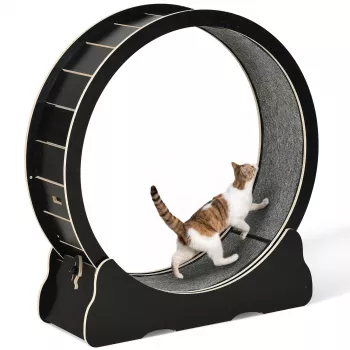
An indoor exercise wheel can help cats burn energy, stay mentally engaged, and keep a consistent activity routine—especially in apartments, harsh weather, or multi-pet homes. The right setup and a gradual training plan are key to making it a positive, safe habit rather than a stressful new object.
What an Exercise Wheel Does (and What It Doesn’t)
A cat exercise wheel creates a reliable way for your cat to move with purpose indoors—anything from a steady trot to quick sprints—when outdoor access is limited or unpredictable. It can also support weight management when paired with measured meals and veterinary guidance, and it offers valuable enrichment for energetic breeds and young cats that seem to need “one more outlet” no matter how much you play.
At the same time, a wheel works best as one piece of a broader routine. It doesn’t replace interactive play, climbing options, window time, puzzle feeders, or social engagement. And it isn’t ideal for every cat: very anxious cats, some seniors, or cats with mobility pain may do better starting with lower-impact enrichment or a veterinarian check before adding structured exercise.
Who Benefits Most
- High-energy cats that zoom, pounce, or vocalize when boredom sets in
- Indoor-only cats with limited space for long chase games
- Cats that gain weight easily or lose condition during seasonal inactivity
- Multi-cat homes where play styles clash (an extra outlet can reduce friction)
- Cats that enjoy repetitive motion once they feel secure and in control
Safety Checks Before Buying and Before Each Session
Small details make the difference between “fun treadmill for cats” and “weird object to avoid.” Prioritize safety before you ever ask your cat to step inside.
- Traction first: Confirm the running surface provides secure grip. Avoid slick surfaces that can cause slipping and sudden panic.
- Stable base: Look for a wheel that won’t wobble during fast sprints. Instability is a common reason cats refuse to use it.
- Safe placement: Choose a spot where the wheel cannot tip or collide with furniture during use.
- Trimmed nails: Keeping nails reasonably trimmed helps prevent snagging and improves footing.
- No forcing: Never push, place, or “shut” a cat into the wheel. Stress can create long-term avoidance.
- Health check: If your cat is limping, wheezing, or showing pain, consult a veterinarian before structured exercise.
For broader guidance on healthy weight and activity, the American Veterinary Medical Association (AVMA) is a strong starting point.
Setting Up the Space for Success
How you introduce the wheel matters as much as the wheel itself. The goal is to make it feel predictable, non-threatening, and easy to approach on your cat’s terms.
- Start quiet: Place the wheel in a low-traffic area at first to reduce startle responses.
- Allow a neutral period: Give your cat time to sniff and explore with zero expectations.
- Use familiar cues: A favored blanket or bed nearby can increase comfort.
- Keep escape routes open: Cats relax more when they can approach and retreat freely.
- Clear the zone: Remove dangling cords, toys, and anything that could tangle while the wheel is moving.
If you’d like more enrichment ideas to pair with wheel time, International Cat Care and the ASPCA both offer practical, cat-centered guidance.
Training Plan: From Curiosity to Confident Running
Most cats do best with a slow introduction that protects confidence. Think in tiny steps and short sessions; ending early is a feature, not a failure.
Stage 1 (Days 1–3): Reward calm investigation
Place treats near the wheel, then on the base, then near the entry. Reward sniffing, looking, or walking around it. No movement required.
Stage 2 (Days 3–7): Invite one or two steps inside
Lure your cat to place a paw or two inside, reward immediately, and end the session. Short, successful interactions build trust faster than “one big attempt.”
Stage 3 (Week 2): Encourage walking
Guide your cat slowly with treats or a wand toy. Aim for 30–90 seconds of calm walking, then stop. If the wheel moves, keep it minimal and controlled.
Stage 4 (Ongoing): Build duration gradually
Daily Routine Ideas (Without Overdoing It)
Cleaning and Maintenance
Quick wheel routine: setup, training, and care
| Task | How often | What to look for |
|---|---|---|
| Traction check | Before sessions | No slick spots; cat’s paws grip without sliding |
| Short training session | 3–6x per week (or daily if the cat enjoys it) | Calm approach; steady walking before faster running |
| Surface wipe-down | 1–2x per week | Less hair buildup; reduced odor; consistent grip |
| Stability/fastener check | Monthly | No wobble; tight hardware; smooth rotation |
A Ready-to-Use Option
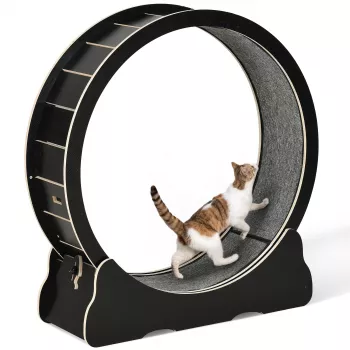
If you want a dedicated at-home outlet for sprinting and walking when outdoor activity isn’t practical, consider the Indoor Cat Exercise Wheel. Best results come from pairing consistent placement with gradual training and short, positive sessions.
For households that like to document progress (or monitor subtle noise changes during maintenance checks), the RGB USB Gaming Microphone with Noise Canceling & One-Touch Mute can be a handy add-on for clear audio while recording training sessions.
FAQ
How long should a cat use an exercise wheel each day?
Start with very short sessions—seconds to a minute—and build gradually. Many cats do best with multiple brief runs rather than one long workout; stop if you see panting, stress, or reluctance.
Are exercise wheels safe for kittens or senior cats?
They can be, with supervision and a gentle pace. Kittens should avoid long, intense sessions, and seniors or cats with arthritis or breathing issues should be cleared by a veterinarian and kept to lower-impact, shorter activity.
Why won’t my cat use the wheel?
Common causes include noise, wobble, a slippery surface, poor placement, or moving too fast in training. Reset to exploration-only, reward curiosity, and reintroduce motion in tiny steps until confidence returns.













Leave a comment