160g Ultralight Baitcasting Reel: Finesse Casting Tips
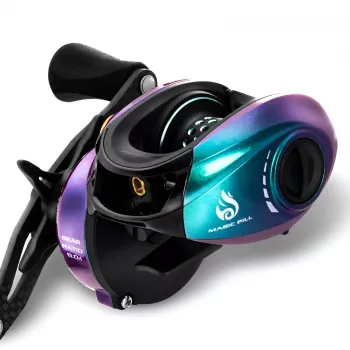
Ultralight Baitcasting Reel 160g: Smooth Casting in a Compact Frame
An ultralight baitcasting reel built around a 160g body can make finesse presentations feel more controlled, reduce wrist fatigue, and improve lure feedback—especially when targeting trout, panfish, and pressured bass. The payoff is a compact reel you can palm all day, with thumb control that helps land a lure quietly and precisely in tight water. Below is what to look for in a lightweight baitcaster, how to set it up for small baits, and how it fits into a balanced ultralight system.
Who an Ultralight Baitcasting Reel Fits Best
A 160g-class ultralight baitcaster tends to shine for anglers who value placement and line control as much as distance. It’s a natural fit in situations where a short, accurate cast is the difference between a strike and spooking fish.
- Finesse anglers throwing small hardbaits, tiny jigs, or lightweight rigs that benefit from accurate, low-impact casting
- River and creek fishing where short, precise casts and quick line control matter
- Anglers wanting a compact reel that reduces hand and forearm fatigue over long sessions
- Those moving from spinning to baitcasting for better thumb control and improved placement around cover
For anglers building a lightweight setup around a compact reel, the Ultralight Baitcasting Reel 160g is designed specifically for that “small reel, big control” feel.
Key Features to Check Before Buying
Ultralight baitcasting doesn’t forgive mismatched components. A lightweight reel helps, but spool design, brakes, and ergonomics determine whether light-lure casting feels smooth or frustrating.
- Weight and balance: a 160g reel pairs best with an ultralight or light rod that doesn’t feel tip-heavy
- Spool design: lighter spools start faster and help with small lures; spool capacity should match thin line choices
- Braking system: adjustable brakes and tension control reduce overruns when lure weight is low
- Drag performance: smooth, consistent drag protects light line and small-wire hooks during runs
- Gear ratio: moderate ratios are versatile; faster ratios help pick up slack quickly on moving presentations
- Handle and knobs: comfortable grip improves control during short casts and frequent retrieves
Quick spec-and-use checklist
| Feature | Why it matters for ultralight lures | What to look for |
|---|---|---|
| Reel weight | Less fatigue; better sensitivity | Around 160g for a compact ultralight build |
| Braking adjustability | Prevents backlashes on light casts | Easy-to-tune brake with multiple settings |
| Spool responsiveness | Improves startup with small baits | Lightweight, shallow, or finesse-oriented spool |
| Drag smoothness | Protects thin line and small hooks | Consistent drag with fine adjustment range |
| Ergonomics | More control with thumb and wrist | Compact frame, comfortable knobs, solid grip |
Setting It Up for Light Lures Without Backlash
Light baits don’t pull line as forcefully, so the spool is more likely to outpace the lure. A clean baseline setup makes the reel feel predictable and keeps practice time productive.
- Spool tension baseline: tighten until side-to-side play is gone, then fine-tune so the lure drops smoothly without a sudden overrun
- Brake-first approach: start with higher brake settings for the first few casts, then reduce gradually as control improves
- Thumb timing: feather the spool early in the cast and apply gentle pressure at splashdown to stop the spool cleanly
- Line choice: thin braid with a leader or quality thin mono/fluoro improves spool startup and casting distance with small baits
- Lure weight reality: ultralight baitcasters still have a practical floor—match lure weights to the reel’s comfort zone for consistent results
A helpful technique tweak is to smooth out the casting stroke: fewer “snap casts,” more controlled acceleration. That steadier load reduces sudden spool speed spikes that cause overruns, especially when skipping under branches or pitching into pockets.
Best Line and Lure Pairings for a 160g Ultralight Baitcaster
With a compact ultralight baitcaster, line choice is part of the casting system. Thinner, smoother line generally helps spool startup, while leaders let you tune visibility and abrasion resistance to the water you fish.
Practical pairings
| Scenario | Line suggestion | Lure types |
|---|---|---|
| Clear creeks | Thin braid + fluorocarbon leader | Small jerkbaits, micro jigs |
| Panfish ponds | Mono | Inline spinners, small crankbaits |
| Light cover | Braid + tougher leader | Compact Texas rigs, small paddletails |
If your fishing leans heavily toward trout and small-stream work, pairing a compact reel with a purpose-built rod can make the whole system feel “one-piece” responsive. The Carbon Trout Fishing Combo is a ready-to-go option for lightweight presentations and quick handling along banks and tight lanes.
Where a Lightweight Baitcaster Beats Spinning (and Where It Doesn’t)
In moving water, that instant spool stop is especially useful: it helps prevent the lure from sailing too far downstream or slapping the surface. For background on how creeks and rivers connect through drainage systems, NOAA’s overview of watersheds is a useful reference.
Care and Maintenance for Smooth Performance
Ultralight Baitcasting Reel 160g: At-a-Glance
For freshwater regulations, seasons, and best practices in many fisheries, consult your local agency; Florida anglers can reference the Florida Fish and Wildlife Conservation Commission (FWC) freshwater fishing resources.
FAQ
What lure weights work best with an ultralight baitcasting reel?
Practical lower limits depend on the spool, brakes, and line, but most anglers do best starting with slightly heavier “easy-cast” finesse lures and working down as tuning and thumb control improve. Once the reel is dialed, lighter hardbaits and compact jigs become more consistent.
How do you reduce backlashes when casting light lures?
Start with a brake-first setup, set spool tension to remove side play, and use a smoother casting stroke. Feather the spool early and stop it at splashdown, and consider thinner line to improve spool startup.
Is a 160g baitcasting reel good for trout and panfish?
Yes—especially for small hardbaits, micro jigs, and other finesse presentations where controlled lure entry helps. Pair it with an ultralight/light rod and appropriately thin line (often braid with a leader or light mono) to keep casting smooth.












Leave a comment