1/4 BJD Full Set: Neutral Anime Style & Pose Guide
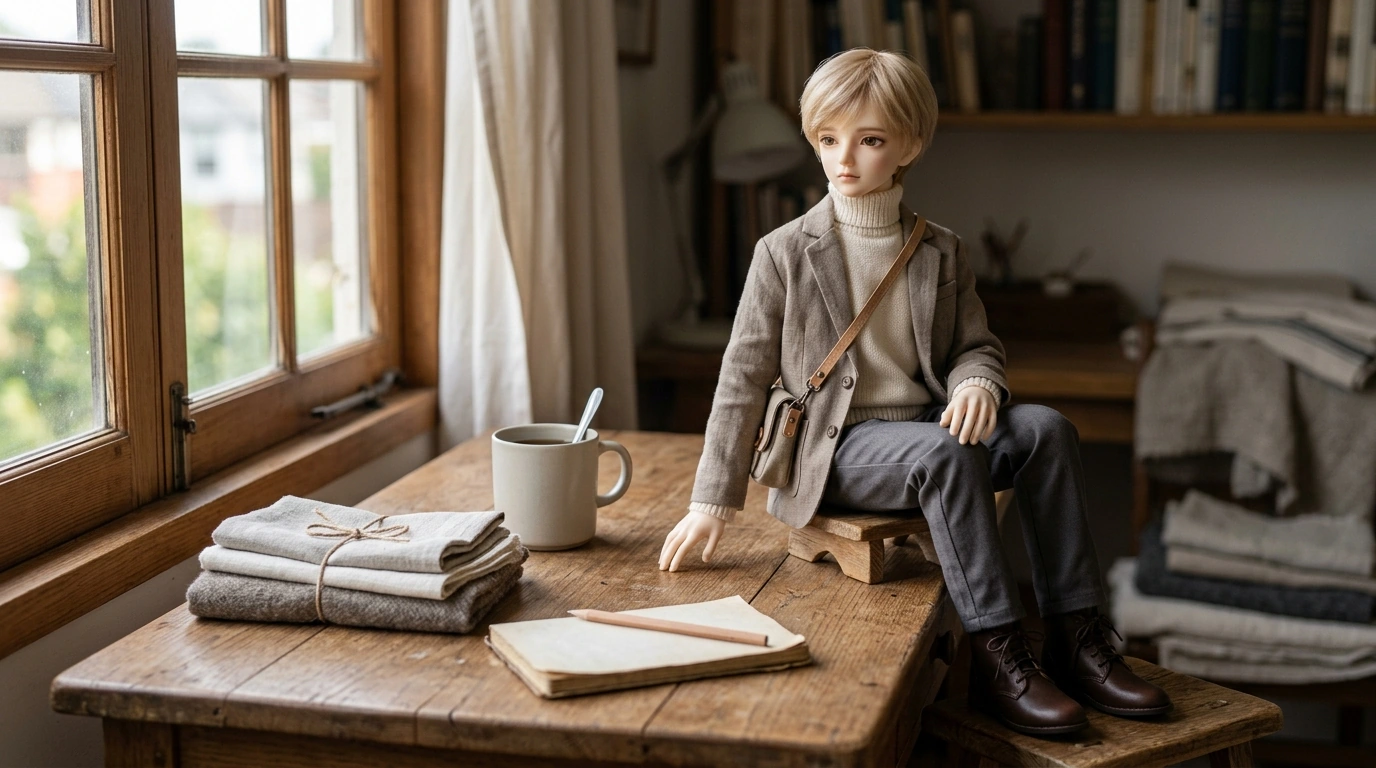
1/4 BJD Full Set: Casual, Neutral Anime Style (Moveable Joints)
A 1/4-scale BJD hits a practical sweet spot: you get expressive posing and styling options without needing a full display cabinet. Our team loves the calm, neutral anime approach because it’s easy to coordinate, easy to photograph, and flexible enough for everyday “slice of life” scenes or longer character-building projects. Below, you’ll find a clear, collector-friendly guide to why a 1/4 full set is so satisfying, how to plan outfits and poses that look natural, and how to keep your doll’s joints and finish looking crisp over time.
Why a 1/4 BJD “full set” is a great starting point
A “full set” takes the guesswork out of your first steps. Instead of hunting for matching pieces across multiple sources, you begin with a cohesive look that’s ready for display and hands-on posing right away. That’s especially helpful when you’re still learning how different fabrics behave at the shoulders, hips, and ankles.
At 1/4 scale, details show up clearly in photos—hands, shoes, layers, and subtle head tilts read well—while still fitting comfortably on a shelf, desk, or in a carry case. Neutral, casual styling also plays nicely with your space; it won’t clash with minimalist decor, soft aesthetics, or streetwear-inspired props, and it gives you a strong base for future outfit upgrades.
Moveable joints are where the character comes alive. A jointed body lets you move beyond stiff “standing doll” vibes and into relaxed stances, seated scenes, and mid-gesture storytelling that feels natural.
What moveable joints change for posing and display
Jointed posing isn’t only about big moves—it’s about micro-adjustments. A few degrees of neck tilt, a softened shoulder line, or a slight hip rotation can turn a pose from “posed” to “caught in the moment.” When you’re aiming for a neutral anime style, those small shifts do a lot of the emotional work.
For stable standing poses, start with balance instead of drama: widen the stance slightly, keep the weight centered, and let one shoulder drop a touch for a casual feel. For seated poses, let the hips carry the weight and use the ankles and knees to refine the silhouette. If a pose looks off, adjust the gaze line—head angle plus hand direction often fixes the whole story.
Quick posing goals for a casual, neutral character
| Pose type | What to adjust | Best for |
|---|---|---|
| Relaxed standing | Feet placement, hip tilt, shoulder drop | Shelf display, outfit checks |
| Seated edge pose | Knee bend, ankle angle, slight forward lean | Desk scenes, photography props |
| Over-the-shoulder look | Neck tilt, torso twist, arm position | Story shots, profile views |
| Hands-in-pockets vibe | Elbow bend, wrist angle, shoulder symmetry | Streetwear styling, casual character moments |
Building a neutral anime-style wardrobe that stays interesting
Neutral doesn’t have to mean plain. The trick is to keep your palette tight while letting texture and silhouette do the heavy lifting. Choose two or three core neutrals (like cream, charcoal, and taupe), then add one accent color only when you want a “new scene” feeling—think muted teal, dusty rose, or a warm rust.
Texture reads beautifully at 1/4 scale. Knits, denim-like weaves, matte cottons, and layered hems add depth without introducing loud prints that overpower the face. For variety, rotate silhouettes: oversized tops versus fitted layers, tapered pants versus relaxed cuts, and simple outerwear that changes the whole outline.
A practical checklist before choosing outfits, wigs, and accessories
Shopping/Styling checklist for a 1/4 full-set BJD
| Item | What to confirm | Why it matters | Works well with neutral anime styling |
|---|---|---|---|
| Outfit pieces | 1/4 sizing; comfortable range of motion at shoulders/hips | Prevents restricted posing and awkward bunching | Yes—clean cuts and simple layers |
| Shoes | Foot size compatibility; easy on/off | Avoids scuffs and makes outfit changes smoother | Yes—sneakers/boots read especially well |
| Wig (if swapping) | Cap size for 1/4; secure fit | Keeps styling consistent and reduces slipping during posing | Yes—natural tones, soft gradients |
| Accessories | Weight and scale; attachment method | Too-heavy items pull poses out of alignment | Yes—minimalist pieces add personality |
| Display support | Stand or seated support if needed | Helps maintain long-term poses safely | Yes—keeps focus on the doll, not the hardware |
Care habits that protect joints, finish, and styling
For general product safety guidance (especially if a doll or accessories will be handled by younger family members), you can review the U.S. Consumer Product Safety Commission toy safety resources and the ASTM F963 toy safety standard overview.
Gift and collection ideas for a calm, everyday character aesthetic
In-stock picks from our store
- 1/4 BJD Doll Full Set with Moveable Joints – Casual Neutral Anime Style
- Women’s Genuine Leather Retro Office Pumps – 4cm Square Heel Slip-On
- RGB USB Gaming Microphone with Noise Canceling & One-Touch Mute
FAQ
What does “full set” mean for a 1/4 BJD?
A “full set” typically means a coordinated, ready-to-display package built around a complete look, usually centered on the doll plus styling components. The main benefit is starting with a cohesive character design instead of assembling essentials one-by-one.
Is a 1/4 BJD a good size for beginners?
Yes—1/4 scale is a popular middle ground that’s easier to dress and pose than smaller dolls while staying more manageable to store and display than larger scales. It’s a comfortable size for learning joint control, outfit layering, and basic doll photography.
How can outfits stay neutral without looking plain?
Use texture, layering, and silhouette changes to create variety while keeping colors muted, then add a single accent color when you want a new mood. Rotating one or two signature accessories (like glasses or a bag) keeps the character consistent but never repetitive.









Leave a comment