Stay Cooler Outdoors: Choosing a Tent for Hot Weather
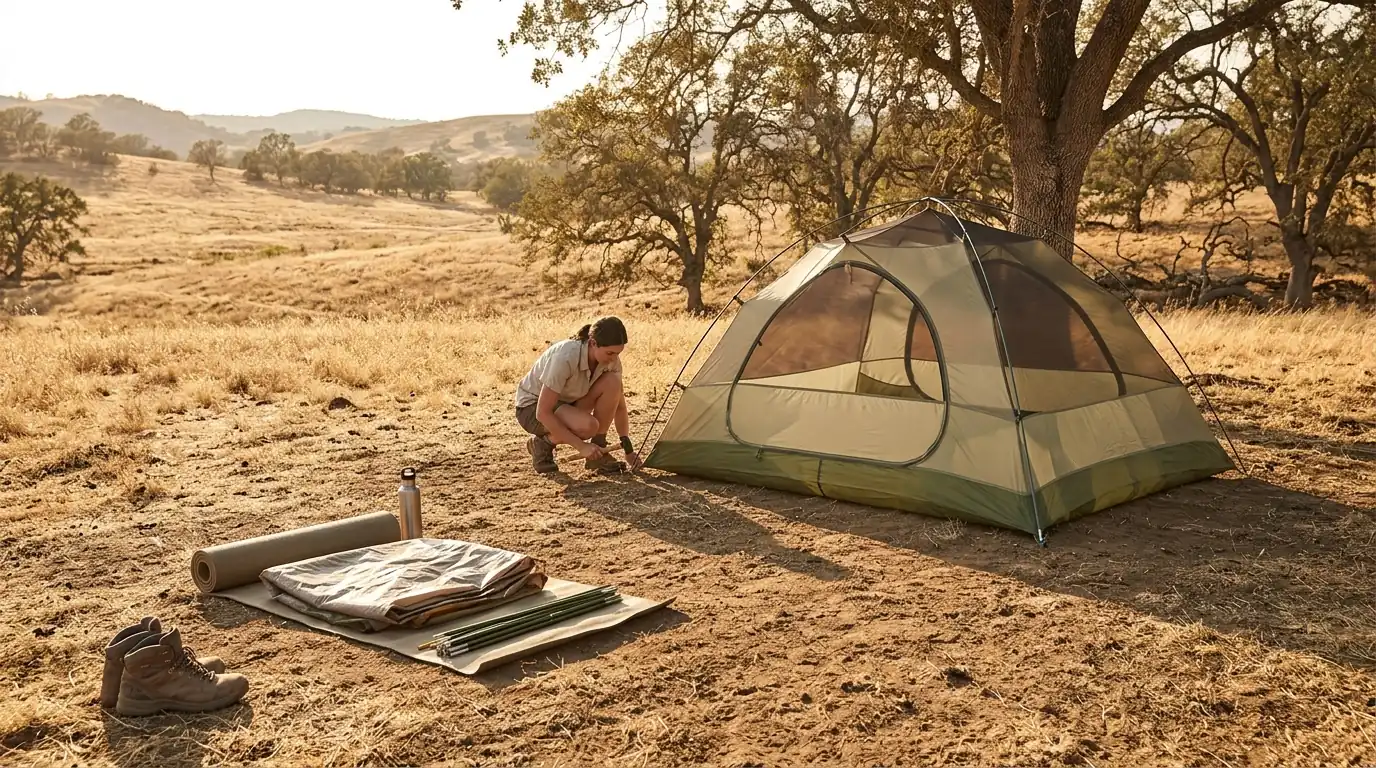
What is the best camping tent for hot weather?
The best hot-weather tent is one that lets heat escape and fresh air move through, while giving you practical protection from sun and rain. Look for generous mesh panels, windows or doors on opposite sides for cross-breezes, and a roof design that promotes airflow. A tent with a roomy cabin-style interior can feel less confined, but ventilation matters more than floor space when temperatures climb.
Also consider how you’ll use the rainfly. A design that allows airflow beneath the fly can help reduce trapped heat while still providing weather protection. Avoid choosing a tent based on quick setup alone: fast-opening features are convenient, but they don’t replace mesh, vents, and a thoughtful pitch location.
Which tent features help with heat?
Prioritize large mesh sections, multiple openings, and high vents that let warm air rise and escape. Two openings facing different directions can encourage a breeze to pass through the tent. A lighter-colored exterior may absorb less sunlight than a dark one, though shade and ventilation still make a major difference.
How does tent shape affect comfort in warm weather?
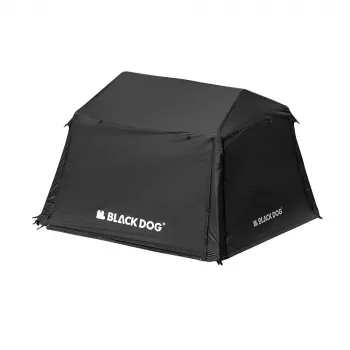
Cabin tents often offer more upright walls and open interior space, which can make changing clothes or organizing gear easier. Some quick-open cabin designs also simplify setup after arrival. Compare the vent and mesh layout before settling on a shape, and consider whether the tent’s size and packed weight suit your campsite and transport needs.
Our guide to a quick-open cabin tent with sun protection and roomy comfort can help you weigh those features together. Use it as a starting point, then choose the ventilation and coverage that match the conditions you expect.
Where should you pitch a tent in hot weather?
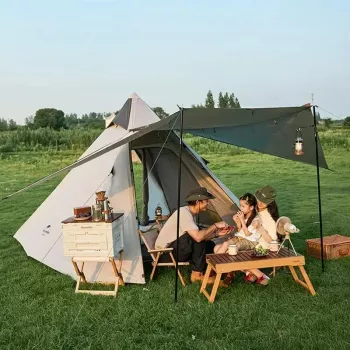
Choose a level site with natural shade when possible, and orient the openings to take advantage of the prevailing breeze. Keep the tent clear of hazards such as dead branches, and use a compatible shade canopy if your campsite has little tree cover. Follow the tent’s setup instructions and secure it properly, especially if wind or storms are possible.
Even a well-ventilated tent can become dangerously hot in direct sun. Use shade and airflow as part of your plan, and move to a cooler location if conditions become unsafe.
FAQ
Should you pitch a tent in direct sunlight?
Whenever possible, pitch in natural shade or add a separate shade shelter with enough space for air to circulate. If direct sun is unavoidable, maximize ventilation and avoid treating the tent as a cool refuge during the hottest part of the day.












Leave a comment