23800W 9-Core Camping Stove: Fast Boil, Stable Legs
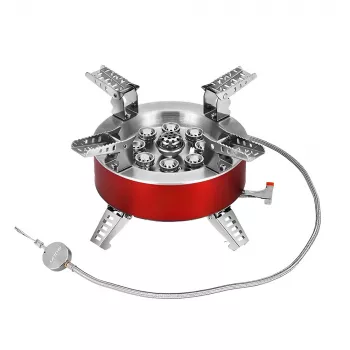
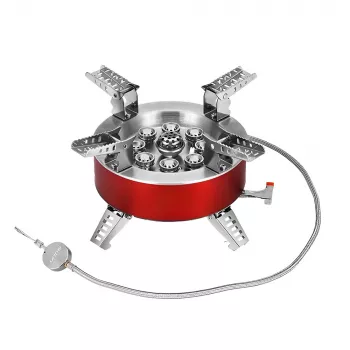
High-Power 9-Core Portable Gas Camping Stove 23800W with Folding Legs: What It’s Built For and How to Use It Well
A high-output portable stove can make the difference between slow simmering and fast, reliable cooking outdoors. This 9-core gas camping stove is designed for big pots, rapid boil times, and stable setup on uneven ground—while still packing down with folding legs for transport. If your outdoor meals involve group portions, tall stockpots, or quick searing, a burner with serious headroom helps you cook on your schedule instead of waiting on the weather.
Quick overview
- High heat output for fast boiling, searing, and group meals
- 9-core burner layout aimed at distributing flame and supporting heavier cookware
- Folding legs improve stability and make storage/travel simpler
- Best suited for car camping, base camps, fishing trips, and outdoor cook stations
| Item | Details |
|---|---|
| Product name | High-Power 9-Core Portable Gas Camping Stove 23800W with Folding Legs |
| Heat output | 23800W (listed) |
| Burner design | 9-core |
| Portability feature | Folding legs |
| Availability | In stock |
| Price | USD $194.97 |
What “9-core” high-output heat is useful for
High-output stoves shine when the goal is speed and recovery—getting a big volume of water boiling, keeping heat steady when wind steals it, or bringing a heavy pan back to temperature after adding food. A multi-core burner pattern is often chosen for broader flame coverage, which can help reduce “cold rings” under larger cookware.
- Rapid boil tasks: pasta water, blanching, hot drinks for groups
- High-heat cooking: stir-fries, hard sears, quick sautéing outdoors
- Large cookware support: wider pots, stockpots, and big skillets when space allows
- Cold-weather cooking: higher output helps overcome heat loss from wind and low temps
- Event-style use: tailgates and outdoor prep where time matters
| Scenario | Why high output helps | Practical tip |
|---|---|---|
| Boiling water fast | Cuts wait time and fuel burn duration | Use a lid and wind protection for best results |
| Cooking for 4–8 people | Handles bigger pots and faster batch cooking | Stage ingredients before lighting to avoid overcooking |
| Windy campsite | Maintains heat better than low-output burners | Set up behind a natural windbreak; keep ventilation open |
| Searing meat | Reaches high pan temps more reliably | Preheat cookware gradually to avoid hotspots |
Folding legs and stability on real ground
Real campsites are rarely perfectly flat. Folding legs are about more than packing convenience—they help you get a wider stance for tall pots and keep the burner level enough for safer stirring and pouring. For best results, think “stable platform first, flame second.” If the pot shifts when you stir, your cooking becomes inconsistent and the risk of tipping goes up.
- Folding legs make transport easier and reduce storage footprint
- A wider stance improves stability for taller pots and vigorous stirring
- Best practice is to place the stove on a firm, non-flammable, level surface
- On uneven sites, level the base with a stable platform rather than rocks that can shift
- Keep handles oriented away from walk paths to reduce tip risk
Practical safety note for outdoor cooking
Use stoves only in well-ventilated outdoor areas and keep clearances around the cooking zone. For additional guidance on safe outdoor cooking practices, see resources from the U.S. Consumer Product Safety Commission (CPSC), the NFPA, and carbon monoxide prevention tips from the CDC.
Fuel and compatibility notes (what to confirm before a trip)
High-output burners are only as dependable as the fuel setup behind them. Before you leave, verify the required fuel type, the correct regulator/adapter, and the condition of hoses and seals. A quick leak test with soapy water is a small step that can prevent big problems.
- Confirm the fuel type required by the stove and bring the correct cylinder and fittings
- Check whether a regulator is required and whether it is included or needs to be purchased separately
- Inspect hoses and seals for wear; replace if cracked or stiff
- Always leak-test connections with soapy water after assembly and before lighting
- Transport cylinders upright and store away from heat sources
How to operate efficiently without wasting fuel
The best way to use a powerful burner is to treat maximum output as a “launch mode,” not an always-on setting. Bring water or cookware up to temperature quickly, then back the flame down to maintain. You’ll usually get steadier results, fewer boilovers, and less scorching—especially with thick sauces or pan frying.
Care, cleaning, and storage
Who this stove fits best (and who should choose something else)
Gear pairing idea for trip prep
If your camp setup overlaps with mornings on the water, pairing a fast cooking station with streamlined fishing gear can make the whole day smoother. For an in-stock option, consider the Carbon Trout Fishing Combo as part of a compact “fish, cook, and pack out” routine.
FAQ
Is 23800W too powerful for regular campsite cooking?
No—high output is optional. Use the high setting to heat quickly, then turn the flame down to maintain a steady boil or controlled sauté, and rely on lids and wind management to prevent scorching or boilovers.
How do folding legs improve safety and cooking performance?
Folding legs can create a wider, steadier stance, which helps reduce tipping risk with large pots and makes it easier to level the stove on imperfect ground. Place the stove on a firm, non-flammable surface and orient pot handles away from foot traffic.
What should be checked before lighting a portable gas stove?
Confirm fuel and regulator compatibility, inspect hoses and seals for damage, and ensure all connections are snug. Perform a soapy-water leak test and keep the cooking area clear and well ventilated before igniting.











Leave a comment