Smart Cordless Wet Dry Vacuum Mop: Faster Clean Floors
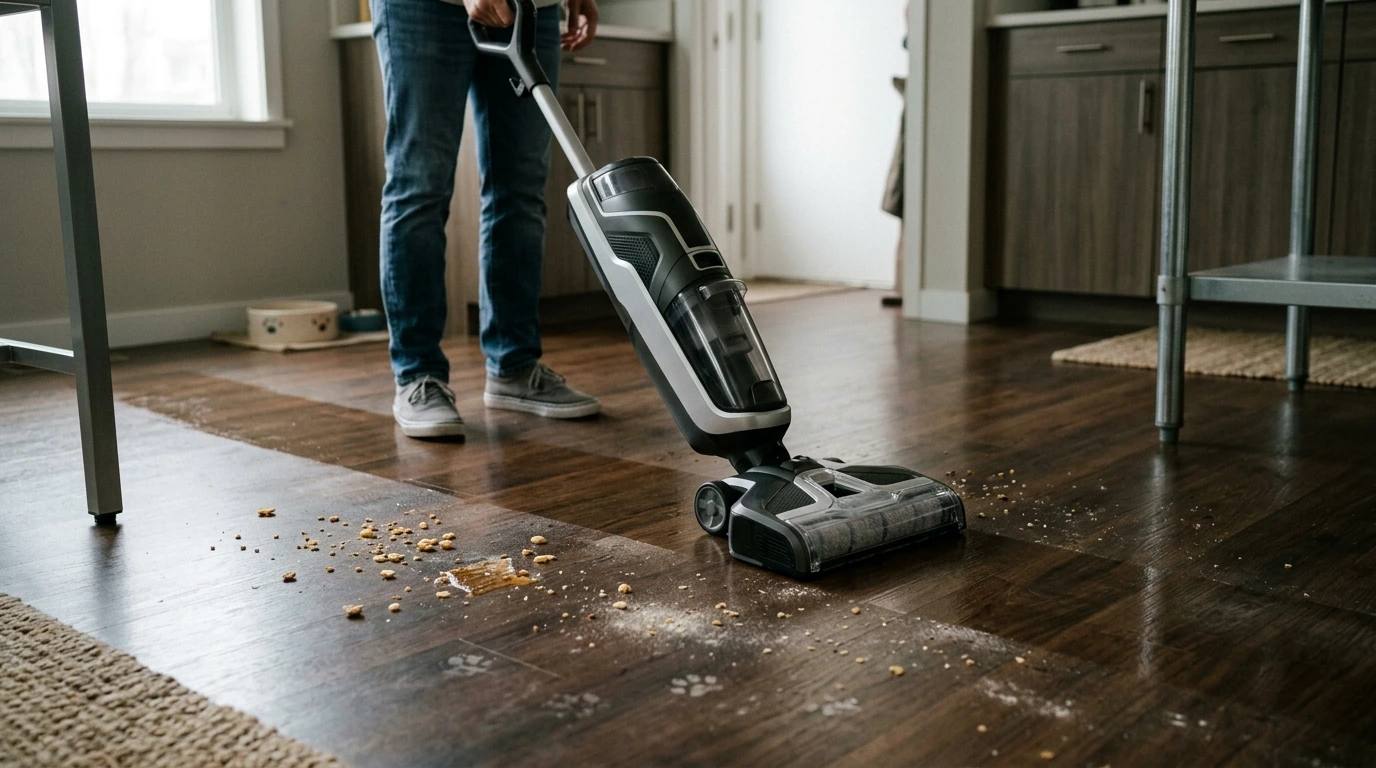
Smart Cordless Wet Dry Vacuum Mop for Fast, Low-Fuss Floor Cleaning
A smart cordless wet dry vacuum mop combines vacuuming and mopping into one routine, helping keep hard floors clean with fewer steps. It’s built for everyday life: crumbs after breakfast, sticky drips near the stove, paw prints by the door, and the constant dust that shows up on dark floors. Below is a practical look at what these machines do well, where they can fall short, and how to get better results with less time spent re-cleaning.
What a wet dry vacuum mop does (and what it doesn’t)
Wet dry vacuum mops are designed to handle routine floor messes on sealed hard surfaces by combining dry pickup with a damp wipe. That blend makes them especially useful for high-traffic areas where “good enough, often” beats “perfect, occasionally.”
- Cleans in one pass by picking up dry debris while wiping with liquid for stuck-on messes on sealed hard floors.
- Helps reduce the “sweep first, mop second” routine for daily maintenance cleaning.
- Not a replacement for deep carpet cleaning; most are intended for hard floors and only handle small rugs (if at all).
- Not designed for large liquid floods; most units are best for spills and routine wet cleaning rather than standing water.
Where it shines: best homes, floors, and messes
These machines tend to earn their keep in spots where floors get dirty faster than anyone wants to pull out a bucket. They work best on sealed surfaces where a controlled amount of moisture is safe and helpful.
- Kitchens and dining areas: crumbs, splatters, and frequent spot-cleaning on tile, sealed wood, laminate, vinyl, and stone.
- Entryways and hallways: tracked-in dust and light wet footprints.
- Pet households: hair tumbleweeds plus paw prints (with extra attention to brush/roller cleaning).
- Apartments and smaller spaces: cordless convenience for quick resets without hauling a bucket and mop.
Common messes and the most effective approach
| Mess type | Best approach | Tips to avoid streaks/odor |
|---|---|---|
| Dry debris (crumbs, dust) | Vacuum + light damp pass | Empty dirty tank after use; avoid over-wetting |
| Sticky spills (sauce, juice) | Pre-wet area, then slow passes | Use a floor-safe solution; rinse/flush if allowed by the model |
| Pet hair + paw prints | Vacuum-mop, then clean roller | Remove hair from roller; dry parts fully to reduce smell |
| Mud or grit | Dry pickup first, then wet pass | Avoid grinding grit into floors; do a quick dry pass before wetting |
Smart features that actually matter day to day
“Smart” can mean different things across brands, but the most useful features are the ones that reduce interruptions and help keep performance consistent across different rooms and messes.
- Auto-adjust suction or water output can help balance runtime and cleaning strength as conditions change.
- Status indicators (battery, tank levels, maintenance prompts) reduce guesswork and mid-clean interruptions.
- Edge and corner reach: look for a head design that cleans close to baseboards and around table legs.
- Self-clean or rinse cycles (if included) make the machine easier to keep fresh, but still require drying and periodic manual cleaning.
If you plan to clean frequently, prioritize easy tank access and roller removal over flashy extras. A machine that’s simple to rinse and dry is more likely to get used (and less likely to develop odors).
How to use it for better results in less time
A wet dry vacuum mop is fast when the technique matches the mess. Small changes—like a quick dry pass or slowing down on sticky spots—often make the difference between a clean floor and a hazy, streaky one.
For cleaning solutions, choose products labeled for your floor type and follow dilution guidance. The EPA’s Safer Choice program can be a helpful reference point when comparing household cleaners.
Maintenance checklist to prevent odor, clogs, and streaks
Simple maintenance schedule
| Task | How often | Why it helps |
|---|---|---|
| Empty and rinse dirty tank | Every use | Reduces odor and bacterial growth |
| Rinse roller/brush head | Every use or every few uses | Prevents streaks and residue transfer |
| Check intake path for clogs | Weekly (or as needed) | Maintains suction and prevents motor strain |
| Deep-clean tanks and head | Monthly | Helps keep performance consistent over time |
For broader guidance on routine cleaning practices, the CDC overview on cleaning and disinfecting is a solid reference for when “cleaning” is enough versus when disinfection is appropriate.
What to look for before buying
Since cordless models rely on lithium-ion batteries, it’s also worth following basic storage and charging best practices. UL Solutions provides a practical overview of lithium-ion battery safety.
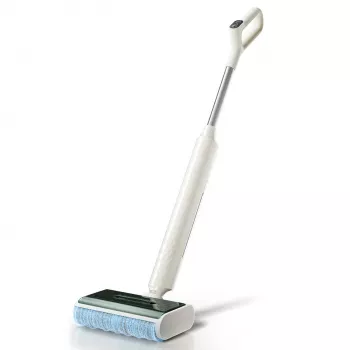
Product option: Smart Cordless Wet Dry Vacuum Mop
- A single-device approach for routine pickup plus wet wiping on sealed hard floors.
- Cordless operation supports quick cleanups in kitchens, dining areas, and entryways without moving plugs.
- A practical choice for maintaining floors between deeper cleans, especially in high-traffic spaces.
- See current pricing, availability, and product details on the item page: Smart Cordless Wet Dry Vacuum Mop.
More in-stock finds
- RGB USB Gaming Microphone with Noise Canceling & One-Touch Mute
- Women’s Genuine Leather Retro Office Pumps – 4cm Square Heel Slip-On
FAQ
Can a wet dry vacuum mop be used on sealed hardwood floors?
Yes, as long as the hardwood is sealed and the machine is intended for hard floors. Use minimal liquid, keep the tool moving, and follow your flooring manufacturer’s care guidance.
Do these machines replace a traditional mop and bucket?
They can replace routine mopping for day-to-day maintenance cleaning. For heavy buildup, sticky corners, or occasional deep-cleaning, a traditional mop or targeted hand scrubbing can still be helpful.
How do you prevent bad smells in the dirty water tank?
Empty and rinse the dirty tank after every use, clean the roller regularly, and let wet components dry fully before storage. Avoid leaving any liquid sitting inside the unit between cleanings.














Leave a comment