Best Hot-Weather Camping Tent: Stay Cool All Night
What is a good camping tent that stays cool in hot weather?
Answer
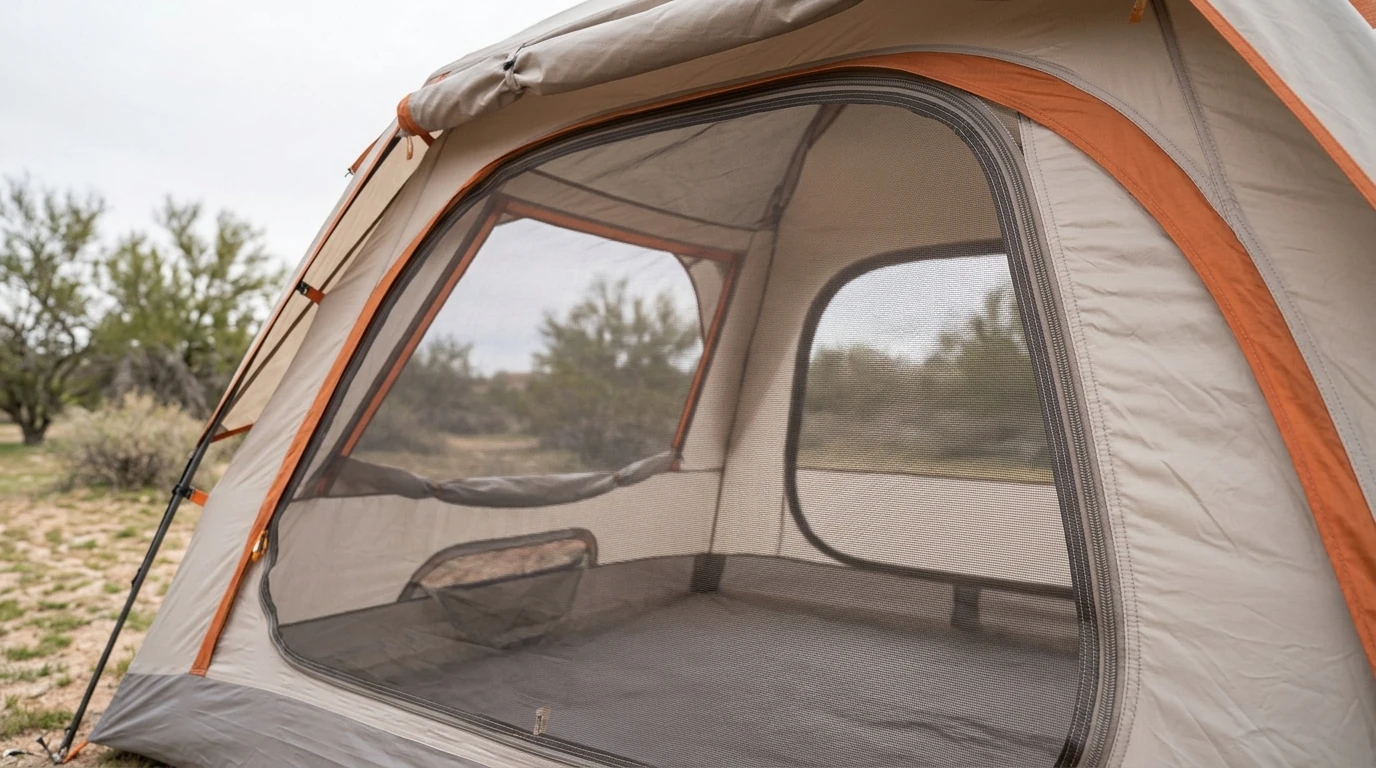
A good hot-weather camping tent is one that maximizes airflow, blocks harsh sun, and gives warm air a place to rise and escape. For most summer campers, a cabin-style tent with near-vertical walls, large mesh panels, and an effective rainfly (or awning-style coverage) tends to feel noticeably cooler than low-profile designs that trap heat.
Look for these heat-friendly features when choosing a tent:
1) Lots of mesh and multiple doors/windows. Big mesh sections create cross-breezes, especially if you can open panels on opposite sides. Two doors aren’t just for convenience—they help you “tune” ventilation as the wind shifts.
2) A rainfly that doesn’t smother ventilation. In hot weather, a full-coverage fly can reduce airflow if it sits too close to the tent body. A well-designed fly or sun-shade setup should still allow air to move while protecting you from direct rays and sudden showers.
3) Higher peak height and roomy interior volume. Heat rises. A taller cabin tent gives hot air a place to collect above your sleeping zone, which can make the tent feel less stuffy at night.
4) UV/sun protection and shade-oriented design. Even the best ventilation struggles in direct midday sun. Shade-forward features—like an extended porch/awning area, reflective or sun-resistant materials, and smart fly geometry—help reduce radiant heat gain.
If a quick setup and sun-friendly, spacious comfort are priorities, a quick-open cabin tent designed with sun protection and generous ventilation is a strong match for hot-weather trips. For a deeper breakdown of what to look for (including layout and coverage considerations), see this guide: quick-open cabin tent with sun protection and roomy comfort.
FAQ
How do I keep my tent from getting damp inside overnight?
Ventilate as much as conditions allow by cracking opposing windows/doors and keeping mesh panels uncovered. Avoid drying wet clothes inside, and use a groundsheet that doesn’t extend beyond the tent floor so it won’t funnel rainwater underneath.












Leave a comment