Boom-Arm USB Mic Kit: RGB Lighting + One-Touch Mute
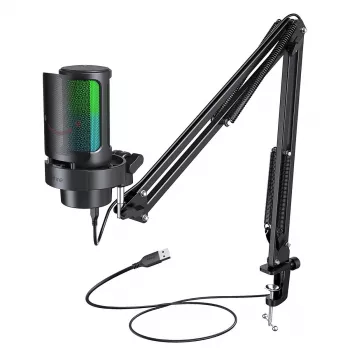
USB Microphone Kit with Boom Arm, RGB Lighting & Mute Control for Streaming
A complete USB mic kit can clean up desk space, speed up setup, and make it easier to control audio live. A boom arm keeps the microphone where it needs to be (close to your voice), RGB lighting gives quick visual confirmation, and a one-touch mute helps prevent “hot mic” moments during streams, calls, and recordings. Below is what to expect from a boom-arm USB microphone with RGB lighting and a hardware mute, how to get it dialed in quickly, and how it stacks up against another in-stock option. For more guidance, see Maono PD200X USB/XLR Dynamic Microphone – LanOC Reviews.
What This Microphone Kit Is Designed to Do
A boom-arm USB microphone kit is built for fast, repeatable results—especially when you’re switching between streaming, gaming chat, and work calls. For further reading, see RGB Gaming Microphone Kit with Gain Control Mute Button and ….
- Provide a straightforward USB connection for quick setup on common streaming and gaming rigs
- Add an adjustable boom arm for closer mic placement and reduced desk vibration
- Offer at-a-glance status and style with RGB lighting while keeping controls within reach
- Enable fast mute control during live streams, calls, and recordings
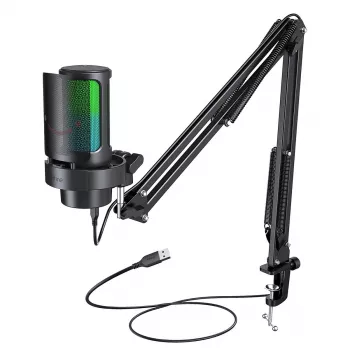
If you want an all-in-one starting point, the USB Microphone Kit with Boom Arm, RGB Lighting & Mute Control for Streaming focuses on the things that make day-to-day use easier: placement flexibility, quick control, and a cleaner desk layout.
What’s Included and How to Set It Up
Most “kit-style” USB microphones aim to remove the guesswork: mount the arm, place the mic, plug in USB, and pick the right input in your apps. The biggest performance boost usually comes from positioning—getting the microphone close enough that you don’t need excessive gain.
- Mount the boom arm securely to a stable desk edge; tighten joints so the mic holds position without drooping
- Position the microphone 6–10 inches from the mouth and slightly off-center to reduce plosives
- Connect via USB, then select the microphone as the input device in the operating system and streaming app
- Do a quick level check: speak at streaming volume, adjust input level to avoid clipping while keeping a strong signal
Fast setup checklist
| Step | Goal | Quick tip |
|---|---|---|
| Mount boom arm | Stable placement | Clamp to a solid surface; avoid thin or wobbly desk edges |
| Set mic distance | Clear voice with less room noise | Keep 6–10 inches and aim past the capsule, not directly into it |
| Select input device | Correct mic used in apps | Confirm in OS sound settings and in OBS/Discord/Zoom |
| Set input level | No distortion, consistent volume | Peak around -12 dB to -6 dB in your streaming meter |
Controls That Matter During Live Use
Streaming and real-time chat are less forgiving than post-production recordings. The most useful features are the ones that help you react instantly, without digging through software menus.
- Mute control: Ideal for coughs, quick off-mic moments, and preventing accidental background audio from going live.
- RGB lighting: Helpful for confirming the mic is active at a glance, especially in dim setups or when you’re focused on gameplay.
- Boom arm positioning: Keeps the mic close without blocking screens, and lets you swing it away between sessions.
- Cable management: Route the USB cable along the arm to reduce tugging and accidental disconnects.
For stream software tips like noise gate and compressor filters, the OBS Studio Filters Guide is a reliable reference for getting a cleaner, more controlled voice sound.
Sound Quality and Getting a Cleaner Voice
“Better mic sound” usually comes from three simple habits: get closer, lower the gain, and reduce what the mic can hear besides your voice. A boom arm makes that first part effortless.
For voice chat platforms, reviewing input and processing settings inside the app is often the fastest fix. Discord’s Voice & Video Settings guide is a solid place to confirm the correct input device and tune sensitivity.
Best Use Cases: Streaming, Gaming Chat, Podcasts, and Work Calls
Quick Comparison with Another In-Stock Option
In-stock USB mic options at a glance
| Product | Best for | Notable features | Price (USD) |
|---|---|---|---|
| USB Microphone Kit with Boom Arm, RGB Lighting & Mute Control for Streaming | Streamers who want adjustable placement | Boom arm kit, RGB lighting, quick mute control | 64.32 |
| RGB USB Gaming Microphone with Noise Canceling & One-Touch Mute | Gaming and calls with a compact setup | RGB styling, noise canceling focus, one-touch mute | 50.51 |
Care, Placement, and Troubleshooting
If Windows isn’t recognizing the mic correctly, Microsoft’s troubleshooting steps can help isolate whether it’s an app setting, device permission, or driver issue: Fix microphone problems in Windows.
FAQ
Does a USB microphone work directly with OBS Studio for streaming?
Yes—add it as an audio input capture device in OBS, select the USB mic, and confirm the same sample rate is used in both OBS and your system sound settings. Then set levels so your voice peaks around -12 dB to -6 dB and add filters like a noise gate and gentle compression if needed.
How far should the microphone be from the mouth for clear streaming audio?
A practical starting point is 6–10 inches away, aimed slightly off-axis so bursts of air don’t hit the capsule directly. Staying close lets you keep gain lower, which reduces room noise and makes your voice sound more present.
What’s the fastest way to mute the mic during a live stream?
Use the microphone’s hardware one-touch mute when it’s available, since it’s immediate and doesn’t depend on the active app window. For extra safety, set a mute hotkey in OBS or your chat app as a backup.












Leave a comment