Waterproof 3–4 Person Pyramid Tent for Wind & Rain
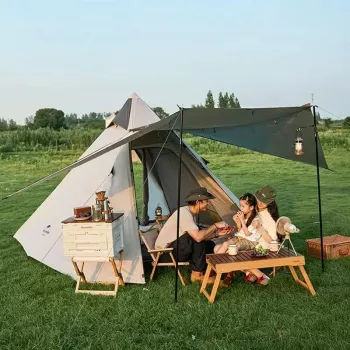
Waterproof 3–4 Person Pyramid Tent: A Reliable Large Shelter for Camping and Hiking
A pyramid-style shelter is built for fast setup, strong wind performance, and efficient use of space—especially when weather turns. A waterproof 3–4 person pyramid tent is a smart pick for weekend campouts, shared hiking shelters, and shoulder-season trips where rain, gusts, and damp ground are part of the deal. Below is a practical breakdown of why the shape works, what “3–4 person” feels like in real use, how to pitch it securely on different terrain, and how to keep it performing year after year.
Why a Pyramid Tent Works So Well Outdoors
Pyramid tents have earned a reputation for stability because their geometry naturally supports bad-weather pitching. Instead of relying on multiple long poles and broad flat panels, the design focuses on a centered structure and steep walls that shrug off wind and precipitation.
- Wind-shedding shape: Sloped sides help reduce buffeting compared with vertical-wall designs, especially when gusts hit at night.
- Simple structure: Fewer poles and a central support concept can mean quicker pitching and fewer failure points when conditions get messy.
- Space efficiency: Generous headroom near the center creates a usable “living zone,” while the perimeter still fits sleeping pads and gear.
- Good for varied trips: A solid fit for car camping basecamps, group hikes, and shoulder-season outings when rain is likely.
If you’re comparing shapes, a pyramid shelter tends to reward careful staking and guying more than almost any other style—do that well and you get a very confidence-inspiring pitch.
Capacity and Comfort: What “3–4 Person” Means in Real Use
Capacity ratings are best treated as a starting point. Real comfort depends on sleeping pad width, how much gear stays inside, and whether you’re weathered-in and spending extra time under shelter.
- Sleeping reality: Three adults on standard-width pads is usually comfortable; four adults can be tight unless pads are narrow and gear is stored outside or stacked.
- Family setup: Two adults plus one or two kids often fits well, with room along the edges for bags.
- Gear planning: Wet-weather trips need extra space for boots, rain gear, and a protected area to keep items dry.
- Best practice: When storms are expected, extra elbow room helps keep sleeping bags away from damp walls and reduces accidental contact with condensation.
Practical capacity planning
| Group | Comfortable fit | Notes for rainy conditions |
|---|---|---|
| 2 adults | Spacious | Room for packs inside; easier condensation management |
| 3 adults | Comfortable | Keep gear near perimeter; use a small tarp/groundsheet for organization |
| 4 people | Snug | Plan strict gear placement; consider storing some items under a vestibule/tarp |
Weather Protection: Waterproofing, Seams, and the Ground Interface
“Waterproof” is more than a fabric label. Real rain protection comes from a system: the canopy coating, seam construction, floor durability, and a pitch that keeps water moving off the tent instead of pooling.
Before any trip with storm potential, it’s also worth checking current advisories and regional hazards through the NOAA National Weather Service safety resources.
Setup Basics: A Reliable Pitch in Under 10 Minutes
- Pick a safe site: Choose a slightly elevated, flatter spot with natural windbreaks, but avoid camping under dead limbs. The National Park Service camping safety guidance is a helpful reminder for site awareness.
- Lay out and stake corners: Square (or evenly tension) the base first; it determines everything above it. Position the door away from wind-driven rain when possible.
- Insert the center support: Keep the pole stable and vertical, and confirm the peak is seated correctly so it can’t slip during gusts.
- Tension evenly: Walk the perimeter and adjust stakes to remove slack—this reduces flapping, noise, and fabric wear.
- Use guylines early: Add guylines before wind increases; they dramatically improve stability and reduce stress at key tie-out points.
For group trips, a dependable shelter you can pitch quickly is a major comfort upgrade. See the Waterproof 3-4 Person Pyramid Tent – Large Outdoor Camping Hiking Shelter for a spacious pyramid-style option built for wet-weather camping and hiking.
Condensation and Ventilation: Staying Dry Inside
Good habits outside the tent help, too—follow the Leave No Trace Seven Principles to keep campsites cleaner and reduce muddy, wet gear coming inside.
Durability and Storm Worthiness: Stakes, Guylines, and Terrain Tips
Anchoring options by terrain
| Terrain | Best anchoring method | Quick tip |
|---|---|---|
| Soft soil/forest duff | Standard stakes + guylines | Re-check tension after the first hour |
| Sand/snow | Deadman anchors or sand/snow stakes | Bury anchors horizontally and compact the surface |
| Rocky ground | Rock anchors + limited staking | Wrap loops around rocks; protect fabric from sharp edges |
Care and Storage: Keeping Waterproof Performance Season After Season
A Solid Option for Group Trips and Wet-Weather Camps
For an outdoors-ready shelter plus a lightweight add-on for campsite downtime, consider pairing your shelter with the Carbon Trout Fishing Combo for lake days and relaxed evenings at camp.
FAQ
Will a pyramid tent stay stable in strong wind?
Yes—its sloped sides help shed wind rather than catching it. Proper tensioning, fully deployed guylines, and smart site choice (using natural windbreaks and avoiding exposed ridgelines) make a major difference in stability.
How do you reduce condensation inside a waterproof tent?
Vent whenever possible, keep wet gear contained, and avoid letting sleeping bags touch the walls. In the morning, wipe down interior moisture before packing to reduce dampness and mildew risk.
Is a 3–4 person tent comfortable for four adults?
It can fit four adults, but it’s typically snug with standard-width pads and indoor gear storage. Many groups treat it as a roomy three-person shelter when rain is expected or when comfort is a priority.













Leave a comment