Choosing a Bike for a 5-Year-Old: 16 or 20 Inch?
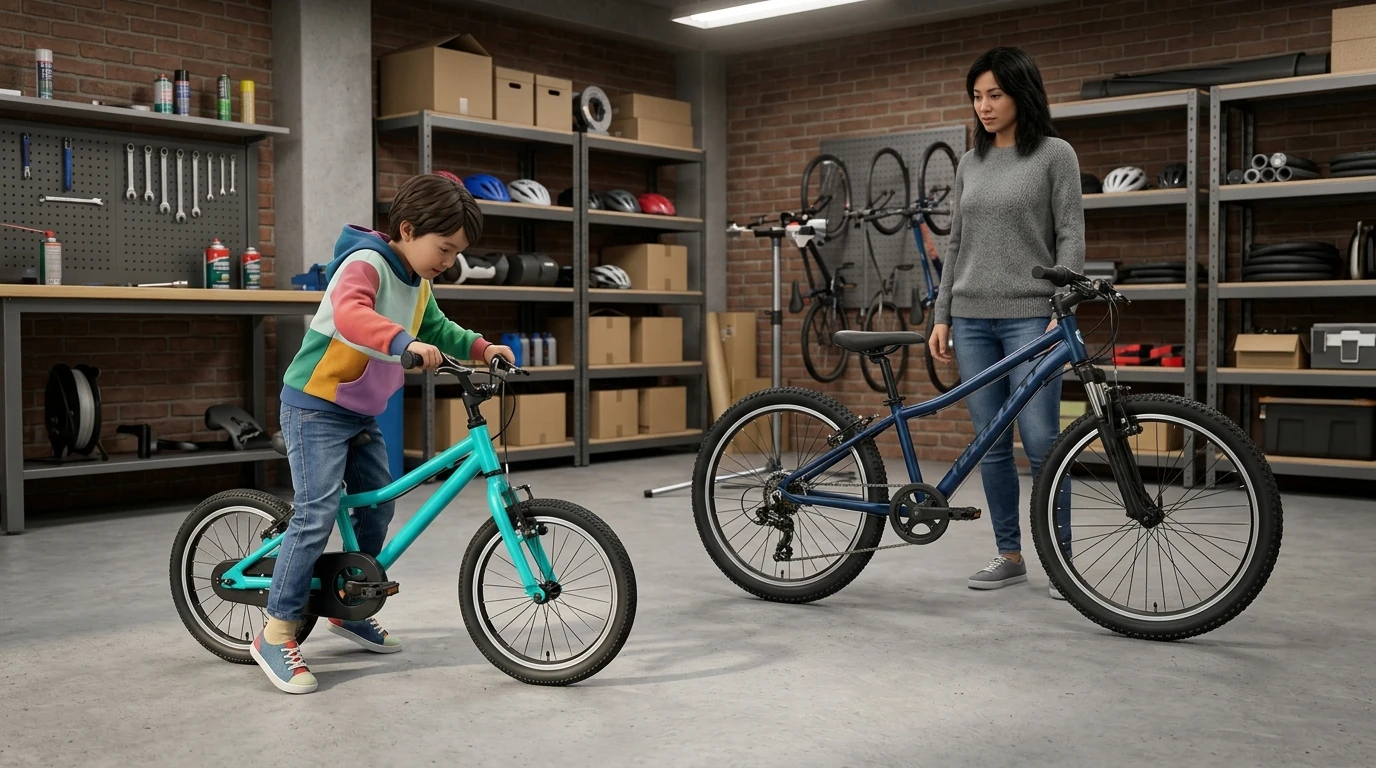
Which size is usually right for a 5-year-old?
For many 5-year-olds, a 16-inch bike is the better starting point, but age alone can’t settle the choice. A 20-inch bike may fit a taller child with longer legs and enough riding experience to manage its larger frame. Bike sizing varies by brand and model, so use your child’s height and inseam alongside the manufacturer’s size chart.
Our general rule: choose the bike your child can control today, not the one they might grow into. A bike that is too large can make starting, stopping, and steering harder—and may discourage a new rider.
How do you tell whether the bike fits?
Have your child try the bike while wearing their usual riding shoes and a properly fitted helmet. When they straddle it with both feet on the ground, they should have clearance over the frame. They should also be able to reach the handlebars without stretching and operate the brakes comfortably.
Ask your child to walk the bike, turn it, get on and off, and practice stopping. If the bike feels heavy or difficult to control, try the smaller size. For a beginner, confidence and control matter more than getting extra years of use from a larger bike.
What’s different about 16- and 20-inch bikes?
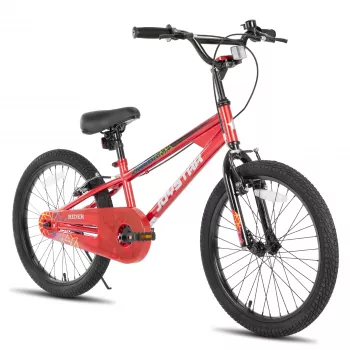
A 16-inch bike is often a manageable option for younger or less experienced riders. Many 20-inch models have a larger frame and may feel heavier or have features such as multiple gears or hand brakes. Those features can be useful, but only if your child can reach and use the controls reliably. Compare the actual bikes rather than assuming every bike with the same wheel size will fit or handle alike.
Should you buy a 20-inch bike to allow for growth?
Not if your child can’t ride it safely now. A slightly roomier fit may be reasonable when your child can still mount, steer, and stop with control, but avoid a bike they have to stretch or tiptoe to manage. Reassess fit as your child grows, and adjust the seat and handlebars within the bike’s limits.
Where can you learn more about bike fit and safety?
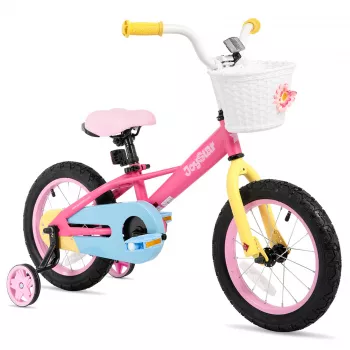
For additional guidance on choosing a smaller kids’ bike and using training wheels, visit our guide to 12- and 16-inch kids’ bikes, fit, and safety.
FAQ
Do training wheels help a child learn to ride?
Training wheels can help a child get comfortable pedaling, but they don’t teach balancing on two wheels. When your child is ready, you can remove them and practice balance and steering in a flat, traffic-free area with a helmet on.













Leave a comment