Electric ATV Speeds: What to Expect by Age and Model
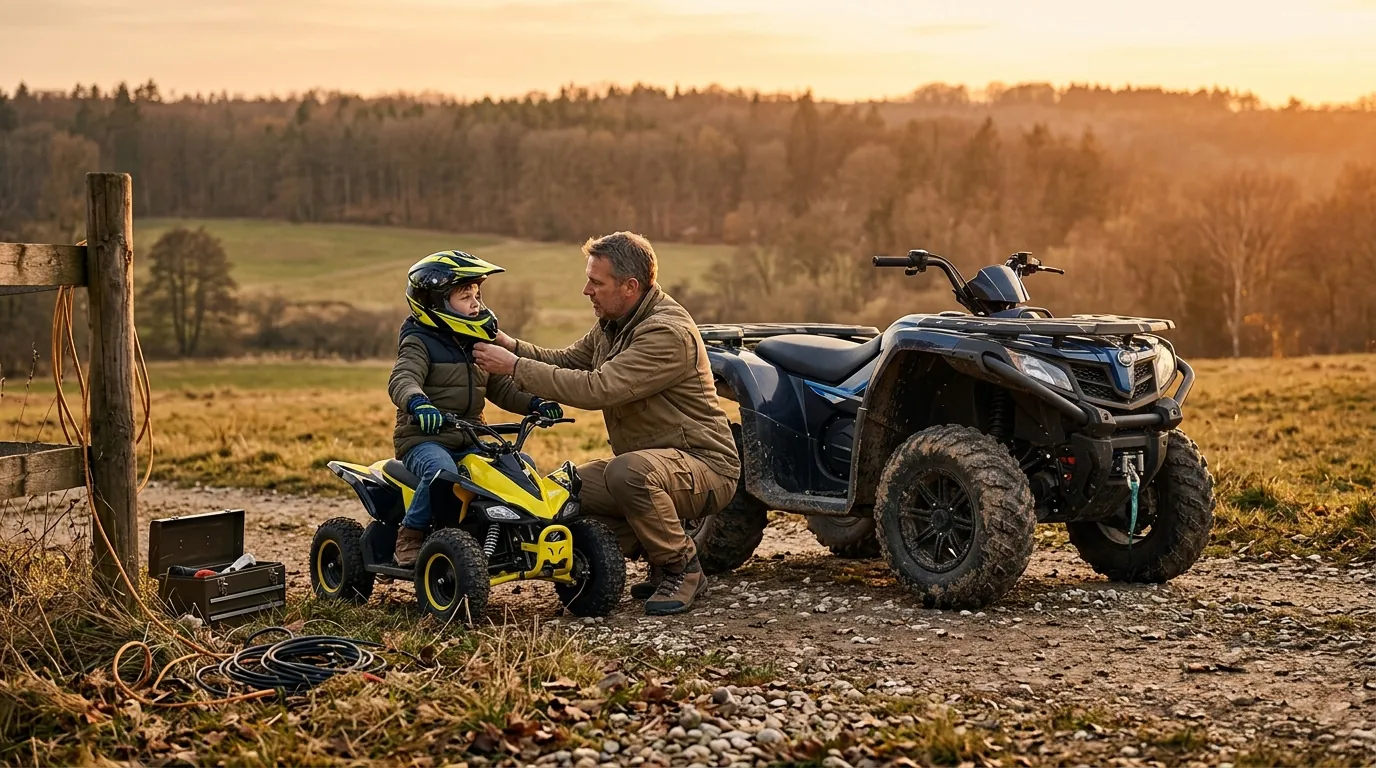
How fast do electric ATVs go?
Electric ATV speed depends on the vehicle’s size, motor, battery, terrain, and intended rider. Full-size electric ATVs can reach roughly 20 to 50 mph, while youth models are generally slower. Kids’ battery-powered ride-on ATVs are much slower still, often traveling at walking pace or a brisk jog. These are broad ranges, not guaranteed speeds for every model.
For a children’s ride-on, don’t assume that a 24-volt battery tells you the exact top speed. Voltage is only one part of the design; the motor, gearing, speed settings, rider’s weight, and riding surface also affect how fast it moves. Grass, slopes, and soft ground can slow a ride-on compared with a flat, firm surface.
What affects an electric ATV’s speed?
Motor output and gearing help determine the vehicle’s potential speed, while battery charge and rider load can affect how it performs during a ride. A speed limiter or selectable speed mode may keep a youth vehicle within a more manageable range. For a ride-on, look for clear speed information and controls that let an adult choose a suitable setting.
Surface matters, too. A ride-on may move differently on pavement than it does on grass or uneven ground. Four-wheel drive and suspension can help with traction and comfort on suitable terrain, but they do not establish a specific top speed on their own.
How should you choose a speed for a child?
Choose a vehicle that matches the child’s age, coordination, and experience—not just the highest speed available. Start with the slowest setting, use the ATV only in an appropriate open area, and supervise closely. A child should wear a properly fitted helmet and follow the manufacturer’s age, weight, and safety instructions. Keep ride-on toys away from roads, steep slopes, and traffic.
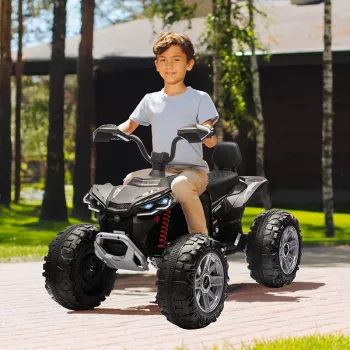
Our guide to the 24V XXL kids’ ride-on ATV, four-wheel drive, suspension, and speed tips offers more product-focused guidance. Compare the listed speed and controls with where you plan to ride, and remember that a ride-on toy is not a full-size ATV.
FAQ
What should you look for in an electric kids’ ATV?
Look for an age-appropriate design, a manageable speed setting, accessible adult controls, and a clear rider weight limit. Match the vehicle’s intended terrain to your riding area, and use the required protective gear.













Leave a comment