Clean Wireless Mechanical Keyboard: RGB, Gasket & Rest
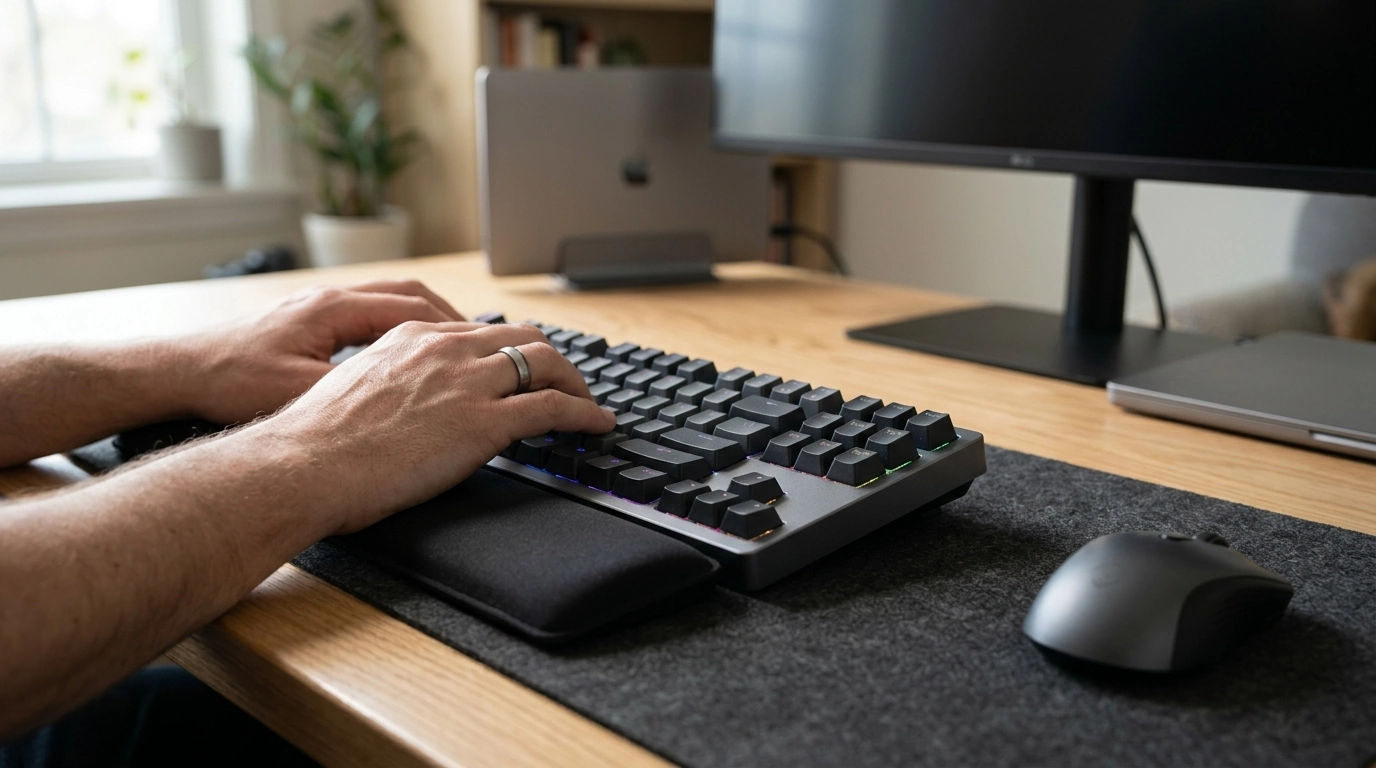
Wireless Mechanical Gaming Keyboard with RGB, Gasket Mount & Wrist Rest: Comfort, Feel, and Clean Setup
A wireless mechanical keyboard can make a gaming or work setup feel instantly cleaner—no cable drag, more desk flexibility, and easier device switching. This model pairs wireless connectivity with a gasket-mounted build for a softer, quieter typing feel, plus RGB lighting and a wrist rest aimed at longer sessions. Below is a practical breakdown of what each feature changes in day-to-day use and what to check before buying.
What makes this keyboard different
- Wireless freedom for a tidier desk and easier positioning during gaming or creative work.
- Mechanical switches for consistent actuation, faster repeats, and a more precise feel than most membrane boards.
- Gasket mount structure designed to reduce harsh bottom-out and dampen vibration for a smoother sound profile.
- RGB lighting for visibility and personalization, with the option to keep it subtle or turn it off for battery savings.
- Included wrist rest to support a more neutral hand angle during extended sessions.
If you want a single upgrade that changes both how your desk looks and how your inputs feel, the Wireless Mechanical Gaming Keyboard with RGB, Gasket Mount & Wrist Rest is built around that “clean setup + comfortable keystroke” combination.
Quick specs snapshot
Use this table as a checklist when comparing boards in the same price tier. Confirm connection types, charging method, layout size, and whether the wrist rest is detachable.
Feature checklist
| Category | What to look for | Why it matters |
|---|---|---|
| Connectivity | Wireless mode(s) + wired option | Wireless reduces clutter; wired is useful for charging or zero-latency preference. |
| Mounting style | Gasket mount | Softer keystroke feel and reduced case ping compared with rigid tray mounts. |
| Lighting | RGB with adjustable brightness/effects | Visibility in low light and customization; can be disabled to extend battery life. |
| Ergonomics | Wrist rest included | Reduces wrist extension and fatigue for longer gaming/typing sessions. |
| Build feel | Sturdy case + minimal flex | Stability improves accuracy and reduces rattles. |
| Use case fit | Gaming + daily typing | Balanced tuning matters if the keyboard is used beyond gaming. |
| Value | Price vs. features | Gasket mount + wireless + wrist rest typically places a board in a higher feature bracket. |
Wireless performance: stability, latency, and daily convenience
Wireless is most noticeable in desk comfort. Without a cable pulling from one side, it’s easier to center the keyboard, rotate it slightly for a more natural shoulder angle, or slide it out of the way when you need extra mouse room. That kind of flexibility is especially helpful on compact desks where every inch matters.
For gaming, stability is the priority. A reliable connection with minimal dropouts keeps movement and ability timing consistent, which matters more than flashy effects. If you’re the type who swaps between a desktop and a laptop, pay attention to how quickly the board reconnects after sleep and whether device switching is effortless or a multi-step shortcut.
A wired mode still earns its place: it’s handy for charging while playing, for tournaments, or for anyone who simply prefers a permanent connection at certain times. If you run RGB at high brightness, expect shorter runtime; dialing brightness down or using a static color often stretches time between charges. (As a general reference on how actuation and switch behavior influences performance and feel, see Razer’s overview of mechanical switch basics.)
Gasket mount feel: why it matters for sound and comfort
Gasket mounting “floats” the plate/PCB assembly on compressible material rather than hard-mounting it to the case. In practice, that can take the edge off the bottom-out impact, reduce sharp vibration, and smooth out the overall sound profile. The typing experience often feels less stiff, with fewer high-pitched resonances—an advantage in shared rooms, late-night sessions, or open mics.
RGB done right: usability beyond aesthetics
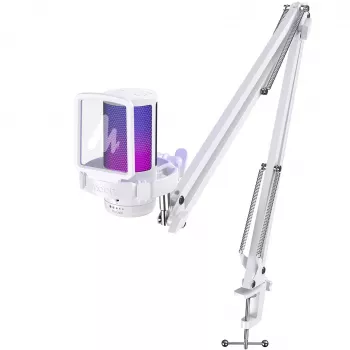
If you’re building a cohesive streaming or voice-chat setup, pairing your keyboard lighting with a compatible desktop accessory can make the whole station feel intentional. A popular add-on for clearer comms is the RGB USB Gaming Microphone with Noise Canceling & One-Touch Mute, especially if you want a one-tap way to mute quickly between rounds.
Wrist rest and posture: small change, big difference over time
Dialing in comfort is a whole-setup issue: chair height, desk height, and how far your keyboard sits from the desk edge all affect wrist angle. For practical ergonomics guidance on workstation setup, posture, and positioning, see NIOSH computer workstation recommendations. If the wrist rest is detachable, it’s also easy to remove for low-profile days, travel, or when you want a bit more room at the desk edge.
Who this keyboard suits
FAQ
Does a gasket-mounted keyboard feel noticeably different from a standard mechanical keyboard?
Yes—gasket mounting typically softens the bottom-out and reduces vibration and case “ping,” which can make the keystroke feel smoother and sound more muted. Switch type, keycaps, and stabilizer tuning still influence the final feel and tone.
Will RGB lighting drain the battery quickly in wireless mode?
RGB increases power use, so runtime will drop at higher brightness and with animated effects. Lower brightness, use a static color, enable sleep/timeout, or turn lighting off to maximize time between charges.
Is the wrist rest actually useful for gaming and typing?
It can be, especially if it supports the palm heel and helps keep wrists closer to a neutral angle on taller keyboards. Comfort depends on desk height and posture, so small position adjustments often make a big difference.













Leave a comment