Warm Mid-Calf Cow Suede Work Boots for Winter Grip
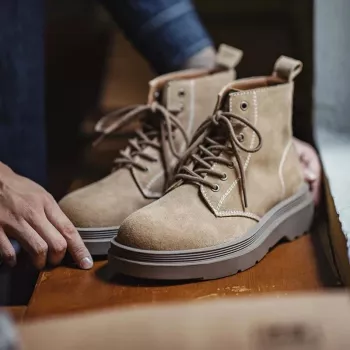
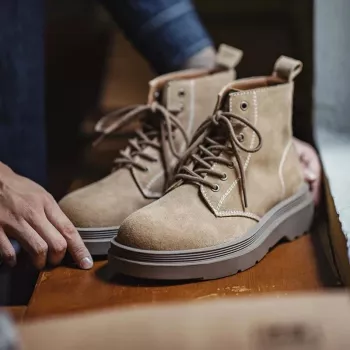
Men’s Cow Suede Work Boots Built for Cold-Weather Days
Cold-weather work days call for footwear that stays warm, grips slick ground, and holds up to daily wear. These mid-calf lace-up boots pair cow suede uppers with a warm build and a rubber sole designed for stable traction, making them a practical pick for winter commutes, outdoor tasks, and jobsite routines where comfort and footing matter.
If your schedule includes early-morning starts, walking across wet pavement, or standing on cold concrete, a mid-calf winter boot can make the difference between getting through the day comfortably and fighting numb toes by lunchtime.
What These Boots Are Built For
- Warm, winter-ready everyday wear for outdoor errands, commuting, and light-to-moderate work conditions
- Mid-calf coverage that helps block wind and cold air around the ankle and lower leg
- Lace-up closure for a more secure fit and better heel lockdown than slip-on styles
- Rubber outsole for dependable traction on wet pavement, slush, and packed snow (conditions vary by surface)
- Cow suede upper for a balance of comfort, flexibility, and rugged look
For workplaces that require protective footwear, always confirm what your site demands. OSHA notes that foot protection may be required when hazards are present, so it’s smart to match your boot choice to the conditions and any applicable rules (OSHA — Personal Protective Equipment (Foot Protection)).
Materials and Construction Highlights
- Cow suede upper: soft-to-the-touch feel with a durable surface that can be maintained with regular brushing and protective spray
- Warm interior build: designed to reduce heat loss during cold days (layering with wool or thermal socks can increase warmth)
- Mid-calf profile: added coverage helps reduce snow and debris entering from the top compared with low-cut work shoes
- Rubber sole: supports grip and flexibility for walking and standing for longer periods
- Lace-up design: allows micro-adjustments across the instep for comfort with thicker winter socks
At-a-Glance Features
| Feature | What it does | Why it matters in winter |
|---|---|---|
| Cow suede upper | Flexible, durable exterior | Comfort and wear resistance for daily use |
| Mid-calf height | Covers ankle and lower calf | Helps block wind and keeps out slush |
| Lace-up closure | Adjustable fit | Stability with layered socks |
| Rubber outsole | Traction and shock absorption | More secure footing on slick ground |
| Warm build | Helps retain heat | Improved comfort during cold shifts |
Comfort and Fit: Getting the Most Out of a Lace-Up Mid-Calf Boot
- Sock strategy: pair with midweight or heavyweight socks; avoid overly tight socks that restrict circulation in cold weather
- Lacing method: tighten from the toe upward, then slightly loosen at the instep if pressure points appear; finish with a snug ankle section for stability
- Break-in: suede typically softens with wear; start with shorter wears indoors or on dry days before long outdoor shifts
- Heel security: ensure the heel doesn’t lift excessively when walking—adjust laces or consider an insole for improved lock-in
- Toe room: keep a small amount of extra space for toes to move; cramped toes can feel colder and fatigue faster
Mid-calf lace-up boots are especially helpful when you need to fine-tune fit across the foot. If you switch between thin weekday socks and thicker weekend thermal socks, laces let you recalibrate without forcing the boot or causing pressure points.
Traction and Weather Performance
- Rubber outsole grip: helps reduce slipping on wet sidewalks and slushy parking lots; tread effectiveness depends on tread depth and surface conditions
- Cold ground comfort: rubber can help buffer impact during long stands on concrete compared with harder soles
- Snow and slush realities: no footwear is slip-proof—walk with shorter steps and keep soles clear of packed snow for better contact
- Layering for warmth: thermal socks and a moisture-wicking base layer can improve comfort if feet sweat in fluctuating temperatures
- Use boundaries: for deep snow, standing water, or heavy chemical exposure, consider specialized waterproof or safety-rated boots as needed
Cold can be a whole-body factor, not just a footwear issue. The CDC’s cold stress guidance highlights how prolonged exposure can impact comfort and performance, which is why keeping feet warm and dry matters during long outdoor stretches (CDC — Cold Stress).
Work-to-Weekend Styling and Practical Pairings
- With workwear: pairs well with jeans, canvas pants, thermal-lined trousers, and layered outerwear for a rugged winter look
- With casual outfits: mid-calf silhouette complements slim-to-straight denim and thicker socks for cold days
- Color coordination: suede textures look best when kept clean and brushed; darker pants help hide splash marks from slush
- Accessory pairing: add gaiters in heavy slush or windy conditions for extra coverage at the boot opening
Care and Maintenance for Cow Suede in Winter
In-Stock Picks
- Men’s Cow Suede Work Boots – Warm Mid-Calf Lace-Up Winter Shoes with Rubber Sole
- Women’s Genuine Leather Retro Office Pumps – 4cm Square Heel Slip-On
FAQ
Are these boots good for snow and ice?
The rubber sole helps with traction on wet pavement and slushy surfaces, but ice can still be slippery. Take shorter steps, keep the treads clear of packed snow, and consider removable ice cleats if you regularly walk on solid ice.
How should suede boots be cleaned after exposure to salt and slush?
Let them fully air-dry at room temperature first, then brush with a suede brush to lift the nap and remove salt lines. For spots, use a suede eraser or a lightly damp cloth (test a small area), and reapply suede protector spray to help guard against future moisture and stains.
What socks work best with warm mid-calf winter boots?
Moisture-wicking wool or wool-blend socks are a reliable choice for warmth and comfort. Avoid overly tight socks that restrict circulation, and adjust lacing to accommodate thicker socks without creating pressure points.














Leave a comment