448kHz RF Skin Tightening at Home: Safe Routine Guide
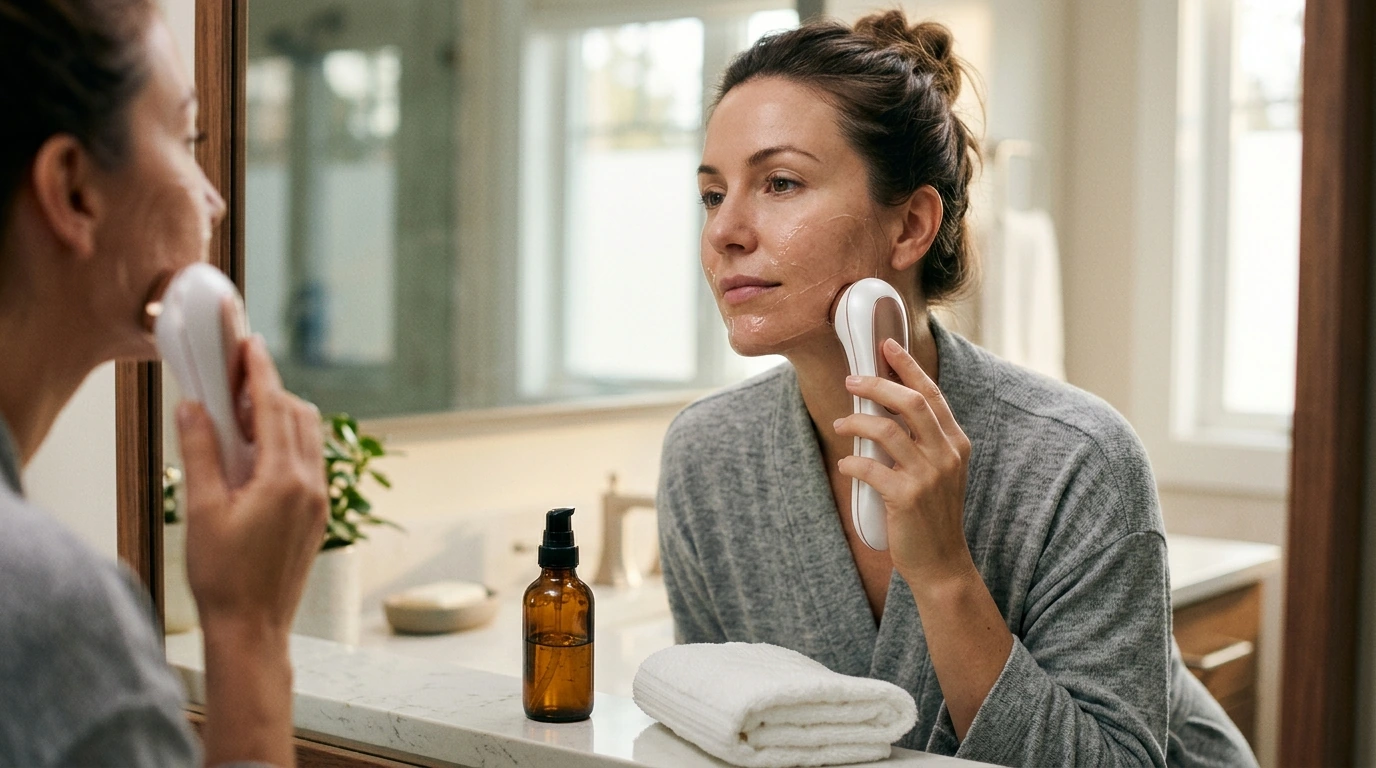
448kHz RF Skin Tightening: What It Is and How It Fits Into an At-Home Routine
Radiofrequency (RF) skincare devices are designed to deliver controlled warmth below the surface to support a firmer, smoother-looking complexion—especially in areas where skin can start to look less “snapped back,” like the jawline, cheeks, and neck. A 448kHz RF device is built for cosmetic tightening routines that prioritize steady, comfortable heating and repeatable sessions rather than aggressive, one-off treatments. For more guidance, see Effectiveness of a Radiofrequency Device for Rejuvenation of Aged ….
If topical products feel limited to surface-level hydration and glow, RF can be a helpful add-on for anyone aiming to support the look of lift and bounce over time. Like most at-home tools, the best outcomes come from realistic expectations, consistent use, and good technique. For further reading, see Radio Frequency (RF) Skin Tightening: Benefits & Dangers.
What 448kHz RF Is and Why Frequency Matters
RF devices send electromagnetic energy into the skin to create gentle warmth in targeted tissue. That warmth can support a tighter-looking appearance by encouraging the skin to look more “drawn up” and refreshed—especially when used regularly as part of a routine.
- RF warmth is the point: The goal is controlled heating that feels warm and comfortable, not painful.
- 448kHz is tuned for cosmetic routines: In practice, this frequency is commonly positioned for steady, manageable warmth suited to home sessions.
- Consistency usually beats intensity: Moderate sessions done reliably tend to outperform sporadic, high-intensity attempts—especially for sensitive facial areas.
- Conductive gel matters: Most RF devices require a water-based conductive gel to improve glide, help energy transfer, and reduce surface friction.
What It Can Help With (and What It Won’t)
At-home RF is best viewed as a gradual, routine-based approach. It can support visible improvements in how firm and smooth the skin looks, but it won’t replace surgical lifting or fully erase deep folds.
- Firmer-looking contours: Common focus areas include the jawline, cheeks, and neck.
- Softer-looking fine lines: As overall tightness and bounce improves, fine lines may look less noticeable.
- Brighter look with good basics: Pairing RF with hydration and daily sunscreen can help the complexion look less dull.
- Limits are real: Deep wrinkles and significant laxity often require in-office treatments or procedures for dramatic change.
- Not for medical conditions: Persistent irritation, rashes, or acne that won’t settle should be evaluated by a dermatologist.
For a plain-English overview of what RF tightening does and what it doesn’t, see the Cleveland Clinic’s guide to radiofrequency skin tightening.
Key Features to Look for in an At-Home RF Tightening Tool
Not all RF tools feel the same on skin. Comfort, control, and guidance features are especially important for the face and neck, where overtreatment can lead to unnecessary redness or sensitivity.
| Feature | Why it matters | What to confirm before buying/using |
|---|---|---|
| Adjustable intensity | Allows comfortable use across face/neck | At least 3 levels; start low and increase gradually |
| Consistent warmth | Helps deliver even treatment | Warm, not painful; no hot spots |
| Conductive gel use | Improves glide and energy transfer | Use water-based conductive gel; reapply as needed |
| Session guidance | Prevents overtreatment | Built-in timer or clear instructions per zone |
| Cleanable head | Reduces irritation and residue buildup | Wipe after use; avoid soaking electronics |
How to Use a 448kHz RF Device Safely at Home
Great technique is mostly about three things: clean skin, enough gel, and constant motion. If the device is warm and gliding smoothly, you’re usually in a better place than if you’re chasing maximum heat.
| Step | What to do | Time |
|---|---|---|
| Prep | Cleanse + dry skin; apply conductive gel | 2–3 min |
| Treat | Glide continuously in sections (cheeks, jawline, neck) | 8–15 min |
| Aftercare | Remove gel; moisturize; SPF if daytime | 2–3 min |
For additional everyday guidance on using skincare tools safely, the American Academy of Dermatology offers practical tips on skin care devices and tools.
Frequency of Use and a Realistic Timeline
Who Should Avoid RF and When to Ask a Professional
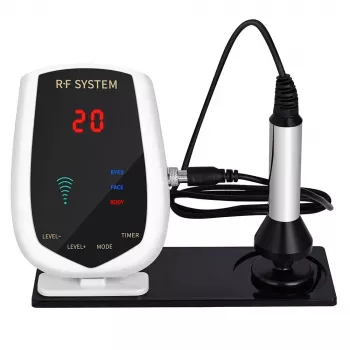
Spotlight: 448KHz RF Skin Tightening & Anti‑Wrinkle Device
If the goal is an at-home tool that supports a structured firming routine, 448KHz RF Skin Tightening & Anti‑Wrinkle Device is designed for facial and neck use with RF technology at 448kHz. With consistent sessions and a water-based conductive gel, it aims to support a tighter-looking complexion and soften the appearance of fine lines—especially when paired with gentle skincare and daily SPF.
Product snapshot
More In-Stock Picks
- RGB USB Gaming Microphone with Noise Canceling & One-Touch Mute
- Women’s Genuine Leather Retro Office Pumps – 4cm Square Heel Slip-On
FAQ
How often can an at-home RF skin tightening device be used?
Many routines start with several sessions per week for a few weeks, then shift to weekly or biweekly maintenance. Begin on the lowest setting and adjust based on comfort, and always follow the specific timing and frequency guidelines for your device.
Does RF skin tightening help with deep wrinkles?
RF can help soften the look of fine lines and improve the appearance of overall firmness, which may make wrinkles look less pronounced. Deep folds and major laxity typically won’t be fully corrected with at-home RF and may require professional, in-office options.
Do you need conductive gel for RF devices?
In most cases, yes—conductive gel improves contact, glide, comfort, and energy transfer during treatment. Use a water-based conductive gel and reapply if it starts to dry to avoid tugging or uneven heating.













Leave a comment