Luxury Small Bedroom Layout Planner: Flow, Light, Calm
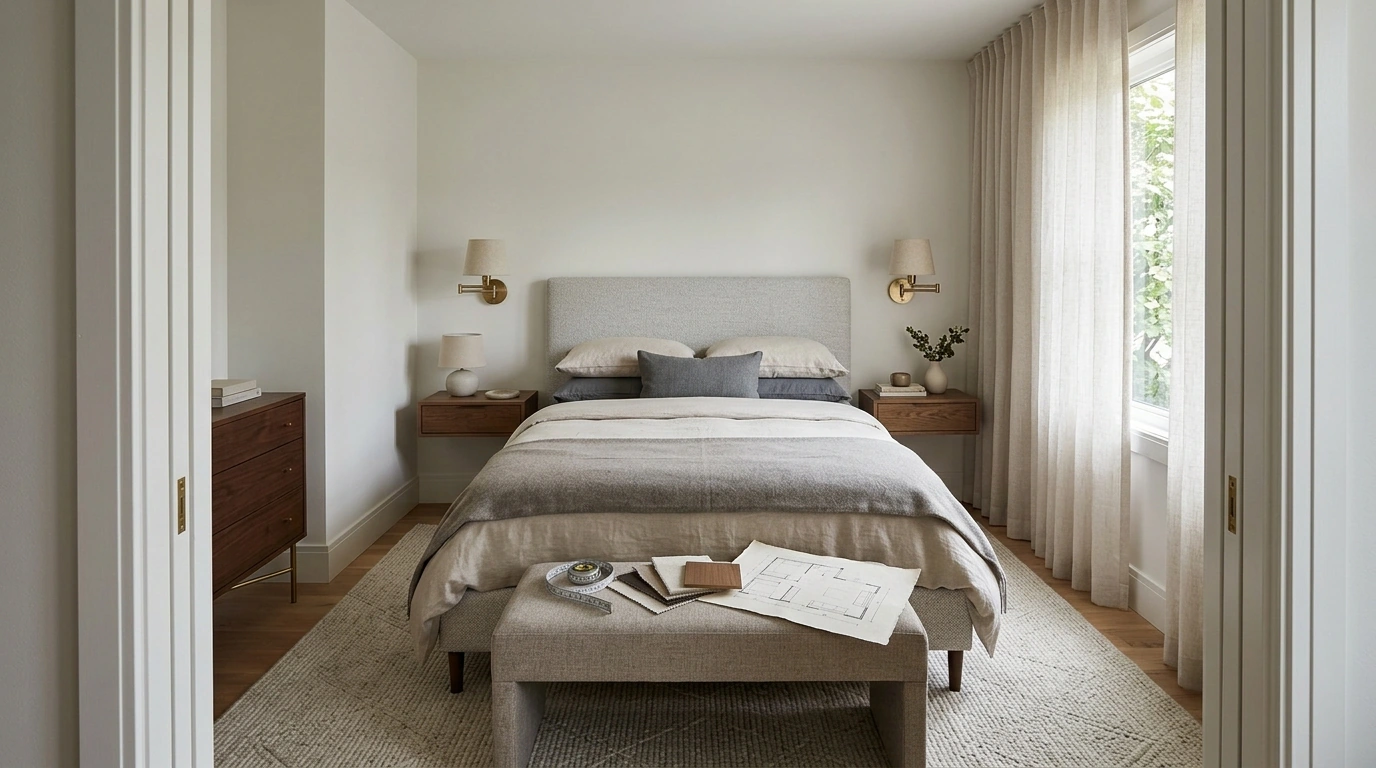
Bedroom Layout Planner Guide: Luxury Small-Bedroom Design That Feels Effortless
A luxury-feeling bedroom isn’t defined by size—it’s defined by flow, proportion, and layered comfort. When the layout works, the room feels quieter, brighter, and more “hotel” even with a small footprint. The steps below turn measurements, furniture placement, lighting, and tactile finishes into a practical plan you can execute in a weekend (and refine over time). For more guidance, see Kuranda Dog Beds® | Elevated, Chew Proof, Easy to Clean.
Start With a Room “Map”: Measurements, Constraints, and Priorities
Before choosing furniture or lighting, map the room like a mini floor plan. Measure wall-to-wall dimensions, ceiling height, window sizes, door swings, and closet clearance. Note radiators, vents, outlets, and switches—these often decide where a bed or dresser truly can go. For further reading, see The Best Orthopedic Dog Beds – Business Insider.
Next, set non-negotiables: bed size, storage needs, and whether you need a workspace or vanity. Also decide the emotional goal: brighter, calmer, or more boutique-hotel. Finally, define pathways early so you can move from door to bed to closet without squeezing past sharp corners. To keep the look intentional, choose one “hero” element—your headboard wall, the window wall, or statement lighting—and let that anchor the rest.
Clearances That Keep a Small Bedroom Feeling Effortless
| Area | Comfortable target clearance | Notes |
|---|---|---|
| Main walkway (door to bed/closet) | 24–36 in (61–91 cm) | Wider feels more luxurious; 24 in works if space is tight. |
| Each side of bed (ideal) | 24–30 in (61–76 cm) | If one side must be tighter, keep the “daily-use” side wider. |
| Foot of bed to dresser/bench | 30–36 in (76–91 cm) | Enough room to open drawers without bumping knees. |
| Closet doors/drawers clearance | 36 in (91 cm) | Prevents daily frustration; consider sliding doors if tight. |
| Nightstand depth | 14–18 in (36–46 cm) | Slim profiles reduce pinch points while still holding essentials. |
Choose the Best Bed Wall and Build the Layout Around It
The bed is your largest volume, so it should land first. In many small bedrooms, the longest uninterrupted wall is the cleanest choice because it supports symmetry and makes bedside lighting simpler. If that wall competes with a closet or door swing, shift your plan—your bed should feel “approached,” not wedged in.
For very tight rooms, two layouts tend to look the most polished:
- Centered bed + slim nightstands: creates classic balance and makes the room feel calmer at a glance.
- Slightly off-center bed + one larger nightstand: works when one side needs to stay open for circulation; pair the tight side with a wall sconce instead of a lamp.
Use visual alignment tricks to create structure: match the headboard width to your rug placement, pendant spacing, or artwork scale. When these lines “agree,” the room reads as intentionally designed, not simply arranged.
Furniture Layout That Feels Luxurious (Even When It’s Compact)
Luxury in a small bedroom often comes from editing. Start with essentials: a bed, one or two nightstands (or wall shelves), one major storage piece (dresser or wardrobe), and one optional comfort piece (bench, chair, or petite vanity).
Then swap bulky silhouettes for high-function profiles:
- Floating or leggy nightstands to open up visual floor space.
- Narrow dressers with good drawer glide and solid pulls for an “upgraded” touch.
- Wardrobes with mirrored or light-toned fronts to bounce light and reduce heaviness.
Think in zones to reduce visual noise: a sleep zone (bed + bedside lighting), a storage zone (closet/dresser), and a calm zone (bench or chair). Vertical design helps too—taller headboards, wall-mounted lamps, and higher shelving keep the room feeling airy and premium.
Layered Lighting Plan: Ambient, Task, and Glow
Lighting is where small bedrooms leap from “fine” to “finished.” Start with ambient lighting that suits your ceiling height: a flush mount for low ceilings or a small semi-flush/pendant when you have clearance. Softer diffusion and warm color temperature will feel more flattering and restful. For foundational guidance, the American Lighting Association’s residential lighting resources are a reliable reference.
Controls matter as much as fixtures. Put lights on dimmers and aim for warm bulbs around 2700–3000K. If you’re upgrading bulbs, ENERGY STAR lighting guidance can help you compare types and efficiency while still prioritizing warm, comfortable light.
Textures and Finishes That Read as “Luxury”
AI-Powered Planning: Faster Decisions Without Guesswork
A Simple Checklist to Finalize the Room
Tools to Make Planning Easier
If you want a guided, step-by-step system you can reuse for any bedroom (especially small rooms), start here: Bedroom Layout Planner Guide (digital download). It walks through measurements, layout templates, lighting layers, texture pairing, and includes an actionable checklist to reduce trial-and-error purchases.
If your bedroom also doubles as a work zone, clear audio helps you keep calls low-stress without cranking volume in a small space. A compact option like the RGB USB Gaming Microphone with Noise Canceling & One-Touch Mute can support a tidy desk/vanity setup—especially when you’re trying to keep the room calm and uncluttered.
FAQ
How do you make a small bedroom feel more luxurious without remodeling?
Prioritize flow first, then add layered lighting on dimmers, a properly sized rug, fuller curtains, and upgraded bedding. Keep a cohesive color palette and reduce visual clutter so the room feels calmer and more intentional.
Where should the bed go in a small bedroom?
Place the bed on the longest uninterrupted wall when possible, while protecting door swing and closet access. Maintain practical clearances on the daily-use side, and use slim nightstands or wall sconces when space is tight.
What lighting is best for a luxury bedroom feel?
Use three layers: soft ambient light, dedicated bedside task lighting, and warm accent glow. Aim for warm color temperature (around 2700–3000K) and dimmable controls so the room can shift from bright to relaxing.











Leave a comment