Shiatsu vs Kneading: Pressure Points or Muscle Rolling?
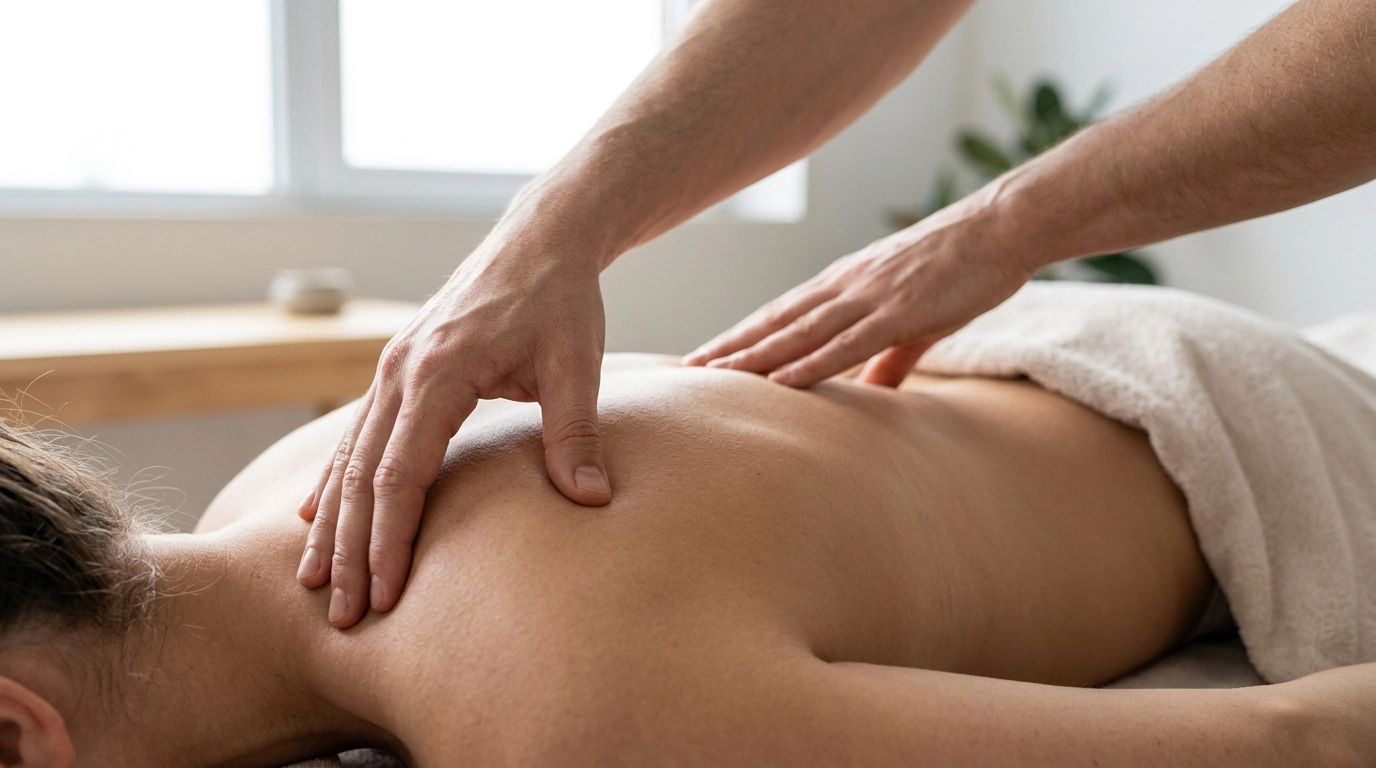
What is the difference between shiatsu and kneading?
Shiatsu: point-based pressure that follows a pattern
Shiatsu is a Japanese bodywork style built around applying firm, sustained pressure to specific points along the body. Traditional shiatsu is done with thumbs, palms, or elbows and often uses a rhythmic press-and-release pattern that “holds” pressure for a moment before moving on. The goal is less about rubbing muscle tissue and more about targeted compression that can feel like deep, focused pressure in small areas.
Kneading: muscle-focused rolling and squeezing
Kneading is a massage technique that works the soft tissue by lifting, rolling, squeezing, and compressing muscles—similar to how dough is worked. It’s typically broader and more “muscular” in feel, covering a wider area and aiming to loosen tight knots, warm the tissue, and improve pliability. In massage devices, kneading usually refers to rotating nodes or rollers that mimic hands grabbing and releasing muscle.
How massage devices use these terms
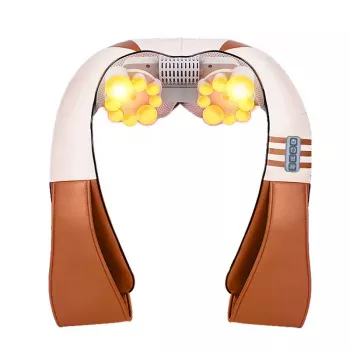
Many home massagers combine both sensations. A product may advertise “shiatsu” to describe the overall style (deep, node-based pressure), while “kneading” describes the specific motion of the massage nodes (rolling and squeezing). Some devices add features like 3D rotating nodes, direction changes, and heat to make the pressure feel more lifelike and help tight areas relax faster.
Which one should you choose?
If you prefer precise, concentrated pressure that feels like thumbs pressing into tight spots, shiatsu-style pressure is often the better match. If you want a more general, muscle-working motion that feels like hands rolling through the area, kneading is usually more comfortable for longer sessions. For a deeper look at how modern neck-and-shoulder units blend these techniques, visit this guide to infrared heated shiatsu neck and shoulder massagers with 3D kneading.
FAQ
Is shiatsu massage good for neck and shoulder tension?
It can be, because the focused pressure helps target common tight points around the trapezius and upper back. Start with a lower intensity and shorter session time if the pressure feels strong.










Leave a comment