1.8L Cool Mist Humidifier + Oil Diffuser (260 sq ft)
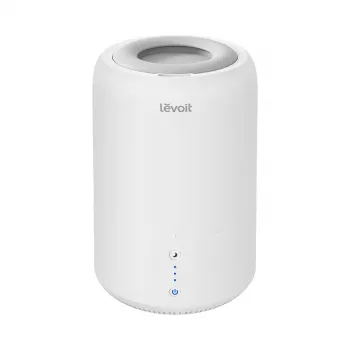
1.8L Cool Mist Humidifier with Essential Oil Diffuser for Rooms up to 260 Sq. Ft.
Dry indoor air can make a room feel uncomfortable—especially during heating or air-conditioning seasons. A compact cool mist humidifier that also supports essential oils can help add moisture for comfort while offering an optional light fragrance for relaxation. This guide explains what to expect from a 1.8L unit designed for spaces up to 260 sq. ft., how to use oils safely, and how to keep mist output consistent over time.
What this humidifier is designed to do
A small cool mist humidifier is built to improve everyday comfort in the rooms where people spend the most time—sleeping, working, and relaxing. In bedrooms, nurseries, offices, and smaller living areas, added moisture can make air feel less harsh on skin and sinuses, particularly when HVAC systems run frequently.
- Adds cool mist to help balance dry air in bedrooms, nurseries, offices, and small living spaces
- Includes an essential oil function for optional aromatherapy-style scenting (not required for normal humidifying)
- Sized for rooms up to 260 sq. ft., aiming for noticeable comfort without needing a large console unit
- A 1.8L tank capacity supports longer run times than ultra-mini travel units, reducing refill frequency
For general guidance on safe use and routine care, the EPA’s recommendations on use and care of home humidifiers are a helpful reference point.
Key features that matter day to day
On paper, many humidifiers look similar. In real homes, the difference usually comes down to tank size, mist type, placement flexibility, and how the scent feature is implemented.
- 1.8L water tank: a practical middle ground for small-to-medium rooms—large enough for extended use without taking up much surface area
- Cool mist output: generally preferred for family spaces because there’s no hot steam and less risk from accidental contact
- Essential oil diffuser capability: enables gentle fragrance dispersal when used as directed (oil should not be poured directly into the main water tank unless the product specifically states it is safe)
- Easy placement: works best on a stable, water-resistant surface, away from electronics and direct sunlight
Quick spec-style overview (at-a-glance)
| Detail | What to expect | Why it matters |
|---|---|---|
| Coverage | Up to 260 sq. ft. | Better match to bedrooms, offices, and nurseries than large open-concept spaces |
| Tank capacity | 1.8L | Fewer refills compared with smaller tanks |
| Mist type | Cool mist | Comfortable for warm rooms and generally safer around kids |
| Scent function | Essential oil diffuser feature | Optional fragrance without needing a separate diffuser |
| Best placement | Level surface, a few feet from walls | Helps prevent damp spots and improves distribution |
Room-size fit: getting the best results in up to 260 sq. ft.
Room size is one of the biggest drivers of comfort. The same mist output that feels perfect in a 140 sq. ft. bedroom could be underpowered in a larger, open space—or feel too heavy if the door stays closed for long periods in a very small room.
- In a smaller bedroom (100–200 sq. ft.), moisture levels can rise faster; start on a lower setting if available and adjust gradually
- In a near-limit room (200–260 sq. ft.), keep doors and windows closed for more consistent humidity
- In larger spaces, the unit can still add comfort nearby, but it may not raise overall humidity evenly across the entire area
- Use a basic hygrometer if possible; many comfort targets fall around the mid-range humidity levels rather than “as high as possible”
If you notice condensation on windows or the room starts feeling clammy, it’s usually a sign to reduce output or shorten run time. Mayo Clinic also highlights the importance of proper use and cleaning to avoid issues tied to excess humidity or poor maintenance (Humidifiers: Ease skin, breathing symptoms).
Using essential oils without damaging the unit
The oil feature is best treated as optional: useful when you want a subtle scent, unnecessary when you only want humidity. The safest approach is to follow the device’s oil pathway design—many models keep oils away from the main tank to reduce residue, corrosion, and performance drop-offs.
- Follow the product’s oil instructions closely; many combo units use a separate aroma pad/tray so oil doesn’t mix with the tank water
- Use a small number of drops to avoid overpowering scent and residue buildup
- Avoid thick, resinous oils (or blends that leave heavy residue) if the aroma system is pad-based—these can reduce performance over time
- If anyone in the room has asthma, allergies, or sensitivities, run the humidifier without oils first and add scent only if well tolerated
- Keep oils stored safely away from children and pets; some essential oils can be harmful if ingested or used improperly around animals
Setup and daily operation tips
Small habits make a big difference in how consistent the mist feels night after night. Start with water quality, then focus on placement and monitoring.
Cleaning and maintenance for consistent mist output
Common issues and quick fixes
Product options in stock
FAQ
Can essential oils be added directly to the water tank?
Only do this if the unit specifically says it’s safe. Many designs require oil to go on an aroma pad or tray to prevent damage and reduce residue buildup.
Is a cool mist humidifier suitable for a nursery or kids’ room?
Cool mist is commonly chosen for family spaces because there’s no hot steam. Place the unit out of reach and keep humidity in a comfortable mid-range to help avoid condensation.
How often should the humidifier be cleaned?
Rinse regularly and refresh the water daily during frequent use. Deep-clean and descale when mineral buildup appears or if any odor develops.











Leave a comment