Infrared Heated Shiatsu Neck Massager: 3D Kneading

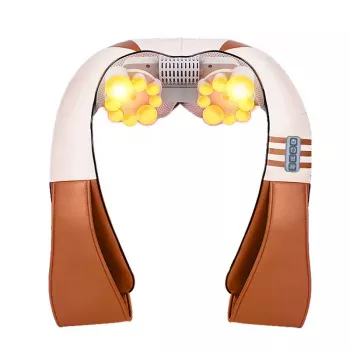
Heated Shiatsu Neck and Shoulder Massager with Infrared and 3D Kneading
Tight neck and shoulder muscles can build up from long desk hours, driving, workouts, or stress. A heated shiatsu massager with infrared warmth and 3D kneading is designed to mimic hands-on pressure, helping ease stiffness and promote relaxation at home between professional sessions. When used thoughtfully—on muscular areas and with controlled intensity—it can become a reliable part of a daily wind-down or recovery routine.
What This Massager Is Designed to Do
The goal is simple: bring consistent, repeatable relief to the spots that commonly “hold” tension.
- Targets common tension zones: neck, trapezius, upper back, and shoulders
- Uses rotating kneading nodes to simulate pressing and rolling motions
- Adds heat/infrared warmth to help muscles feel looser before and during kneading
- Supports quick, repeatable sessions for daily recovery and stress relief
Massage therapy is often associated with relaxation and stress relief, and heat can help tissues feel more comfortable and pliable during use. For general background, see Mayo Clinic’s overview of massage benefits and Cleveland Clinic’s guide to heat therapy.
Key Features That Change the Feel of a Session
Not all neck-and-shoulder massagers feel the same. Small design differences can change whether a session feels gentle and soothing or deep and knot-focused.
- 3D kneading: aims to create a more lifelike, contour-following pressure compared with flat rotation
- Infrared heating: provides gentle warmth that can feel soothing on stiff areas
- Direction changes: alternating rotation can help cover fibers from multiple angles
- Intensity control (when available): allows lighter pressure for sensitive days and deeper pressure for tight traps
- Ergonomic wrap/handle design: helps position the nodes precisely and maintain contact
| Feature | What it does | Best for |
|---|---|---|
| 3D kneading nodes | Mimics pressing/rolling with a more dimensional feel | Deep knots in traps and upper back |
| Infrared heat | Adds warmth to support relaxation and comfort | Cold, stiff muscles; wind-down routines |
| Bidirectional rotation | Switches directions to vary stimulation | Avoiding overworking one line of muscle |
| Hands-free positioning | Wrap/straps help keep the unit in place | Working while seated; longer sessions |
| Portable use | Often usable in multiple rooms or on the go (power options vary) | Home, office, travel days |
How to Use It for Neck and Shoulder Tension
Positioning matters as much as the feature list. The most comfortable results usually come from treating it like a “guided” massage—adjusting placement and pressure rather than forcing intensity.
- Start with heat on and light pressure for 2–3 minutes to warm the area
- Center the kneading nodes on the trapezius (top of shoulder) rather than directly on the throat or front of the neck
- Lean back slightly or use the handles/straps to control pressure instead of forcing the device down
- Move in small adjustments: 1–2 inches at a time to cover the full shoulder line
- Typical session: 10–15 minutes, then reassess soreness before repeating later in the day
If the pressure feels “too pointy” at first, add a thin layer—like a T-shirt or light towel—until your muscles acclimate. Many people find that the first few sessions are best kept shorter, then gradually increased as comfort improves.
Where It Can Help Beyond the Neck
While it’s shaped for the neck/shoulder area, the same kneading and heat can feel beneficial on other muscular regions—especially after repetitive activity or long periods in one posture.
- Upper back: place across the shoulder blades while seated for broad kneading coverage
- Lower back: use while seated with a thin layer (shirt or towel) if pressure feels strong
- Arms and forearms: helpful after gripping work (tools, gaming, sports) by positioning the unit along the muscle belly
- Thighs and calves: can feel restorative after long walks, standing shifts, or workouts (avoid bony areas)
For any area, aim for muscle—not joints or bones—and keep the sensation in the “good pressure” range rather than sharp or numbing.
Comfort and Safety Notes
What to Expect Over the First Week
Product Snapshot
- Heated Shiatsu Neck and Shoulder Massager with Infrared and 3D Kneading — $87.01 (In stock)
For desk setups that often contribute to shoulder elevation and neck stiffness, a better workstation experience can also help support your routine. If you’re building out a more comfortable home setup, consider pairing relaxation breaks with clear, hands-free communication tools like the RGB USB Gaming Microphone with Noise Canceling & One-Touch Mute for calls or streaming—so you’re not hunching toward a laptop mic.
| Item | Details |
|---|---|
| Product | Heated Shiatsu Neck and Shoulder Massager with Infrared and 3D Kneading |
| Price | 87.01 USD |
| Availability | In stock |
| Best for | Neck/shoulder tension, upper back tightness, relaxation routines |
FAQ
How long should a heat shiatsu neck and shoulder massage session be?
Most people do well with 10–15 minutes per area, especially once they’ve adjusted to the pressure. Start shorter at a lower intensity, and avoid repeating sessions too often if you feel sore afterward.
Is infrared heat safe for daily use on the neck and shoulders?
Infrared heat is typically gentle when used as directed, but it may not be appropriate for everyone. If you have sensitive skin, reduced sensation, or a medical condition that affects circulation or nerve feeling, use extra caution and stop if you feel burning or discomfort.
Can a shiatsu massager help with tension headaches from tight shoulders?
It may help if your discomfort is related to tight trapezius and upper back muscles by encouraging relaxation in those areas. It isn’t a solution for every headache type, so seek medical advice for severe, sudden, or frequent headaches.














Leave a comment