7.13-Gallon PVC-Reducing Water Purifier: Cleaner Taste
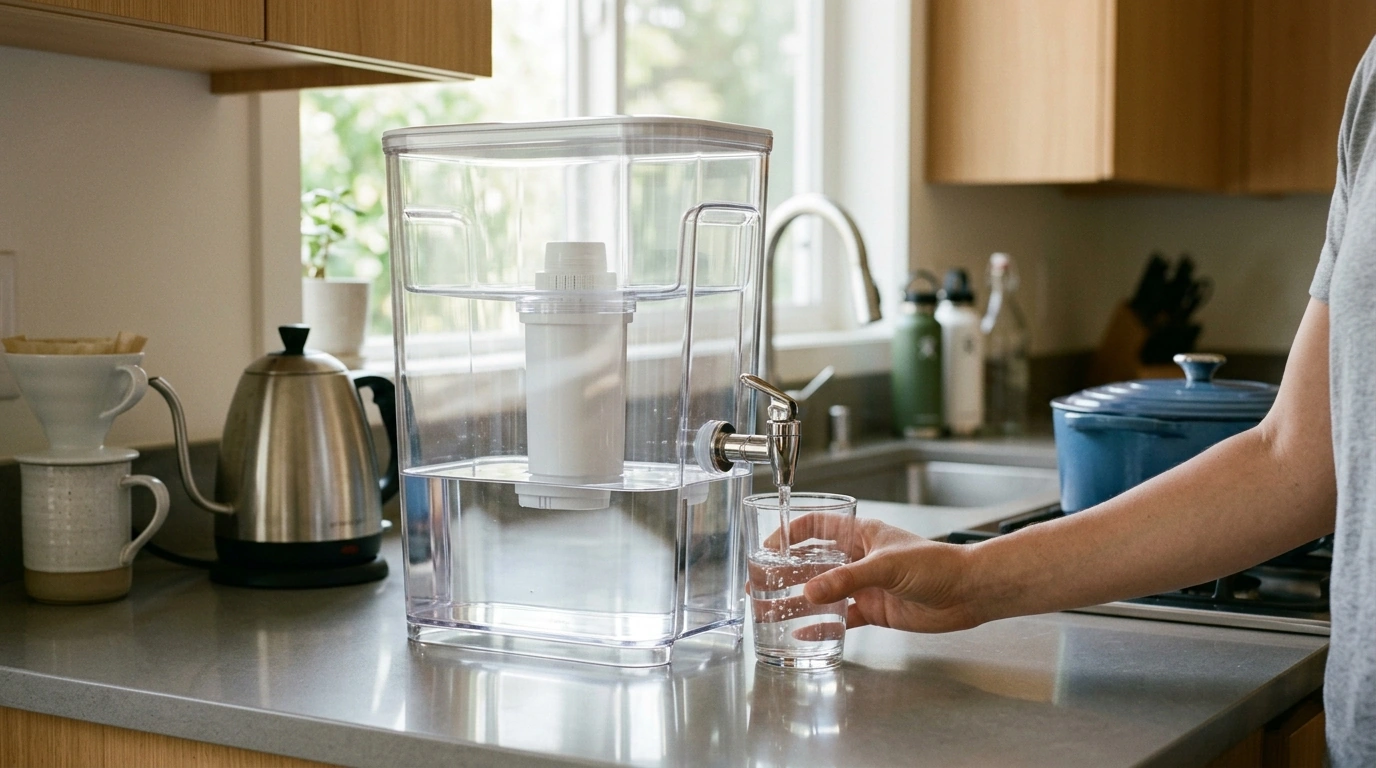
Ultra-Efficient PVC Removing Water Purifier – 7.13Gal Capacity
Clean, great-tasting water often comes down to three practical needs: removing unwanted materials, producing enough water for daily use, and keeping upkeep simple. This 7.13-gallon purifier is designed for high-capacity filtration with an emphasis on reducing PVC-related concerns and improving everyday drinking and cooking water.
Quick Overview
- 7.13-gallon capacity suited to families, offices, and frequent kettle/coffee use
- Designed to reduce PVC-related contaminants and common water quality nuisances that affect taste and odor
- Intended for users who want fewer refills than small pitchers and a more consistent supply
- Best results typically come from pairing correct setup, regular filter changes, and basic container hygiene
For shoppers comparing options, a larger-capacity countertop purifier can feel less “hands-on” than a small pitcher—fewer refills, fewer chances to leave the lid off, and a steadier supply for cooking and beverages.
What “7.13Gal Capacity” Means in Daily Use
A 7.13-gallon reservoir is built for real routines: filling bottles before work, topping off a coffee machine, making pasta, and still having water left for the rest of the day. Capacity often affects convenience more than filtration speed alone because fewer refill cycles reduce frequent handling (and the mess that can come with it).
- A larger reservoir can cover multiple daily activities: drinking water, cooking, pet bowls, and beverage prep
- Capacity impacts convenience more than filtration speed alone—fewer refill cycles reduces missed maintenance and contamination from frequent handling
- Plan placement before purchase: check counter height clearance and whether the unit will be filled via faucet, pitcher, or detachable tank
- For shared spaces, higher capacity helps reduce bottlenecks during peak hours (mornings, lunch breaks)
| Use case | What to consider | Why it matters |
|---|---|---|
| Family drinking water | Number of users and preferred bottle sizes | Reduces refill frequency during the day |
| Coffee/tea station | Distance from machine and ease of dispensing | Streamlines beverage prep and avoids taste issues |
| Cooking | Ability to fill pots and rinse produce | Improves consistency for soups, rice, and pasta |
| Office/shared kitchen | Queue times and refill responsibility | Encourages regular use and maintenance |
PVC Reduction Focus: What It Targets and Why It Matters
PVC-related concerns can involve potential leaching of vinyl chloride-related compounds or plastic-associated residues in certain contexts. A purifier positioned around PVC reduction is typically designed around adsorption and/or multi-stage filtration media to capture trace organics and improve overall water quality.
- PVC concerns can involve potential leaching of vinyl chloride-related compounds or plastic-associated residues in certain contexts
- A purifier aimed at PVC reduction is typically designed around adsorption and/or multi-stage filtration media to capture trace organics and improve overall water quality
- Results depend on source water: municipal supplies, well water, and older plumbing can present different contaminant profiles
- For confident verification, prioritize units/filters that specify what they reduce and reference recognized test methods or standards where available
For deeper background on common contaminants and treatment approaches, consult authoritative references like the U.S. EPA’s Drinking Water Contaminants page and the NSF consumer guide to water filter testing and standards.
Common water issues often addressed alongside PVC-related concerns
- Taste and odor: often noticed as chlorine smell or a chemical aftertaste
- Trace organics: can show up as off-flavors or general worry about residues
- Sediment: visible cloudiness or particles, especially after plumbing work or seasonal changes
- General improvement: more consistent “clean” taste for daily drinking and recipes
Core Features to Look For in an Ultra-Efficient Purifier
High-capacity units work best when filtration performance and day-to-day usability are balanced. The most helpful designs focus on multi-stage filtering, stable dispensing, and easy filter access so maintenance actually happens on time.
- Multi-stage filtration: improves performance across taste, odor, and a wider mix of impurities
- High-throughput design: supports faster fill/dispense cycles without sacrificing contact time with filter media
- Leak-resistant build and stable base: especially important for larger-volume units kept on counters
- Clear maintenance path: easy access to filters, intuitive replacement steps, and visible reminders or schedules
If you’re outfitting a kitchen or breakroom, it helps to decide who “owns” refills and filter changes—especially in shared spaces where everyone uses it but no one wants surprise maintenance.
Setup and Placement Tips for Best Performance
Good placement prevents the most common headaches: spills, slow refills, and water that tastes “off” because the reservoir wasn’t cleaned regularly.
For general health-based guidance on drinking-water quality, the World Health Organization’s Guidelines for Drinking-water Quality offer useful context.
Maintenance: Filters, Cleaning, and When Water Taste Changes
Who This 7.13-Gallon Purifier Fits Best
Shop In-Stock Picks
- Ultra-Efficient PVC Removing Water Purifier – 7.13Gal Capacity
- RGB USB Gaming Microphone with Noise Canceling & One-Touch Mute
- Women’s Genuine Leather Retro Office Pumps – 4cm Square Heel Slip-On
FAQ
How long does 7.13 gallons typically last for a household?
For 1–2 people using it mainly for drinking, 7.13 gallons can often last several days. In a family home, daily cooking and hot beverages can double usage, so the same capacity may last closer to a day or two depending on habits.
Does a PVC-focused water purifier also improve taste and odor?
Often, yes—media used to reduce PVC-related compounds commonly overlaps with carbon-based filtration that can also reduce chlorine taste and odor. The degree of improvement depends on your source water and what’s causing the off-taste.
What maintenance matters most to keep filtration effective?
Timely filter replacement, periodic reservoir cleaning, and proper first-use flushing make the biggest difference. Missed filter intervals and stagnant water are among the most common reasons water starts tasting unpleasant again.













Leave a comment