Kids Bikes 12–16 Inch With Training Wheels: Fit & Safety
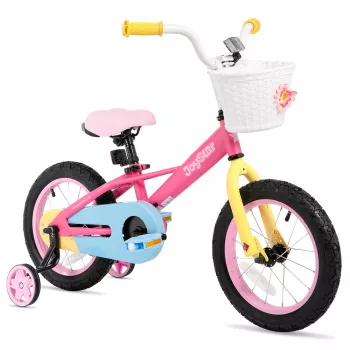
Kids Bike for Ages 3–9 (12–16 Inch) With Training Wheels: Fit, Safety, and What to Look For
A kids’ bike fits best when a child can sit comfortably, reach the handlebars without stretching, and place feet down with confidence during stops. For ages 3–9, 12–16 inch bikes with training wheels are common starter options, but the right choice depends more on height and inseam than age alone. Use the guide below to match wheel size, set up training wheels correctly, and build safe riding habits from day one.
Start With Fit: Height, Inseam, and Confidence at Stops
Wheel size is a helpful shortcut, but it’s not the whole story. Two kids the same age can have very different leg lengths, and that difference shows up immediately when they try to start, stop, and steer.
- Use wheel size as a starting point, then confirm with inseam (pants inseam is a helpful proxy).
- For beginners on training wheels, a slightly lower saddle can boost confidence and reduce tip-overs at stops.
- Handlebar reach should allow a relaxed bend in the elbows; if the child is locked out or leaning heavily, sizing or setup may be off.
- Check standover clearance: when standing over the top tube, there should be enough space to avoid contact during a quick stop.
- If between sizes, prioritize the size that allows controlled starting/stopping over “growing into it.”
Quick Fit Guide for 12–16 Inch Kids Bikes
| Wheel size | Typical age range | Typical height range | Setup notes for new riders |
|---|---|---|---|
| 12 inch | 3–5 | Approx. 36–42 in | Lower saddle; training wheels level; focus on smooth pedaling |
| 14 inch | 4–6 | Approx. 40–47 in | Slightly higher saddle as confidence grows; check brake reach |
| 16 inch | 5–9 | Approx. 42–52 in | Good for longer legs; ensure easy stops and stable starts |
What Training Wheels Should (and Shouldn’t) Do
Training wheels are a bridge to independent riding, not a permanent “stability mode.” When set correctly, they help a new rider feel safe while learning how pedaling, steering, and braking all work together.
- Training wheels are for balance support during starts and slow turns, not for high-speed riding.
- Set both training wheels at the same height and slightly above the rear tire contact point so the bike can lean a little while still catching balance.
- If training wheels are too low, the bike can rock side-to-side and feel unstable; too high can cause sudden tip-overs when a wheel lifts.
- Re-check wheel height after the first few rides, as bolts can settle and need re-tightening.
- As skills improve, raise the training wheels incrementally to encourage balance while keeping a safety net.
A practical test: on flat pavement, the bike should lean gently left or right before a training wheel touches down. If both wheels are constantly scraping, the rider won’t learn to balance the bike underneath them.
Key Safety Features to Prioritize on a Kids Bike
A good first bike makes safe choices easier. Look for components that fit smaller hands and reduce common snags (laces, cuffs, loose pant legs) that can surprise a beginner mid-ride.
- Reliable brakes: confirm the child can squeeze brake levers comfortably; short-reach levers help small hands.
- Chain guard coverage: reduces the chance of pant legs or shoelaces catching in the drivetrain.
- Stable geometry and sturdy frame: a predictable, upright riding position builds control and reduces wobbles.
- Reflectors and visibility: front, rear, and wheel reflectors are helpful, especially in neighborhoods with driveways and parked cars.
- Grippy tires: choose tread suited for sidewalks and pavement; overly aggressive knobs can feel draggy for beginners.
For additional safety guidance, the U.S. Consumer Product Safety Commission offers a helpful overview of bike-related safety considerations: CPSC Bicycle Safety.
And since helmet fit matters as much as wearing one, this quick reference is useful before the first ride: Helmet Fit Guide (Safe Kids Worldwide).
Setup Checklist: Get the First Ride Right
Even a perfectly sized kids bike can feel “off” if it isn’t adjusted. A few minutes of setup improves control, reduces fatigue, and helps a child focus on learning instead of fighting the bike.
When to Move Beyond Training Wheels
Featured Option: Kids Bike for Ages 3–9 (12–16 Inch) With Training Wheels
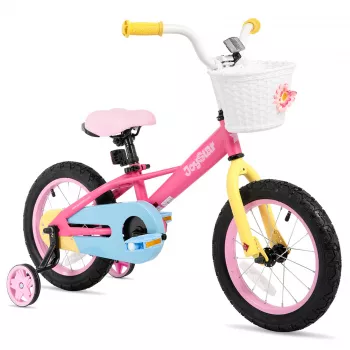
If you’re shopping for a starter bike that matches the common 12–16 inch range, Kids Bike for Ages 3-9, 12-16 Inch with Training Wheels is built for early skill-building and everyday neighborhood rides. The biggest performance boost comes from dialing in fit and setup—especially saddle height, brake reach, and training wheel height—so a new rider can start and stop without panic.
Optional add-on for outdoor family time
If bike rides are part of a bigger “get outside” plan, consider pairing weekend practice with another easy activity like Carbon Trout Fishing Combo for park trips and calm, screen-free afternoons.
FAQ
How do you know if a 12, 14, or 16 inch bike fits a child?
Use height and inseam first, then confirm the child can reach the handlebars with relaxed elbows and stop confidently. For beginners (especially with training wheels), being able to put feet down quickly at stops matters more than “growing into” the next size.
How high should training wheels be set?
Set both training wheels evenly and slightly above the rear tire’s contact point so the bike can lean a little before a wheel catches. If the bike constantly rocks, they’re too low; if the bike tips suddenly when one lifts, they’re too high—recheck and retighten after the first few rides.
When should training wheels be removed?
Remove them when the child pedals steadily, starts smoothly, brakes with control, and turns with fewer abrupt corrections. A gradual approach works best: raise the training wheels first, practice gliding/coasting, then remove them once they rarely touch down.













Leave a comment