24V XXL Kids Ride-On ATV: 4WD, Suspension & Speed Tips
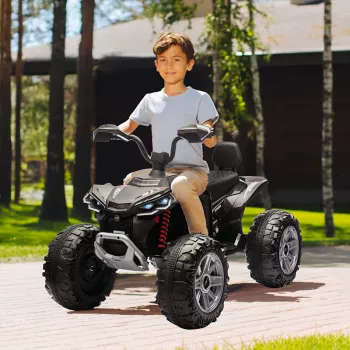
24V XXL Kids Electric Ride-On ATV with Suspension, 4-Wheel Drive & High Speed
A 24V, 4-wheel-drive ride-on ATV is built for kids who want a more capable backyard vehicle—stronger traction, steadier handling, and a smoother ride over grass, gravel, and uneven pavement. The goal is simple: keep rides fun and predictable by focusing on comfort from suspension, control at higher speeds, realistic battery/runtime expectations, and the safety checks that matter before the first lap.
What Makes This 24V XXL ATV Different
Not all kids’ ride-on ATVs feel the same once they leave perfectly smooth pavement. A 24V XXL model is designed to feel more confident on real-life family surfaces: driveways, sidewalks with cracks, and backyards that aren’t perfectly flat.
- 24V power supports stronger acceleration than many 12V options, especially when rolling through grass or climbing gentle slopes.
- XXL sizing typically gives older/taller kids more legroom and a steadier stance, helping the vehicle feel less “tippy” during turns.
- 4-wheel drive (4WD) aims to keep power and grip more consistent as terrain changes from smooth pavement to yard surfaces.
- Suspension helps reduce bumps and vibration, improving comfort and maintaining control during longer play sessions.
If you’re shopping for this category specifically, start with the product page for the 24V XXL Kids Electric Ride-On ATV with Suspension, 4-Wheel Drive & High Speed.
Suspension: Comfort, Control, and Confidence
Suspension can be the difference between a ride-on that’s “fun for five minutes” and one that’s genuinely enjoyable for an entire battery session. It’s not only about comfort—suspension also affects how well the wheels stay planted, which influences steering and braking feel.
- Less jarring over mixed surfaces: Suspension can reduce jolts over cracks, roots, and small rocks—especially helpful for kids who ride on pavement and then cut across the yard.
- More predictable steering: When wheels maintain better contact with the ground, the ATV can track straighter and feel more controllable.
- Watch for “bounce”: A good setup rebounds consistently instead of pogo-sticking after bumps, supporting steadier braking and smoother cornering.
- Gear still matters: Pair suspension with a well-fitting helmet and closed-toe shoes to help reduce common bumps and scrapes.
For general helmet and riding-safety principles that translate well to ride-on vehicles, the American Academy of Pediatrics offers practical guidance at HealthyChildren.org.
4-Wheel Drive: When It Helps (and When It Doesn’t)
4WD is most valuable when surfaces change frequently—like a driveway that transitions into grass—or when a single drive wheel would otherwise spin during starts. That said, 4WD is traction support, not a free pass to tackle risky areas.
- Where it helps: Grass, packed dirt, and light gravel—places where 2WD can lose grip, especially on starts or turns.
- More stable feel: Sharing power across more wheels can feel smoother during acceleration and less “skittery” when traction varies.
- Where it doesn’t help enough: Avoid mud, wet grass, steep grades, loose sand, and any public road environment.
- Best setup: Dry, even terrain with plenty of run-off space so kids can slow down without panic stopping.
High Speed: Setting Limits for Age and Experience
“High speed” is exciting, but it also increases stopping distance and widens turning radius. The safest approach is to treat speed as a skill progression rather than a default setting.
- Start slow: Begin at the lowest speed setting (if available) and move up only after consistent steering and braking control.
- Build a riding zone: Use clear boundary markers, keep the ATV away from driveways/streets, and avoid tight obstacle courses that force sudden turns.
- No passengers unless rated: Extra riders change balance, steering response, and stopping distance.
- Practice stops first: Before free riding, have kids do controlled “go-stop-go” drills to learn how the ATV reacts.
For broader injury-prevention perspective and riding safety awareness, you can also review data and guidance from the U.S. Consumer Product Safety Commission at CPSC.gov.
Battery, Runtime, and Charging Habits
Charging habits make a noticeable difference over months of use. Regular top-offs and indoor storage in moderate temperatures help preserve battery health and keep performance consistent from season to season. For battery safety best practices (including charging and storage reminders), see the NFPA’s lithium-ion safety tips at NFPA.org.
Quick checklist for better battery performance
| Habit | Why it helps |
|---|---|
| Charge after use | Reduces time spent at very low battery levels |
| Avoid long storage at 0% or 100% | Helps maintain battery capacity over time |
| Ride on dry, firm ground when possible | Reduces motor load and extends runtime |
| Keep tires clean and free of debris | Improves traction and reduces drag |
Fit and Comfort: Getting the Size Right
Safety Setup Before the First Ride
Who This Style of Ride-On ATV Suits Best
More In-Stock Finds
- RGB USB Gaming Microphone with Noise Canceling & One-Touch Mute
- Women’s Genuine Leather Retro Office Pumps – 4cm Square Heel Slip-On
- Carbon Trout Fishing Combo
FAQ
Is a 24V ride-on ATV too fast for younger kids?
It depends on the ATV’s speed settings, the child’s coordination, and how closely riding is supervised. Start on the lowest speed, practice stopping and turning drills, and use a helmet and closed-toe shoes every ride.
Does 4-wheel drive make it safe to ride on hills or wet grass?
No—4WD can improve traction, but it doesn’t eliminate slipping or tipping risks. Avoid wet grass, loose terrain, steep grades, and any area near roads or driveways.
How long does a 24V battery typically last on a kids ride-on ATV?
Runtime varies widely with rider weight, terrain, speed, and battery age, but many families see anywhere from about 45 to 90 minutes under typical conditions. Charging after ride days and storing the ATV indoors in moderate temperatures can help maintain better runtime over time.













Leave a comment